Introduction
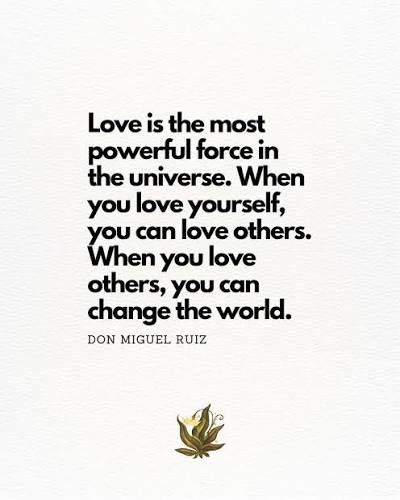
Love is one of the most powerful emotions humans experience. It brings people together, creates meaningful relationships, and inspires acts of kindness, sacrifice, and compassion. Love exists in many forms—between family members, friends, partners, and even toward humanity and nature. It has the power to heal emotional wounds, strengthen communities, and make life more meaningful. Throughout history, love has inspired great works of art, literature, music, and acts of courage.
What Is Love?
Love is a deep feeling of care, affection, respect, and commitment toward someone or something. It goes beyond words and is expressed through actions, understanding, trust, and support. True love is not based only on emotions but also on patience, honesty, and mutual respect.
Different Types of Love
1. Family Love
Family love is often the first form of love people experience. Parents, siblings, and relatives provide care, protection, and emotional support that help shape a person’s character and values.
2. Friendship
True friends stand by each other during both happy and difficult times. Friendship is built on trust, loyalty, understanding, and shared experiences.
3. Romantic Love
Romantic love develops between partners who share affection, commitment, and mutual respect. Healthy relationships are built on communication, honesty, trust, and emotional support.
4. Self-Love
Self-love means respecting and valuing yourself. It involves taking care of your physical, mental, and emotional well-being while recognizing your strengths and accepting your imperfections.
5. Love for Humanity
Many people dedicate their lives to helping others through charity, volunteering, education, healthcare, and social work. This form of love promotes compassion and creates positive change in society.
Benefits of Love
1. Improves Mental Health
Love provides emotional security and reduces feelings of loneliness, anxiety, and stress. Strong relationships contribute to greater happiness and life satisfaction.
2. Strengthens Physical Health
Research suggests that supportive relationships can encourage healthier lifestyles, reduce stress, and improve overall well-being.
3. Builds Strong Relationships
Love encourages trust, understanding, forgiveness, and effective communication, helping people create lasting and meaningful connections.
4. Encourages Personal Growth
Healthy relationships motivate people to become kinder, more responsible, and more understanding. Love often inspires individuals to improve themselves for the benefit of those they care about.
5. Creates Strong Communities
Acts of love and kindness strengthen families, neighborhoods, and societies. Compassionate communities are more supportive, peaceful, and resilient.
Qualities of True Love
True love is based on:
- Trust
- Honesty
- Respect
- Loyalty
- Patience
- Forgiveness
- Kindness
- Understanding
- Support
- Commitment
These qualities help relationships remain strong through life’s challenges.
Challenges in Love
Every relationship faces difficulties. Misunderstandings, lack of communication, jealousy, unrealistic expectations, or life pressures can create conflicts. Healthy relationships grow stronger when both people communicate openly, listen carefully, respect each other’s feelings, and work together to solve problems.
How to Nurture Love
- Communicate honestly and openly.
- Show appreciation regularly.
- Spend quality time together.
- Listen with empathy.
- Respect differences and boundaries.
- Support each other’s dreams and goals.
- Practice forgiveness when mistakes happen.
- Be patient and understanding.
Conclusion
Love is a powerful force that enriches every aspect of life. It strengthens relationships, promotes happiness, encourages personal growth, and builds compassionate communities. Whether expressed through family, friendship, romance, or acts of kindness, love has the ability to transform lives and inspire hope. By practicing respect, honesty, empathy, and care, we can create stronger relationships and contribute to a more peaceful and caring world.