Introduction
Food security means that all people have reliable access to enough safe, nutritious, and affordable food to lead healthy and active lives. Although global food production has increased significantly over the years, millions of people still experience hunger and malnutrition. Population growth, climate change, economic instability, and supply chain disruptions continue to challenge global food security, making it one of the world’s most pressing issues.
Understanding Food Security
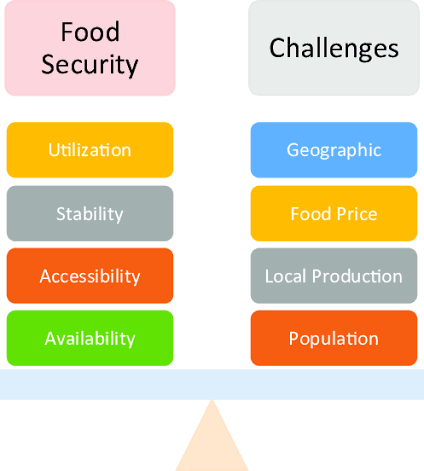
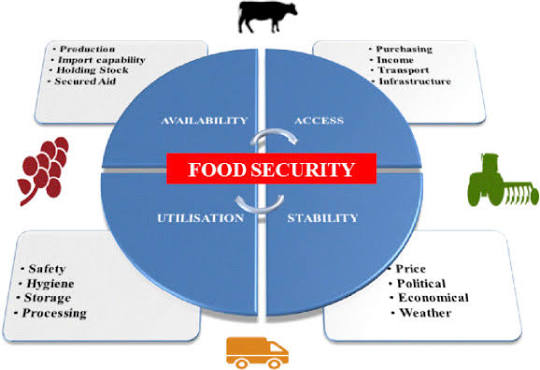
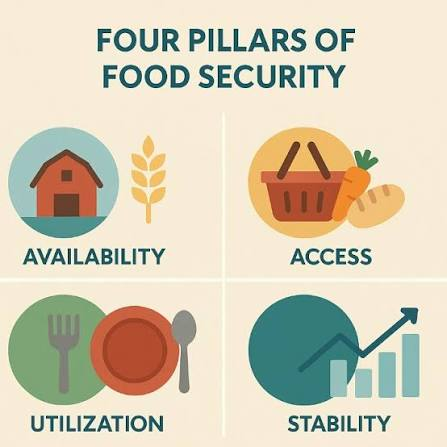
Food security is built on four key pillars:
- Availability: Producing enough food to meet demand.
- Access: Ensuring people can afford and obtain food.
- Utilization: Providing nutritious and safe food that supports good health.
- Stability: Maintaining consistent food supplies despite crises or changing conditions.
When any of these pillars is weakened, food insecurity can increase.
Population Growth and Rising Demand
The world’s population continues to grow, increasing the demand for food, water, and agricultural resources. Farmers must produce more food while using land and water sustainably. This requires innovation, efficient farming techniques, and investment in agricultural research.
Climate Change
Climate change has become one of the greatest threats to food security. Rising temperatures, prolonged droughts, floods, storms, and changing rainfall patterns reduce crop yields and affect livestock production. These environmental changes make farming more difficult and increase the risk of food shortages in vulnerable regions.
Adopting climate-smart agriculture and improving water management can help reduce these risks.
Supply Chain Disruptions
Food travels through complex supply chains before reaching consumers. Transportation problems, natural disasters, economic crises, and conflicts can interrupt these supply chains, leading to shortages and higher food prices.
Strengthening logistics, improving storage facilities, and investing in resilient infrastructure can reduce disruptions.
Food Waste
A significant amount of food is lost or wasted every year during production, transportation, retail, and household consumption. Reducing food waste can improve food availability, lower environmental impacts, and help feed more people without increasing agricultural production.
Consumers, businesses, and governments all have a role in minimizing waste.
Water Scarcity
Agriculture depends heavily on clean water. Many regions face water shortages due to overuse, pollution, and changing weather patterns. Efficient irrigation systems, rainwater harvesting, and sustainable water management practices are essential for ensuring long-term food production.
Technology and Innovation
Modern technology is helping farmers increase productivity while protecting natural resources. Innovations include:
- Precision agriculture.
- Smart irrigation systems.
- Drought-resistant crop varieties.
- Agricultural drones.
- Satellite monitoring.
- Artificial intelligence for crop management.
These technologies improve efficiency and support sustainable farming.
Supporting Small-Scale Farmers
Small-scale farmers produce a large share of the world’s food, particularly in developing countries. Providing access to education, financing, modern equipment, quality seeds, and markets can significantly improve agricultural productivity and rural livelihoods.
International Cooperation
Global food security requires cooperation among governments, international organizations, researchers, businesses, and local communities. Sharing agricultural knowledge, investing in research, supporting emergency food assistance, and promoting sustainable trade help strengthen global food systems.
Looking Ahead
Future food security depends on balancing increased food production with environmental sustainability. Renewable energy, improved farming methods, responsible water use, and technological innovation will all contribute to more resilient agricultural systems.
Conclusion
Global food security is essential for health, economic development, and social stability. While climate change, population growth, food waste, and supply chain disruptions present significant challenges, innovation, sustainable agriculture, and international collaboration offer practical solutions. By investing in resilient food systems today, the world can move closer to ensuring that everyone has access to safe, nutritious, and affordable food in the years ahead.