Introduction
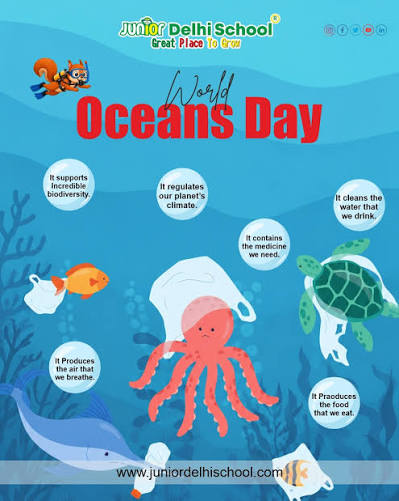
The world’s oceans cover more than 70% of Earth’s surface and are essential for sustaining life. They regulate the climate, produce over half of the oxygen we breathe, provide food and livelihoods for billions of people, and support an incredible diversity of marine life. Despite their importance, oceans face increasing threats from pollution, climate change, overfishing, and habitat destruction. Ocean conservation efforts aim to protect these valuable ecosystems and ensure they remain healthy for future generations.
Why Ocean Conservation Matters
Healthy oceans are vital to both the environment and the global economy. They absorb large amounts of carbon dioxide, helping to slow climate change, and play a key role in regulating weather patterns. Oceans also support industries such as fishing, tourism, and shipping, contributing trillions of dollars to the global economy each year.
Protecting marine ecosystems helps preserve biodiversity, maintain food security, and safeguard coastal communities from storms and erosion.
Major Threats to the Oceans
Several human activities are placing immense pressure on marine ecosystems:
- Plastic Pollution: Millions of tons of plastic enter the oceans every year, harming marine animals through ingestion and entanglement.
- Climate Change: Rising ocean temperatures and increased carbon dioxide levels contribute to coral bleaching and ocean acidification.
- Overfishing: Unsustainable fishing practices reduce fish populations and disrupt marine food chains.
- Oil Spills and Chemical Pollution: Industrial waste, agricultural runoff, and oil spills contaminate marine habitats.
- Habitat Destruction: Coastal development and destructive fishing methods damage coral reefs, mangroves, and seagrass beds.
Global Ocean Conservation Efforts
Governments, scientists, environmental organizations, and local communities are working together to protect marine ecosystems through various initiatives.
1. Marine Protected Areas
Marine Protected Areas (MPAs) are designated regions where human activities are regulated to protect marine biodiversity. These areas allow fish populations to recover and preserve critical habitats for endangered species.
2. Reducing Plastic Waste
Many countries are introducing bans on single-use plastics, promoting recycling programs, and encouraging the use of sustainable alternatives. Public awareness campaigns also inspire individuals to reduce plastic consumption and dispose of waste responsibly.
3. Sustainable Fishing Practices
Governments and fisheries are adopting science-based fishing quotas, monitoring fish stocks, and promoting selective fishing gear to reduce accidental catches of non-target species.
4. Coral Reef Restoration
Scientists are developing innovative methods to restore damaged coral reefs by cultivating resilient coral species and transplanting them into degraded areas.
5. International Cooperation
Ocean conservation requires global collaboration because marine ecosystems cross national boundaries. International agreements help combat illegal fishing, reduce marine pollution, and protect endangered species.
The Role of Technology
Modern technology is improving ocean conservation efforts through:
- Satellite monitoring of illegal fishing.
- Underwater drones for marine research.
- Artificial intelligence for tracking marine wildlife.
- Advanced water-quality monitoring systems.
- Digital mapping of coral reefs and seabeds.
These innovations provide valuable data for scientists and policymakers.
How Individuals Can Help
Everyone can contribute to protecting the oceans by:
- Reducing single-use plastics.
- Recycling waste properly.
- Supporting sustainable seafood choices.
- Conserving water.
- Participating in beach clean-up events.
- Educating others about marine conservation.
- Supporting organizations dedicated to protecting ocean ecosystems.
Small daily actions can collectively make a significant difference.
Looking Toward the Future
As awareness grows, governments and communities are investing more in sustainable marine management. Advances in renewable energy, cleaner shipping technologies, and international cooperation provide hope for healthier oceans.
Continued research, education, and responsible environmental policies will play an essential role in protecting marine life for generations to come.
Conclusion
Ocean conservation is essential for the health of our planet and humanity. By addressing pollution, promoting sustainable fishing, protecting marine habitats, and encouraging international cooperation, we can preserve the oceans’ incredible biodiversity and resources. Every individual, community, and nation has a role to play in safeguarding our blue planet for future generations.