The fifth generation of wireless technology, commonly known as 5G, is transforming the way people communicate, work, and access information. Offering significantly faster speeds, lower latency, and greater network capacity than previous generations, 5G is paving the way for a more connected world. As countries continue expanding their 5G infrastructure, businesses, governments, and individuals are discovering new opportunities that were once considered impossible.
What Is 5G?
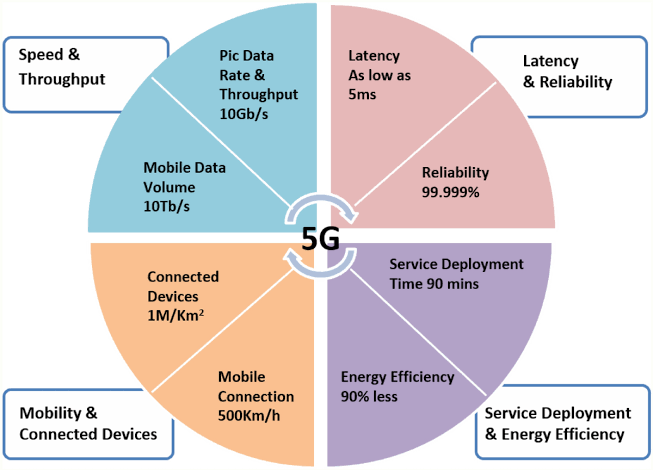
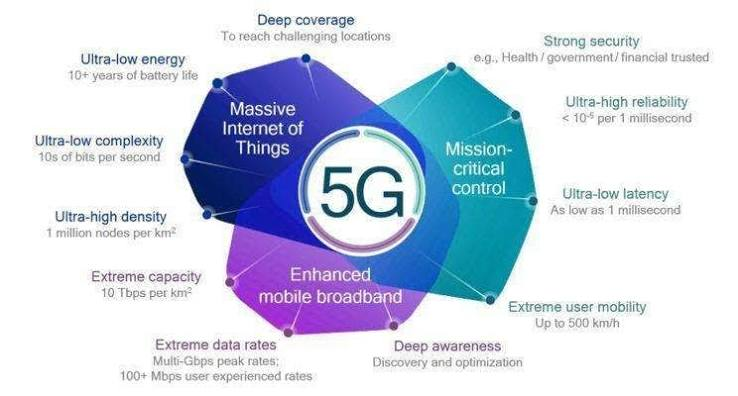
5G is the latest generation of mobile network technology designed to deliver faster internet connections and support a massive number of connected devices. Compared to 4G, 5G can provide download speeds that are many times faster while reducing delays in data transmission to just a few milliseconds.
Faster and More Reliable Communication
One of the greatest advantages of 5G is its ability to enable instant communication. High-quality video calls, live streaming, and large file transfers become smoother and more reliable. This is especially valuable for businesses that rely on virtual meetings and global collaboration.
Transforming Businesses
Companies across industries are using 5G to improve productivity and efficiency. Manufacturing plants can connect smart machines in real time, logistics companies can track shipments more accurately, and retailers can offer enhanced digital shopping experiences. Remote work also becomes more efficient with stable, high-speed internet access.
Revolutionizing Healthcare
Healthcare providers are benefiting from 5G through telemedicine, remote patient monitoring, and faster sharing of medical data. Doctors can conduct virtual consultations with higher-quality video, while hospitals can connect advanced medical devices more effectively. In the future, ultra-low latency may even support remote robotic surgeries in specialized situations.
Advancing Education
Education is becoming more accessible through 5G technology. Students can participate in virtual classrooms, access cloud-based learning platforms, and experience interactive lessons using augmented and virtual reality. This helps bridge educational gaps, especially in remote areas with reliable network coverage.
Supporting Smart Cities
5G is a key technology for building smart cities. It enables intelligent traffic management, connected public transportation, energy-efficient infrastructure, and improved public safety systems. Sensors connected through 5G can monitor environmental conditions and help city officials respond quickly to changing situations.
Enhancing Entertainment
The entertainment industry is also experiencing major changes. Faster internet speeds allow seamless streaming of high-definition and 4K content, cloud gaming with minimal lag, and immersive virtual reality experiences. Content creators can upload and share media more efficiently than ever before.
Challenges of 5G
Despite its many advantages, 5G faces several challenges. Building the required infrastructure is expensive, and coverage is still expanding in many regions. Concerns about cybersecurity, data privacy, and equal access must also be addressed to ensure the technology benefits everyone.
The Future of Global Communication
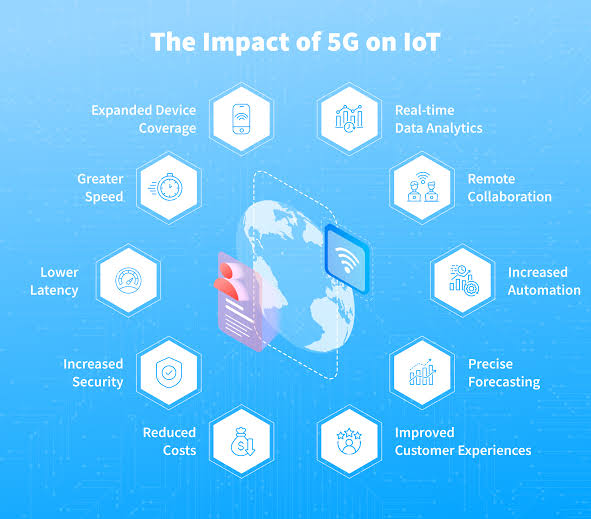
As 5G networks continue to grow, they will become the foundation for future innovations such as autonomous vehicles, smart factories, and the Internet of Things (IoT). The technology is expected to reshape communication, improve economic growth, and create new opportunities across every sector of society.
Conclusion
5G is more than just faster mobile internet—it represents a major leap forward in global communication. By connecting people, businesses, and devices with unprecedented speed and reliability, 5G is helping build a smarter, more efficient, and more connected world. While challenges remain, its long-term impact on society is expected to be transformative.