Introduction
Modern life is filled with constant demands, from work and education to family responsibilities and digital connectivity. While technology has made life more convenient, it has also created a fast-paced environment that can increase stress levels. Managing stress effectively is essential for maintaining physical health, mental well-being, and overall quality of life. Learning healthy coping strategies allows individuals to remain productive while enjoying a balanced and fulfilling lifestyle.
Understanding Stress
Stress is the body’s natural response to challenges or difficult situations. A small amount of stress can improve focus and motivation, but prolonged or excessive stress may negatively affect both physical and mental health. Common causes include heavy workloads, financial concerns, relationship issues, academic pressure, and information overload through digital devices.
If left unmanaged, chronic stress can contribute to anxiety, depression, high blood pressure, sleep disorders, and weakened immunity.
The Effects of Stress
Stress affects every aspect of life. Physically, it may cause headaches, fatigue, muscle tension, digestive problems, and sleep disturbances. Emotionally, people may experience irritability, sadness, frustration, or feelings of being overwhelmed.
Stress can also reduce productivity by making it difficult to concentrate, make decisions, or maintain motivation. Healthy relationships may suffer when stress leads to poor communication or emotional exhaustion.
Effective Ways to Manage Stress
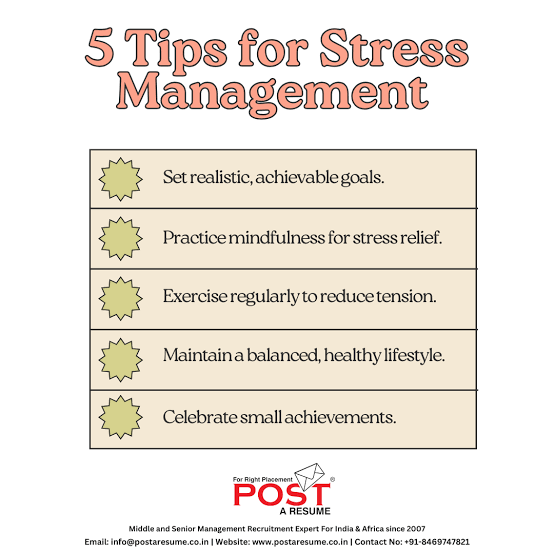
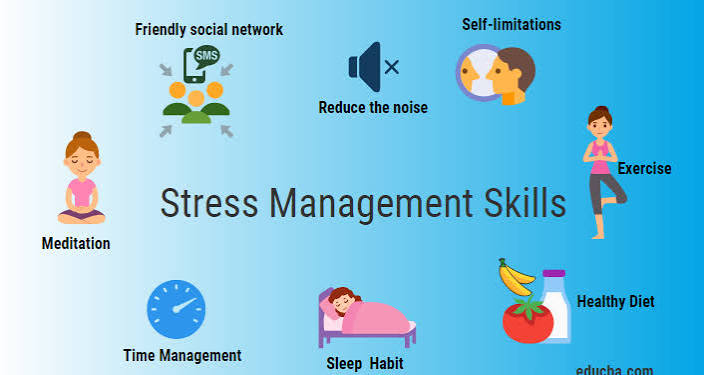
One of the best ways to reduce stress is through effective time management. Planning daily activities, setting realistic goals, and taking regular breaks can prevent burnout and improve productivity.
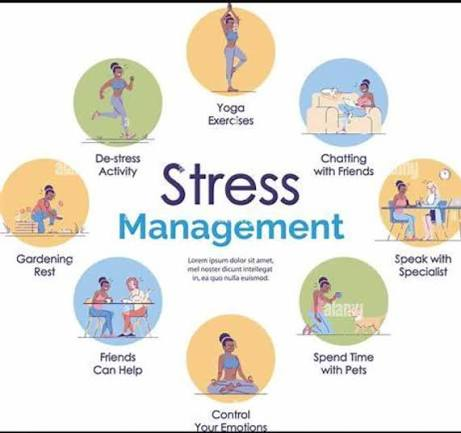
Regular physical exercise is another powerful stress reliever. Activities such as walking, jogging, cycling, yoga, and stretching help release endorphins, which naturally improve mood and reduce tension.
Maintaining a healthy lifestyle through balanced nutrition, adequate sleep, and proper hydration strengthens the body’s ability to cope with stress. Limiting excessive screen time and spending time outdoors can also refresh the mind.
Mindfulness, meditation, and deep breathing exercises help calm the nervous system and improve emotional resilience. Talking to trusted friends, family members, or mental health professionals provides valuable emotional support during difficult times.
Building Long-Term Resilience
Developing resilience helps individuals recover more quickly from challenges. Practicing gratitude, maintaining a positive mindset, learning from setbacks, and focusing on personal growth strengthen emotional well-being. Building strong social connections and participating in enjoyable hobbies also improve life satisfaction.
Conclusion
Stress is an unavoidable part of modern life, but it does not have to control our well-being. By adopting healthy habits, managing time effectively, and seeking support when needed, individuals can reduce stress and improve both their physical and mental health. A balanced lifestyle not only enhances productivity but also leads to greater happiness and long-term success.