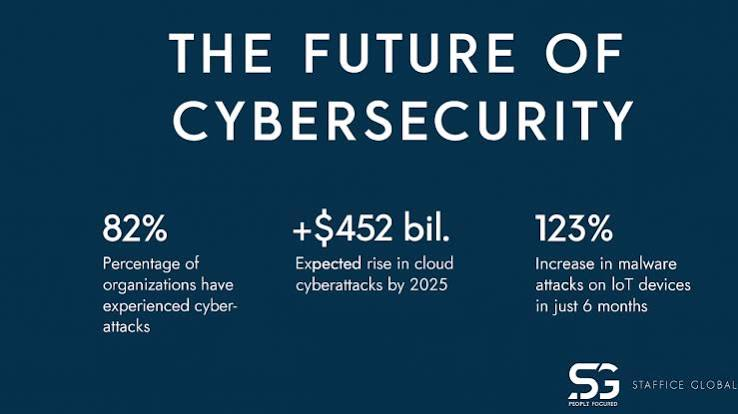
Introduction
As the world becomes increasingly connected through the internet, cloud computing, smart devices, and artificial intelligence, cybersecurity has become more important than ever. Individuals, businesses, governments, and educational institutions rely on digital technologies for communication, banking, healthcare, education, and commerce. While these innovations bring convenience and efficiency, they also create new opportunities for cybercriminals. The future of cybersecurity will depend on advanced technologies, international cooperation, and increased public awareness to protect digital systems and personal information.
The Growing Importance of Cybersecurity
Every day, billions of people use online services to manage their personal and professional lives. This growing dependence on digital technology makes cybersecurity essential for protecting sensitive information from cyber threats such as hacking, ransomware, phishing, identity theft, and data breaches.
As more devices become connected through the Internet of Things (IoT), the number of potential security risks also increases. Smart homes, connected vehicles, wearable devices, and industrial systems all require strong cybersecurity measures to ensure safe operation.
Emerging Technologies in Cybersecurity
Artificial intelligence and machine learning are transforming cybersecurity by detecting unusual activities and responding to threats in real time. These technologies can analyze large amounts of data, identify suspicious behavior, and stop cyberattacks before they cause significant damage.
Cloud security is also becoming increasingly important as organizations move their data and applications to cloud platforms. Advanced encryption, multi-factor authentication, and zero-trust security models help protect digital assets from unauthorized access.
Blockchain technology is another innovation that may improve cybersecurity by creating secure, transparent, and tamper-resistant digital records.
Challenges Ahead
Cybercriminals continue to develop more sophisticated attack methods, making cybersecurity an ongoing challenge. Ransomware attacks, social engineering, deepfake technology, and attacks powered by artificial intelligence require organizations to constantly update their security strategies.
The shortage of skilled cybersecurity professionals also presents a major challenge. Governments, universities, and private organizations must invest in education and training to prepare the next generation of cybersecurity experts.
Building a Safer Digital Future
Strong cybersecurity requires collaboration among governments, technology companies, businesses, educational institutions, and individuals. Organizations should regularly update software, train employees, implement strong password policies, and conduct security audits.
Individuals can protect themselves by using unique passwords, enabling two-factor authentication, avoiding suspicious links, and keeping their devices updated with the latest security patches.
Conclusion
The future of cybersecurity will play a vital role in protecting our increasingly connected world. As technology continues to evolve, investing in advanced security solutions, digital education, and international cooperation will be essential for creating a safer online environment. Cybersecurity is not only a technical responsibility but also a shared commitment that benefits everyone.