Introduction
Conflict is a natural part of organizational life. It occurs when individuals or groups have different opinions, interests, goals, or values. In any workplace, employees interact with people from diverse backgrounds, which can sometimes lead to misunderstandings and disagreements. While conflict is often viewed negatively, it can also create opportunities for growth, innovation, and improved decision-making when managed effectively. Therefore, conflict management is an essential skill for organizational success.
Understanding Conflict Management
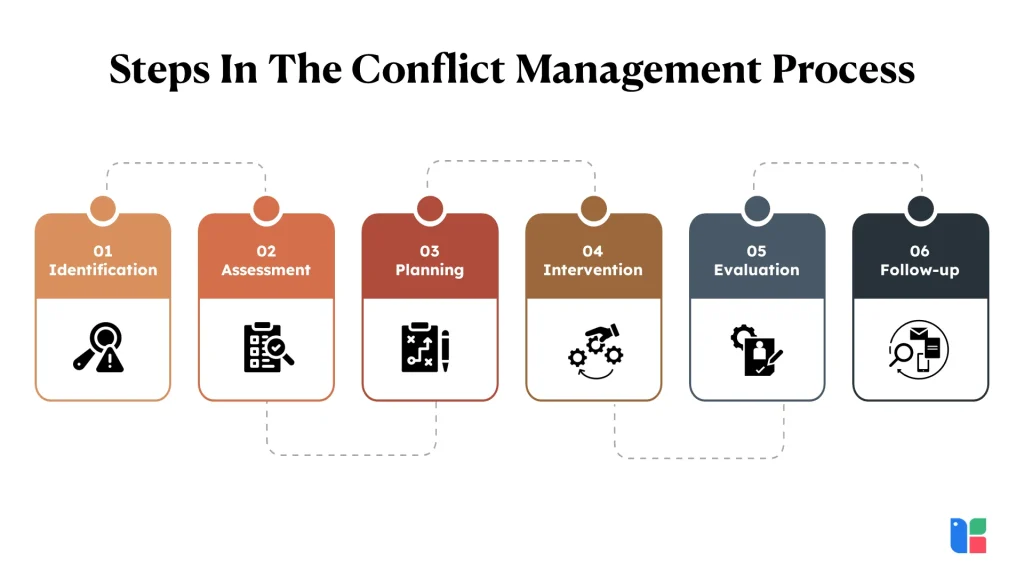
Conflict management refers to the process of identifying, addressing, and resolving disagreements in a constructive manner. The goal is not to eliminate conflict completely but to manage it in a way that minimizes negative effects and promotes positive outcomes. Effective conflict management helps maintain a healthy work environment and strengthens relationships among employees.
Causes of Conflict in Organizations
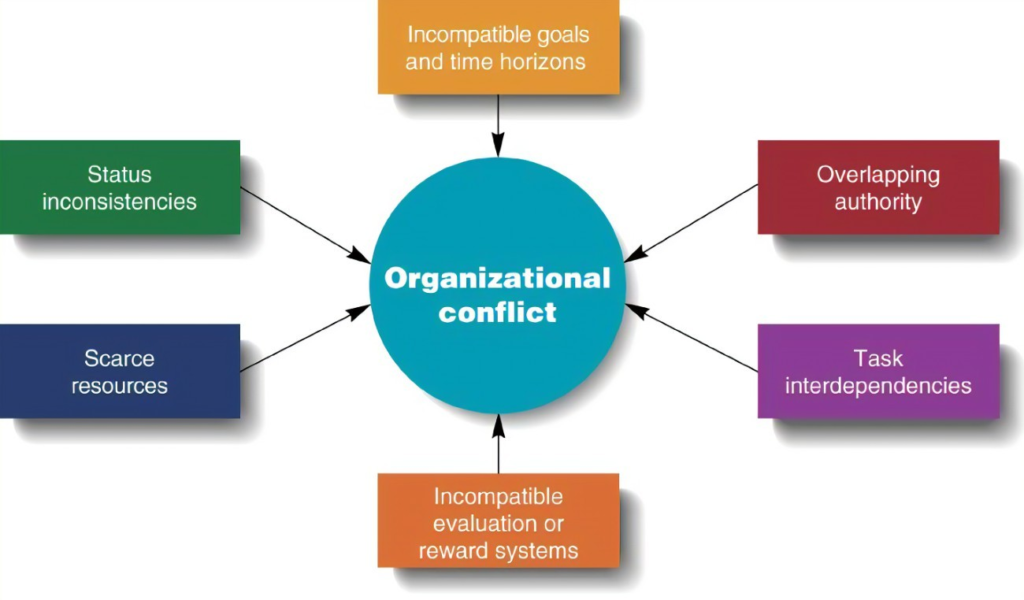
Several factors can lead to conflict in organizations, including:
1. Poor Communication
Misunderstandings and lack of clear communication can create confusion and disagreements.
2. Differences in Values and Beliefs
Employees may have different perspectives, experiences, and expectations.
3. Competition for Resources
Limited resources such as budgets, equipment, and opportunities can cause conflict.
4. Role Ambiguity
Unclear job responsibilities may lead to disputes among employees.
5. Personality Differences
Individual behaviors and attitudes can sometimes clash in the workplace.
Importance of Conflict Management
Effective conflict management is important because it:
- Improves workplace relationships.
- Enhances teamwork and collaboration.
- Increases employee satisfaction.
- Reduces stress and workplace tension.
- Encourages creative problem-solving.
- Improves organizational productivity and performance.
Conflict Management Styles
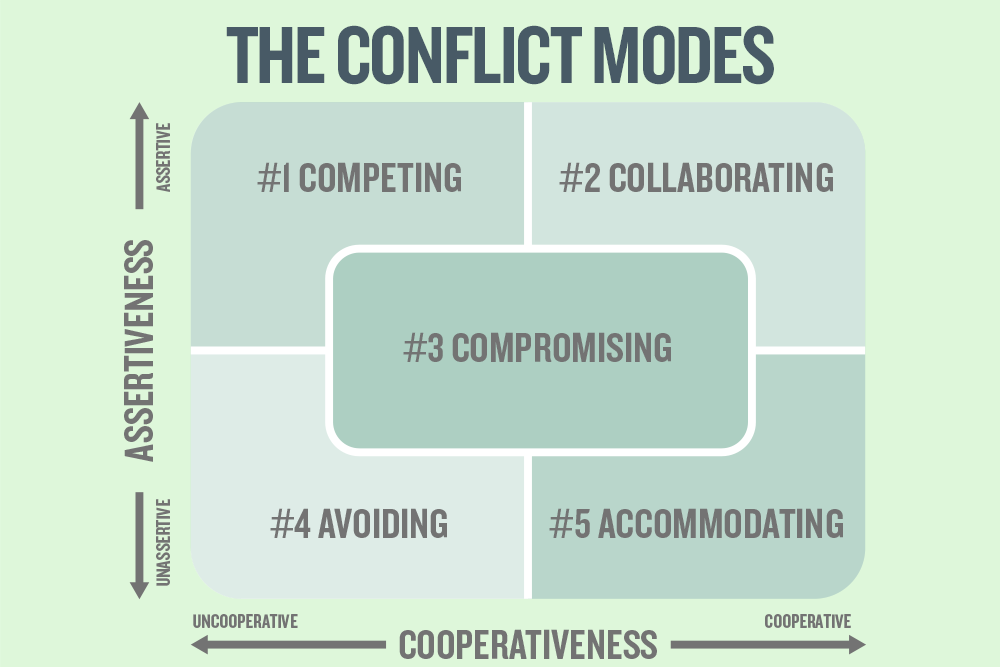
Organizations commonly use the following conflict management styles:
1. Avoiding
Ignoring or postponing the conflict when the issue is minor.
2. Accommodating
Giving priority to the needs of others to maintain harmony.
3. Competing
Seeking to achieve one’s own goals regardless of others’ concerns.
4. Compromising
Finding a middle-ground solution acceptable to all parties.
5. Collaborating
Working together to find a solution that satisfies everyone involved.
Among these styles, collaboration is often considered the most effective because it promotes mutual understanding and long-term solutions.
Strategies for Effective Conflict Management
Organizations can manage conflicts effectively through:
- Open and honest communication.
- Active listening.
- Employee training and development.
- Clear policies and procedures.
- Mediation and negotiation.
- Encouraging teamwork and mutual respect.
Leaders and managers play a crucial role in creating a positive environment where conflicts are resolved fairly and constructively.
Conclusion
In conclusion, conflict is an unavoidable aspect of organizational life. However, when managed effectively, it can become a source of innovation, learning, and organizational growth. Effective conflict management promotes cooperation, strengthens workplace relationships, and enhances overall organizational performance. Therefore, organizations should develop strong conflict management practices to create a productive and harmonious work environment.