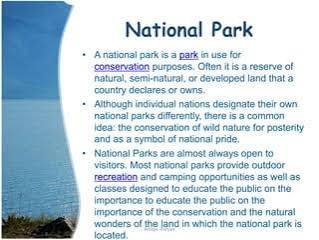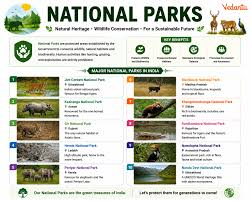
National parks are among the world’s most valuable protected areas, preserving wildlife, natural habitats, and ecosystems for future generations. They provide safe environments where animals and plants can thrive while allowing people to experience the beauty of nature responsibly. From vast forests and mountains to wetlands and grasslands, national parks play a crucial role in maintaining Earth’s biodiversity.
Why National Parks Matter
As cities expand and human activities increase, many wildlife species face habitat loss and environmental threats. National parks protect these habitats by limiting harmful activities such as illegal hunting, excessive logging, and unplanned development. These protected areas serve as safe havens where wildlife can live, breed, and migrate naturally.
Protecting Biodiversity
National parks are home to thousands of species of mammals, birds, reptiles, insects, and plants. Some parks protect rare and endangered species that might otherwise disappear. Conserving biodiversity ensures healthy ecosystems, which provide clean air, fresh water, fertile soil, and climate stability.
Supporting Scientific Research
Scientists use national parks to study wildlife behavior, ecosystems, and environmental changes. Research conducted in these protected areas helps improve conservation strategies, monitor endangered species, and understand the effects of climate change. The knowledge gained benefits both wildlife and human communities.
Promoting Eco-Tourism
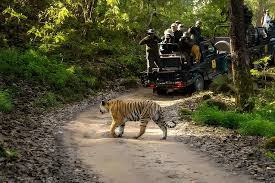
National parks attract millions of visitors every year. Responsible tourism generates income that supports conservation efforts, local communities, and park maintenance. Visitors also gain a deeper appreciation for nature by observing wildlife in its natural environment.
Popular activities include:
- Wildlife safaris
- Birdwatching
- Nature photography
- Hiking
- Camping
- Guided educational tours
These experiences encourage people to value and protect natural environments.
Challenges Facing National Parks
Despite their importance, many national parks face serious challenges, including:
- Climate change
- Illegal hunting and wildlife trafficking
- Pollution
- Deforestation near park boundaries
- Invasive species
- Human-wildlife conflict
Addressing these issues requires cooperation among governments, conservation organizations, local communities, and visitors.
How Visitors Can Help
Every visitor can contribute to conservation by:
- Following park rules and regulations.
- Staying on designated trails.
- Avoiding feeding or disturbing wildlife.
- Taking all litter home.
- Using reusable bottles and containers.
- Supporting conservation programs and local businesses.
Responsible behavior helps protect wildlife and preserves natural beauty.
Conclusion
National parks are essential for protecting wildlife, preserving biodiversity, and maintaining healthy ecosystems. They provide safe habitats for countless species while offering educational and recreational opportunities for people around the world. By supporting conservation efforts and practicing responsible tourism, everyone can help ensure that these remarkable natural treasures remain protected for future generations.