Introduction
In today’s world, environmental challenges such as climate change, pollution, and resource depletion have become major concerns. As the global population continues to grow, the demand for energy, water, and natural resources is increasing. To address these challenges, green technology has emerged as an innovative solution that promotes environmental protection and sustainable development. Green technology focuses on reducing environmental impact while improving the quality of life. It plays a vital role in supporting sustainable living by encouraging the responsible use of resources and environmentally friendly practices.
What is Green Technology?
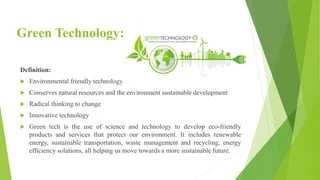
Green technology, also known as environmental technology or clean technology, refers to the use of science and innovation to create products, processes, and systems that conserve natural resources and reduce environmental harm. It aims to minimize pollution, increase energy efficiency, and promote the use of renewable resources.
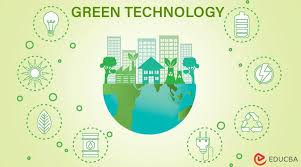
Examples of green technology include solar panels, wind turbines, electric vehicles, energy-efficient appliances, recycling systems, and sustainable construction materials.
Understanding Sustainable Living
Sustainable living is a lifestyle that seeks to reduce the use of Earth’s natural resources and minimize environmental damage. It involves making choices that meet present needs without compromising the ability of future generations to meet their own needs. Sustainable living encourages responsible consumption, waste reduction, energy conservation, and environmental awareness.
Importance of Green Technology
Green technology offers numerous benefits for society and the environment:
1. Environmental Protection
Green technologies help reduce pollution, greenhouse gas emissions, and environmental degradation.
2. Energy Efficiency
Energy-efficient technologies reduce energy consumption and lower utility costs.
3. Conservation of Natural Resources
Green solutions promote the sustainable use of water, forests, and other natural resources.
4. Economic Growth
The green technology sector creates employment opportunities and supports sustainable economic development.
5. Improved Public Health
Reducing pollution contributes to cleaner air and water, leading to better health outcomes.
Green Technology and Sustainable Living
Green technology supports sustainable living in many ways:
- Solar energy reduces dependence on fossil fuels.
- Electric vehicles decrease air pollution.
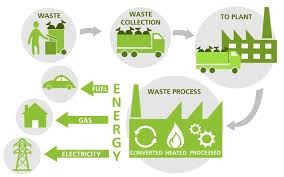
- Recycling technologies reduce waste.
- Smart homes improve energy efficiency.
- Sustainable agriculture protects natural ecosystems.
By adopting these technologies, individuals and communities can contribute to a healthier and more sustainable future.
Challenges of Green Technology
Despite its advantages, green technology faces certain challenges:
- High initial investment costs.
- Limited access in some regions.
- Lack of public awareness.
- Technological and infrastructure barriers.
Governments, businesses, and individuals must work together to overcome these challenges and promote sustainable practices.
Conclusion
In conclusion, green technology is a powerful tool for achieving sustainable living and environmental sustainability. It helps conserve resources, reduce pollution, and improve quality of life while supporting economic growth. As environmental concerns continue to increase, adopting green technologies and sustainable lifestyles is essential for protecting the planet and ensuring a better future for generations to come. Through collective efforts and responsible choices, society can create a cleaner, healthier, and more sustainable world.