Leadership is no longer limited to holding a position of authority. In today’s fast-changing world, effective leaders inspire others, solve problems creatively, and work collaboratively to achieve shared goals. As technology, globalization, and innovation continue to reshape society, the next generation must develop leadership skills that prepare them to face future challenges with confidence and integrity.
Why Leadership Skills Matter
Strong leadership helps individuals make informed decisions, motivate teams, and create positive change. Whether in schools, businesses, communities, or governments, leaders play a crucial role in guiding others toward success. Young people who develop leadership abilities early are better prepared to adapt to new opportunities and responsibilities.
Leadership also encourages accountability, resilience, and lifelong learning—qualities that are essential in the modern world.
Essential Leadership Skills
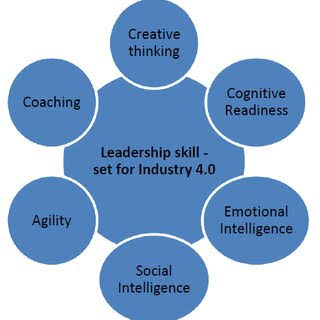
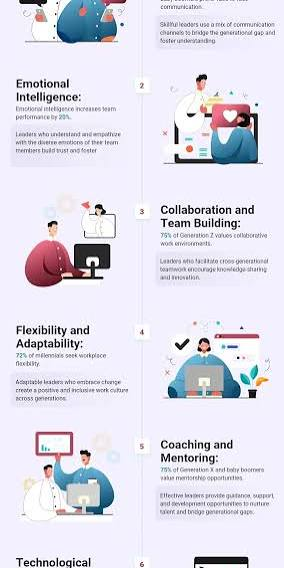
Future leaders should focus on developing a variety of important skills, including:
- Effective communication
- Critical thinking and problem-solving
- Emotional intelligence
- Teamwork and collaboration
- Decision-making
- Adaptability and resilience
- Creativity and innovation
- Time management
- Ethical leadership
These skills enable leaders to inspire trust, build strong relationships, and overcome challenges.
The Role of Technology in Leadership
Digital technology has transformed the way leaders communicate and manage teams. Virtual meetings, cloud collaboration, artificial intelligence, and data-driven decision-making have become part of everyday leadership. Future leaders must be digitally literate and understand how technology can improve productivity while maintaining meaningful human connections.
Responsible use of technology also requires awareness of privacy, cybersecurity, and ethical decision-making.
Learning Leadership Through Experience
Leadership is best developed through practical experience. Students can strengthen their leadership abilities by participating in school clubs, volunteer programs, sports teams, community projects, and student organizations. These experiences teach responsibility, teamwork, and confidence while helping young people discover their strengths.
Mentorship and continuous learning also play an important role in shaping successful leaders.
The Future of Leadership
The leaders of tomorrow will need to embrace diversity, encourage innovation, and lead with empathy. They must be prepared to solve global challenges such as climate change, technological disruption, and social inequality while promoting cooperation and sustainable development.
Organizations will increasingly value leaders who can adapt quickly, inspire others, and create inclusive environments where everyone can contribute.
Conclusion
Leadership skills are essential for the next generation to thrive in an ever-changing world. By developing communication, critical thinking, emotional intelligence, and ethical decision-making, young people can become confident leaders who inspire positive change. Investing in leadership education today will help build stronger communities and a brighter future for everyone.