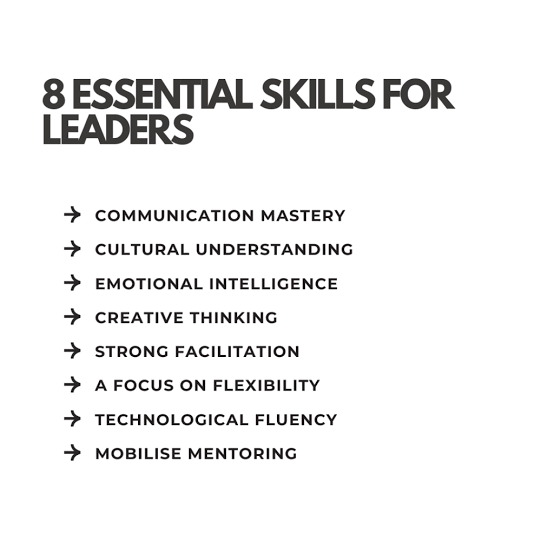
Communication is one of the most valuable skills a person can develop. It influences relationships, education, business, leadership, and everyday life. Effective communication is more than simply speaking or writing—it involves listening carefully, understanding different perspectives, and expressing ideas clearly and respectfully. In today’s connected world, strong communication skills are essential for personal and professional success.
Why Effective Communication Matters
Good communication helps people share ideas, solve problems, and build trust. Whether working on a team, leading an organization, or interacting with friends and family, clear communication reduces misunderstandings and strengthens relationships.
Organizations with effective communication often experience greater collaboration, improved productivity, and higher employee satisfaction.
Key Elements of Effective Communication
Successful communication involves several important components:
- Active listening
- Clear and concise language
- Confidence and professionalism
- Empathy and understanding
- Positive body language
- Constructive feedback
- Respect for different opinions
Together, these qualities create meaningful conversations that encourage cooperation and mutual respect.
Communication in the Digital Age
Technology has changed the way people communicate through emails, video conferences, messaging apps, and social media. While digital communication offers speed and convenience, it also requires careful attention to clarity, tone, and professionalism.
Using respectful language and verifying information before sharing it are essential habits for responsible digital communication.
Building Strong Relationships
Effective communication strengthens relationships by encouraging openness, honesty, and trust. Listening with empathy helps people understand one another, resolve conflicts peacefully, and create supportive environments at home, school, and work.
Strong communicators are also better at motivating others, negotiating solutions, and working successfully in diverse teams.
Improving Communication Skills
Communication can be improved through continuous practice. Reading regularly, expanding vocabulary, participating in discussions, practicing public speaking, and seeking constructive feedback all help build confidence and effectiveness.
Remaining open-minded and respecting different viewpoints also contribute to becoming a better communicator.
Conclusion
The power of effective communication lies in its ability to connect people, inspire action, and build lasting relationships. As the world becomes increasingly interconnected, strong communication skills will remain essential for leadership, collaboration, and personal growth. By listening actively and expressing ideas clearly, individuals can create positive impacts in every aspect of life.