Nutrition is one of the most important aspects of a healthy lifestyle, yet it is also surrounded by countless myths and misconceptions. With information spreading rapidly through social media and the internet, it can be difficult to distinguish scientific facts from popular beliefs. Understanding the truth about nutrition helps people make informed choices that support long-term health and well-being.
Why Nutrition Matters
A balanced diet provides the body with essential nutrients needed for growth, energy, and disease prevention. Carbohydrates, proteins, healthy fats, vitamins, minerals, and water all play vital roles in maintaining physical and mental health. Good nutrition also supports a strong immune system, healthy weight management, and improved concentration.
Common Nutrition Myths and the Facts
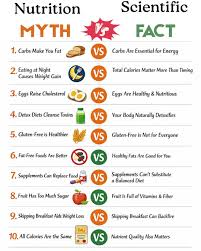
Myth 1: Carbohydrates Are Always Bad
Fact: Carbohydrates are the body’s primary source of energy. Whole grains, fruits, vegetables, and legumes provide healthy carbohydrates that are rich in fiber, vitamins, and minerals. The key is choosing complex carbohydrates over highly processed sugary foods.
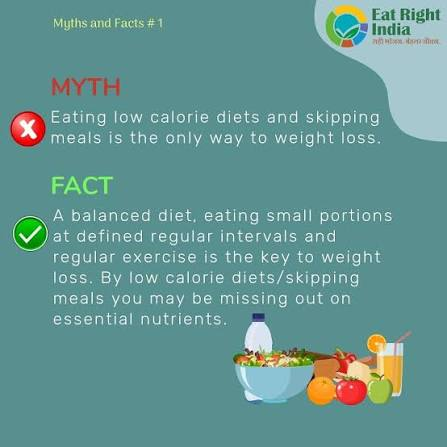
Myth 2: Skipping Meals Helps You Lose Weight
Fact: Skipping meals may lead to overeating later in the day and can slow metabolism over time. Eating balanced meals at regular intervals helps maintain energy levels and supports healthy weight management.
Myth 3: All Fats Are Unhealthy
Fact: Healthy fats found in foods like nuts, seeds, avocados, olive oil, and fish are essential for brain function, hormone production, and heart health. It is excessive intake of trans fats and highly processed foods that should be limited.
Myth 4: Protein Is Only Important for Athletes
Fact: Everyone needs protein to build and repair tissues, maintain muscles, and support immune function. Good sources include lean meats, fish, eggs, dairy products, beans, lentils, and tofu.
Myth 5: Supplements Can Replace Healthy Food
Fact: While supplements may help people with specific nutrient deficiencies, they cannot replace a balanced diet. Whole foods provide a combination of nutrients, fiber, and beneficial compounds that supplements cannot fully replicate.
Healthy Eating Habits
Maintaining good nutrition involves more than choosing healthy foods. Important habits include:
- Eating a variety of fruits and vegetables
- Drinking enough water throughout the day
- Limiting added sugars and processed foods
- Choosing whole grains over refined grains
- Practicing portion control
- Reading nutrition labels carefully
These habits promote overall health and reduce the risk of chronic diseases.
The Future of Nutrition
Advances in nutritional science are leading to more personalized approaches to healthy eating. Personalized nutrition plans based on genetics, lifestyle, and health conditions may help individuals make better dietary choices. At the same time, growing awareness of sustainable food systems is encouraging healthier diets that also benefit the environment.
Conclusion
Understanding the difference between nutrition myths and scientific facts empowers individuals to make healthier lifestyle choices. A balanced diet, combined with regular physical activity and healthy habits, supports long-term well-being. Rather than following popular trends, people should rely on evidence-based nutrition information to achieve lasting health.