For thousands of years, Indigenous communities have lived in close harmony with nature, developing deep knowledge of local ecosystems and wildlife. Their traditional practices, passed down through generations, offer valuable insights into sustainable resource management and biodiversity conservation. Today, Indigenous knowledge is increasingly recognized as an essential partner to modern science in protecting wildlife and preserving natural habitats.
Understanding Indigenous Knowledge
Indigenous knowledge is based on centuries of observation, experience, and cultural traditions. It includes understanding animal behavior, seasonal changes, plant diversity, water management, and sustainable hunting and fishing practices. This knowledge allows communities to use natural resources responsibly while maintaining ecological balance.
Supporting Wildlife Protection
Many Indigenous communities protect forests, wetlands, rivers, and grasslands that serve as critical habitats for wildlife. Traditional conservation practices often include seasonal harvesting, sacred protected areas, and careful management of natural resources, helping maintain healthy populations of plants and animals.
Research has shown that many Indigenous-managed lands support high levels of biodiversity and provide safe habitats for endangered species.
Combining Traditional Knowledge with Science
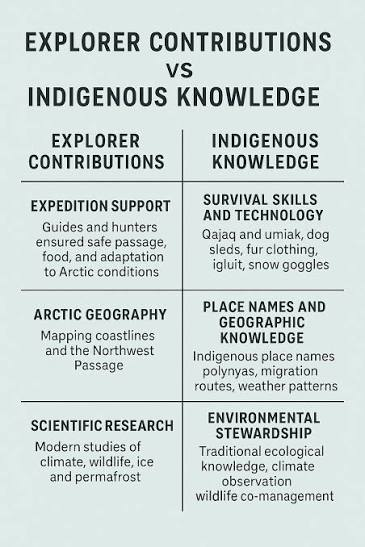
Scientists and conservation organizations are increasingly collaborating with Indigenous communities. Traditional ecological knowledge complements scientific research by providing long-term observations of environmental changes that may not appear in modern data records.
Together, Indigenous knowledge and scientific methods improve wildlife monitoring, habitat restoration, and climate adaptation strategies.
Challenges Facing Indigenous Communities
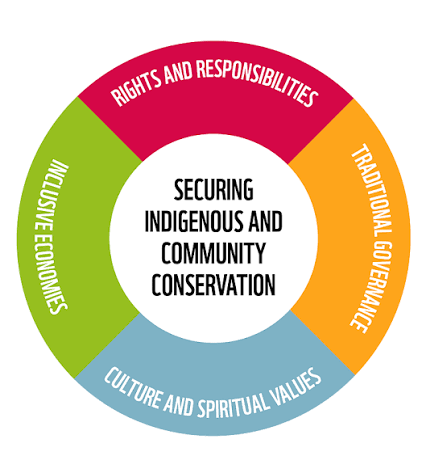
Despite their important role, many Indigenous communities face land loss, environmental degradation, and limited participation in conservation decision-making. Protecting Indigenous rights and recognizing their contributions are essential for successful conservation efforts.
A Shared Responsibility
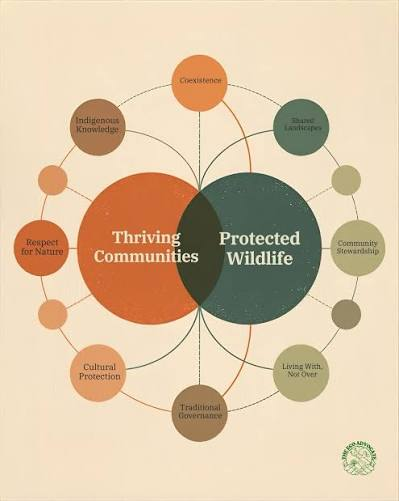
Governments, conservation groups, and local communities can strengthen wildlife protection by respecting Indigenous leadership, supporting community-led conservation projects, and promoting policies that preserve traditional knowledge for future generations.
Conclusion
Indigenous knowledge offers practical, sustainable, and time-tested solutions for wildlife conservation. By combining traditional wisdom with scientific innovation, societies can build stronger conservation strategies that benefit both people and nature while preserving Earth’s rich biodiversity.