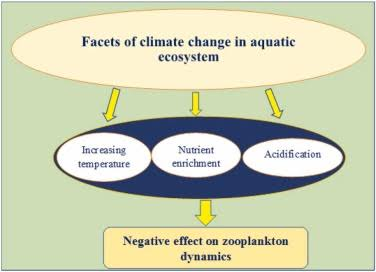
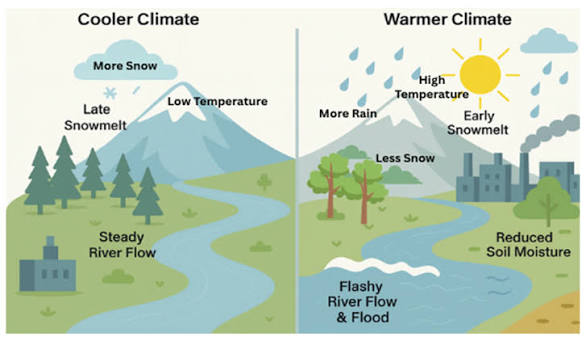
Freshwater ecosystems—including rivers, lakes, streams, ponds, and wetlands—are among the most valuable environments on Earth. They provide drinking water, support agriculture, generate electricity, and serve as habitats for thousands of plant and animal species. However, climate change is placing these ecosystems under increasing pressure, threatening both biodiversity and human well-being.
Rising Water Temperatures
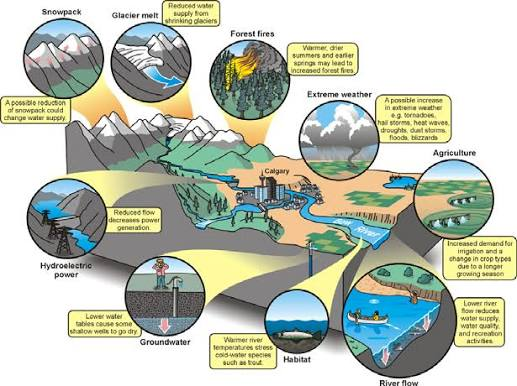
Higher air temperatures cause rivers and lakes to warm, reducing oxygen levels in the water. Many fish and aquatic organisms require cool, oxygen-rich environments to survive. As temperatures rise, sensitive species experience stress, slower growth, reduced reproduction, and higher mortality.
Changing Rainfall Patterns
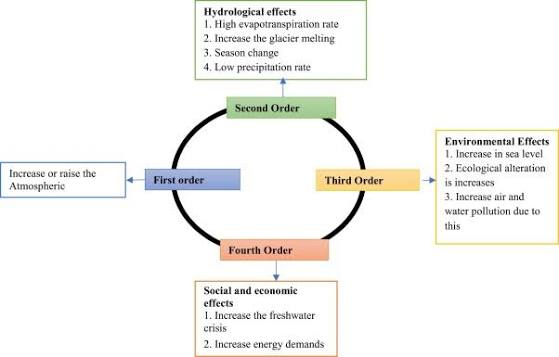
Climate change is altering rainfall around the world. Some regions experience prolonged droughts that reduce river flows and shrink wetlands, while others face more frequent floods that damage habitats and wash pollutants into freshwater systems. These changes disrupt natural ecological processes and threaten aquatic life.
Declining Water Quality
Warmer temperatures encourage harmful algal blooms that reduce water quality and produce toxins harmful to fish, wildlife, livestock, and humans. Increased runoff from heavy rainfall also carries fertilizers, pesticides, and sediments into rivers and lakes, further degrading freshwater ecosystems.
Threats to Biodiversity
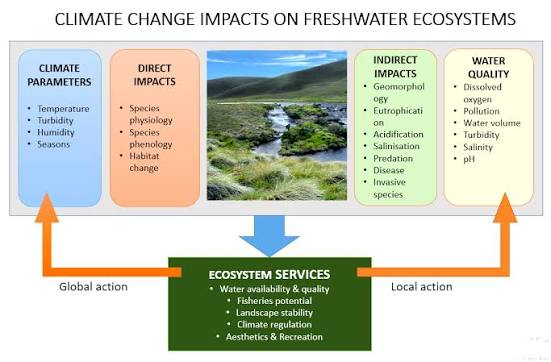
Many freshwater species have limited ability to move when conditions change. Fish, amphibians, insects, and aquatic plants may struggle to adapt to warmer temperatures, changing water levels, and pollution. As habitats deteriorate, biodiversity declines and food webs become less stable.
Protecting Freshwater Ecosystems
Conservation efforts include restoring wetlands, protecting riverbanks, reducing pollution, improving water management, and conserving forests that regulate water cycles. Reducing greenhouse gas emissions is equally important for slowing climate change and protecting freshwater resources.
Public awareness, scientific research, and sustainable water use can also help strengthen ecosystem resilience.
Conclusion
Climate change is transforming freshwater ecosystems in ways that affect wildlife, human communities, and the global environment. Protecting these valuable ecosystems requires coordinated action to reduce pollution, conserve natural habitats, and address the root causes of climate change. Healthy freshwater systems are essential for sustaining life on Earth.