Introduction
Renewable energy has become one of the most important solutions to the world’s growing energy and environmental challenges. As fossil fuel reserves decline and climate change becomes a global concern, countries are investing heavily in clean and sustainable energy sources. Renewable energy not only helps reduce pollution but also supports economic growth, energy security, and a healthier environment for future generations.
What Is Renewable Energy?
Renewable energy is energy generated from natural resources that are continuously replenished. Unlike fossil fuels such as coal, oil, and natural gas, renewable energy sources do not run out over time and produce significantly lower greenhouse gas emissions.
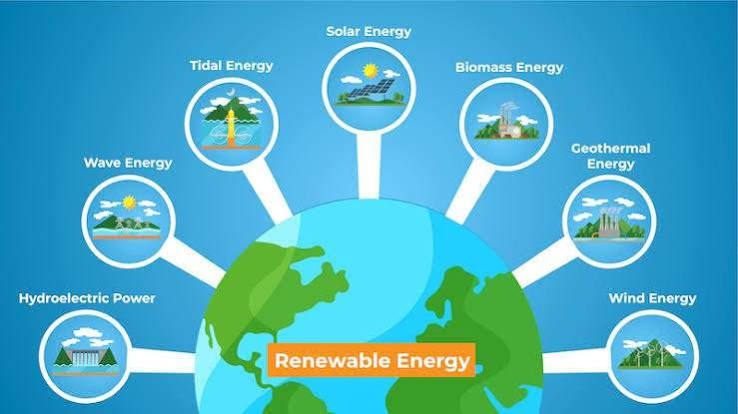
The main types of renewable energy include:
- Solar energy
- Wind energy
- Hydroelectric power
- Geothermal energy
- Biomass energy
Why Is Renewable Energy Important?
Renewable energy plays a vital role in reducing environmental damage while meeting the world’s increasing energy demands.
Some major benefits include:
- Reduces carbon emissions
- Improves air quality
- Decreases dependence on fossil fuels
- Creates new employment opportunities
- Promotes sustainable development
- Enhances national energy security
Types of Renewable Energy
Solar Energy
Solar panels convert sunlight into electricity. Solar power is one of the fastest-growing renewable energy sources because it is clean, reliable, and increasingly affordable.
Wind Energy
Wind turbines generate electricity by using the power of moving air. Wind farms are commonly built in areas with strong and consistent winds.
Hydroelectric Energy
Hydropower plants generate electricity by using flowing water to turn turbines. It is one of the oldest and most widely used renewable energy sources.
Geothermal Energy
Geothermal energy uses heat from beneath the Earth’s surface to produce electricity and provide heating.
Biomass Energy
Biomass energy is produced from organic materials such as agricultural waste, wood, and plant matter. It provides an alternative to fossil fuels when managed sustainably.
Challenges of Renewable Energy
Despite its advantages, renewable energy also faces several challenges.
High Initial Costs
Installing renewable energy systems often requires significant upfront investment.
Weather Dependence
Solar and wind energy production depends on weather conditions, which may affect energy generation.
Energy Storage
Efficient battery technology is needed to store excess renewable energy for use when production is low.
Infrastructure Development
Many countries need modern electricity grids to support large-scale renewable energy integration.
The Future of Renewable Energy
The future of renewable energy is promising. Governments, businesses, and researchers continue to invest in cleaner technologies and energy storage solutions.
Emerging trends include:
- Advanced solar panel technology
- Offshore wind farms
- Smart electrical grids
- Green hydrogen production
- Improved battery storage systems
- Artificial intelligence for energy management
These innovations will make renewable energy more efficient, affordable, and widely available.
How Individuals Can Support Renewable Energy
Everyone can contribute to a cleaner future by:
- Conserving electricity
- Using energy-efficient appliances
- Installing solar panels where possible
- Supporting environmentally responsible businesses
- Reducing unnecessary energy consumption
- Promoting awareness about clean energy
Conclusion
Renewable energy is essential for building a sustainable future. It offers cleaner air, lower carbon emissions, greater energy security, and long-term economic benefits. Although challenges such as storage and infrastructure remain, continuous technological advancements are making renewable energy more practical and affordable. By embracing clean energy solutions today, the world can create a healthier environment and ensure reliable energy for future generations.
