Introduction
Space exploration is one of humanity’s greatest scientific achievements. For decades, scientists and astronauts have explored the universe to understand planets, stars, galaxies, and the origins of life. Advances in space technology have expanded our knowledge of the cosmos while leading to innovations that benefit life on Earth. As new missions are launched and private companies enter the space industry, the future of space exploration is more exciting than ever.
What Is Space Exploration?
Space exploration is the investigation of outer space using telescopes, satellites, robotic spacecraft, space probes, and human space missions. Its goal is to study celestial objects, discover new knowledge, and develop technologies that help humanity explore beyond Earth.
History of Space Exploration
The modern era of space exploration began in the 20th century with the launch of artificial satellites.
Some major milestones include:
- The launch of the first artificial satellite.
- The first human journey into space.
- The first human landing on the Moon.
- The construction of the International Space Station.
- Robotic missions to Mars and other planets.
These achievements have greatly expanded our understanding of the universe.
Why Is Space Exploration Important?
Space exploration offers many scientific, technological, and economic benefits.
Scientific Discovery
Scientists study planets, stars, black holes, and distant galaxies to better understand the universe.
Technological Innovation
Space programs have contributed to advances in communication, navigation, medical equipment, and computer technology.
Earth Observation
Satellites monitor weather patterns, climate change, natural disasters, and environmental conditions.
Economic Growth
The space industry creates jobs, encourages innovation, and supports technological development.
Inspiration for Future Generations
Space exploration motivates young people to study science, technology, engineering, and mathematics (STEM).
Challenges of Space Exploration
Despite its achievements, space exploration faces several challenges.
High Costs
Developing spacecraft and launching missions require significant financial investment.
Human Health Risks
Astronauts face exposure to radiation, isolation, and the physical effects of long-term space travel.
Technical Complexity
Space missions require advanced engineering, precise planning, and highly reliable equipment.
Space Debris
Thousands of inactive satellites and fragments orbit Earth, increasing the risk of collisions.
The Future of Space Exploration
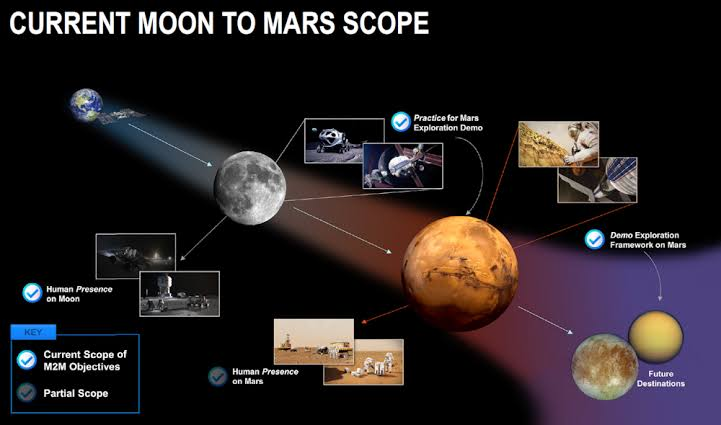
The future of space exploration includes ambitious goals such as returning humans to the Moon, establishing permanent lunar bases, and sending astronauts to Mars. Scientists are also searching for signs of life on other planets and developing advanced spacecraft capable of traveling farther into deep space.
Emerging technologies such as artificial intelligence, reusable rockets, and advanced robotics are making space missions more efficient and cost-effective.
How Space Exploration Benefits Everyday Life
Many technologies developed for space missions are now used in everyday life, including:
- GPS navigation
- Satellite communication
- Weather forecasting
- Medical imaging technologies
- Water purification systems
- Advanced materials used in electronics and transportation
These innovations demonstrate that investments in space exploration provide benefits far beyond scientific research.
Conclusion
Space exploration continues to expand humanity’s understanding of the universe while driving scientific and technological progress. Although challenges such as cost, technical complexity, and space debris remain, ongoing innovation is opening new possibilities for exploration beyond Earth. As governments and private companies continue investing in space research, the future promises remarkable discoveries that will benefit both science and society for generations to come.
