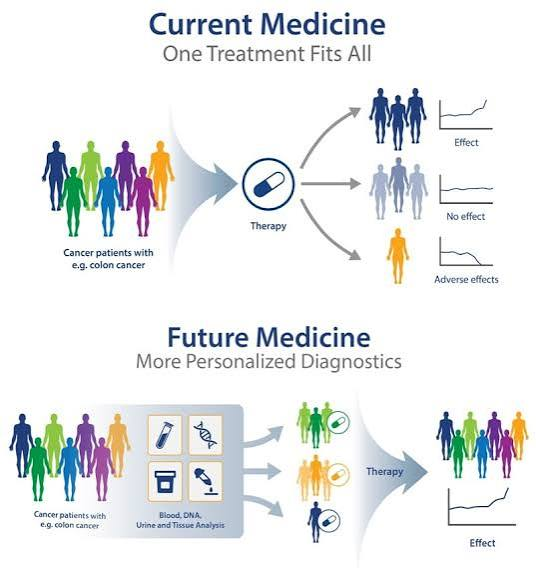
Personalized medicine is transforming healthcare by moving away from the traditional “one-size-fits-all” approach toward treatments tailored to each individual’s unique genetic makeup, lifestyle, and environment. Advances in genomics, artificial intelligence (AI), and digital health technologies are making personalized medicine more accessible than ever before. As research continues to evolve, this innovative approach promises to improve patient outcomes, reduce healthcare costs, and reshape the future of medicine.
What Is Personalized Medicine?
Personalized medicine, also known as precision medicine, is a healthcare approach that uses information about a person’s genes, medical history, environment, and lifestyle to guide prevention, diagnosis, and treatment. Instead of prescribing the same medication to everyone with a particular condition, doctors can select therapies that are most likely to be effective for each patient.
Key Trends Shaping Personalized Medicine
1. Genomic Sequencing Becoming More Affordable
The cost of sequencing human DNA has dropped dramatically over the past decade. As genetic testing becomes more affordable, doctors can identify inherited diseases, predict health risks, and choose treatments based on a patient’s genetic profile.
2. Artificial Intelligence in Diagnosis
AI is helping healthcare professionals analyze enormous amounts of medical data quickly and accurately. Machine learning algorithms can detect disease patterns, predict treatment responses, and assist doctors in making more informed decisions.
3. Precision Cancer Treatments
Cancer treatment is one of the biggest success stories of personalized medicine. Instead of treating all cancers the same way, doctors now analyze genetic mutations within tumors and prescribe targeted therapies that attack specific cancer cells while minimizing damage to healthy tissue.
4. Wearable Health Technology
Smartwatches and wearable medical devices continuously monitor heart rate, blood oxygen levels, sleep quality, and physical activity. These devices provide real-time health information that allows early detection of medical conditions and supports personalized healthcare plans.
5. Pharmacogenomics
Pharmacogenomics studies how genes influence a person’s response to medications. This helps doctors prescribe drugs that are more effective while reducing harmful side effects and unnecessary treatments.
6. Digital Health Records and Big Data
Electronic health records combined with large healthcare databases enable physicians to compare patient histories, identify trends, and recommend personalized treatment strategies based on millions of previous cases.
Benefits of Personalized Medicine
- More accurate diagnosis
- Faster and more effective treatment
- Fewer medication side effects
- Better disease prevention
- Improved patient satisfaction
- Reduced healthcare costs over time
Challenges Ahead
Despite its promise, personalized medicine faces several challenges, including protecting patient privacy, ensuring data security, reducing the cost of advanced testing, and making these technologies available in developing countries. Ethical questions regarding genetic information and equal access to healthcare also require careful attention.
The Future Outlook
Over the next decade, personalized medicine is expected to become a routine part of healthcare. AI-powered diagnostics, gene-editing technologies, and personalized vaccines could revolutionize the treatment of diseases such as cancer, diabetes, heart disease, and rare genetic disorders. Healthcare will increasingly focus on preventing illness before symptoms even appear.
Conclusion
Personalized medicine represents one of the most exciting developments in modern healthcare. By combining genetics, technology, and data-driven decision-making, it offers more precise treatments and better patient outcomes. As innovation continues, personalized medicine will play a vital role in creating healthier lives and a more efficient healthcare system for future generations.