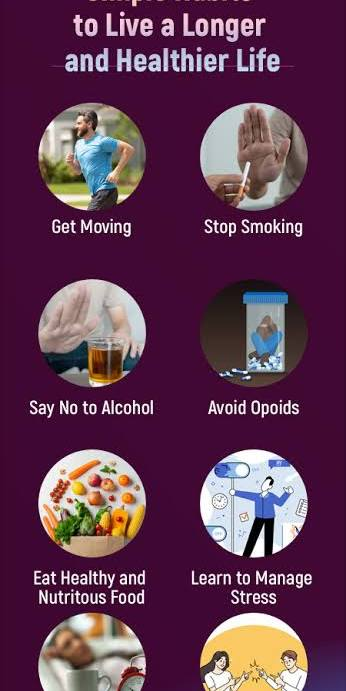
Living a long and healthy life is not determined by luck alone. Scientific research consistently shows that daily habits have a significant impact on overall health, disease prevention, and life expectancy. Small, consistent lifestyle choices can improve physical health, strengthen mental well-being, and enhance quality of life. By adopting healthy habits, individuals can reduce the risk of chronic diseases and enjoy a more active, fulfilling future.
Why Healthy Habits Matter
Healthy habits support every system in the body. They improve heart health, strengthen the immune system, maintain a healthy weight, and reduce the risk of conditions such as diabetes, high blood pressure, and certain cancers. In addition, positive lifestyle choices contribute to better mental health and increased energy.
Essential Healthy Habits
1. Eat a Balanced Diet
A nutritious diet provides the body with essential vitamins, minerals, protein, healthy fats, and fiber. Include plenty of fruits, vegetables, whole grains, lean proteins, and healthy fats while limiting processed foods, sugary drinks, and excessive salt.
2. Stay Physically Active
Regular exercise strengthens muscles, improves cardiovascular health, supports healthy weight management, and boosts mood. Experts recommend at least 150 minutes of moderate physical activity each week.
3. Get Enough Quality Sleep
Sleep allows the body to repair itself and helps maintain memory, concentration, and emotional balance. Adults should aim for seven to nine hours of quality sleep each night.
4. Drink Plenty of Water
Proper hydration supports digestion, circulation, temperature regulation, and brain function. Drinking enough water throughout the day helps maintain overall health and energy levels.
5. Manage Stress Effectively
Chronic stress can negatively affect both physical and mental health. Relaxation techniques such as meditation, deep breathing, yoga, and spending time outdoors can help reduce stress.
6. Avoid Harmful Habits
Avoid smoking, excessive alcohol consumption, and recreational drug use. These habits significantly increase the risk of serious health conditions and shorten life expectancy.
7. Maintain Strong Social Connections
Healthy relationships with family, friends, and the community contribute to emotional well-being, reduce loneliness, and improve mental health.
8. Schedule Regular Health Checkups
Routine medical examinations help detect health problems early when they are easier to treat. Preventive screenings and vaccinations also play an important role in long-term health.
Mental Health Is Equally Important
A healthy life includes emotional well-being. Practicing gratitude, maintaining hobbies, learning new skills, and seeking professional support when needed contribute to a happier and healthier life.
Building Lasting Healthy Habits
Long-term success comes from making gradual changes rather than attempting dramatic lifestyle transformations. Setting realistic goals, tracking progress, and staying consistent can turn healthy choices into lifelong habits.
Conclusion
Healthy habits are among the most powerful investments anyone can make for a longer and better life. Eating nutritious foods, exercising regularly, sleeping well, managing stress, and maintaining positive relationships all contribute to improved health and longevity. By making these habits part of everyday life, people can enjoy greater well-being and a brighter future.
