Every person expresses and receives love differently. Understanding these differences is essential for building a happy and fulfilling marriage. The concept of love languages explains that people have preferred ways of giving and receiving affection. When spouses understand each other’s love language, they can communicate their love more effectively and strengthen their emotional connection.
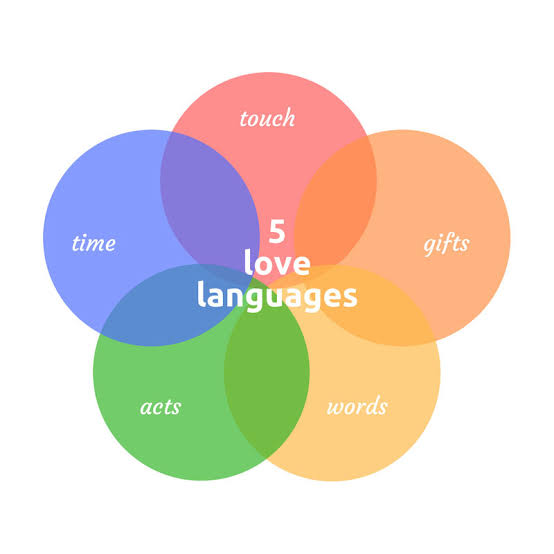
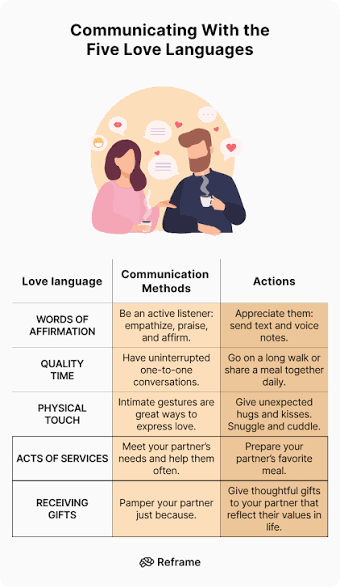
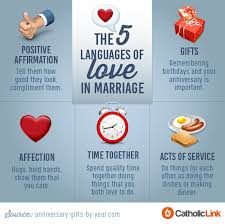
The five commonly recognized love languages are words of affirmation, acts of service, receiving gifts, quality time, and physical touch. While most people appreciate all forms of affection, they often value one or two more than the others.
Words of affirmation involve expressing love through kind words, compliments, appreciation, and encouragement. A simple “Thank you,” “I’m proud of you,” or “I love you” can have a powerful emotional impact on someone who values verbal expressions of affection.
Acts of service focus on helping a partner through thoughtful actions. Preparing a meal, assisting with household chores, or supporting daily responsibilities demonstrates care and commitment. For some individuals, these actions speak louder than words.
Receiving gifts is another love language, where meaningful presents symbolize thoughtfulness rather than material value. Even small, inexpensive gifts can remind a partner that they are loved and remembered.
Quality time emphasizes giving undivided attention to one another. Spending meaningful time together without distractions strengthens emotional intimacy and creates lasting memories. Activities such as taking walks, sharing meals, or enjoying hobbies together help deepen relationships.
Physical touch includes gestures such as holding hands, hugging, and affectionate embraces. These expressions provide comfort, reassurance, and emotional security for those who value physical closeness.
Understanding your partner’s love language helps prevent misunderstandings. Sometimes spouses express love in ways they personally value rather than in ways their partner appreciates. Learning each other’s preferences enables couples to meet emotional needs more effectively and avoid unnecessary disappointment.
Love languages are not fixed throughout life. Personal experiences, changing circumstances, and different life stages may influence how people prefer to receive affection. Therefore, couples should continue communicating openly about their emotional needs as their relationship evolves.
Conclusion
Understanding love languages allows spouses to express affection in meaningful and effective ways. By recognizing and respecting each other’s emotional preferences, couples can strengthen communication, deepen intimacy, and build a more satisfying marriage. Small daily expressions of love often create the strongest and most lasting relationships.