Introduction
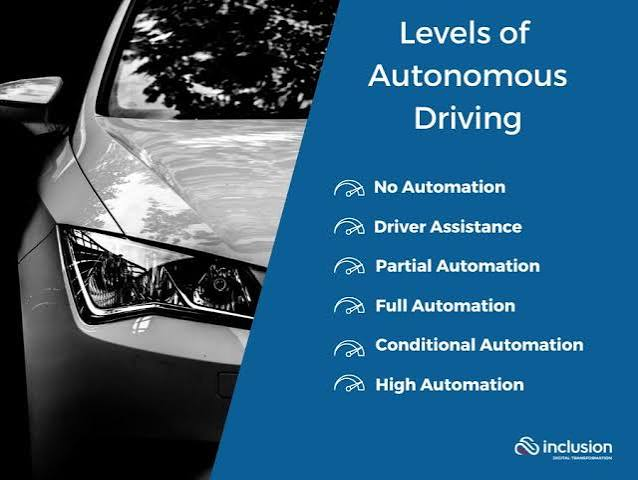
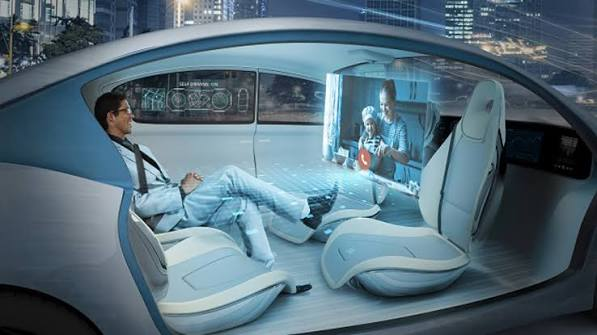
Autonomous vehicles, also known as self-driving cars, are transforming the future of transportation. Powered by artificial intelligence, advanced sensors, cameras, radar, and high-precision mapping, these vehicles can navigate roads with minimal or no human intervention. As technology continues to improve, autonomous vehicles have the potential to make roads safer, reduce traffic congestion, and revolutionize the way people travel.
How Autonomous Vehicles Work
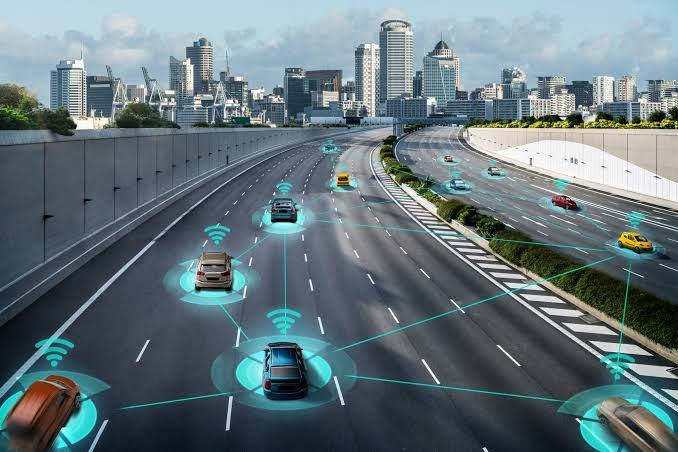
Self-driving vehicles rely on a combination of technologies to understand their surroundings. Cameras capture road signs and traffic signals, while radar and LiDAR sensors detect nearby vehicles, pedestrians, and obstacles. Artificial intelligence processes this information in real time, allowing the vehicle to make safe driving decisions.
Modern autonomous systems continuously learn from millions of miles of driving data, improving their ability to respond to changing road conditions.
Benefits of Self-Driving Cars
One of the greatest advantages of autonomous vehicles is improved road safety. Since most traffic accidents are caused by human error, AI-powered vehicles could significantly reduce collisions by maintaining safe speeds, avoiding distractions, and reacting faster than human drivers.
Autonomous vehicles may also improve mobility for elderly individuals and people with disabilities, providing greater independence and easier access to transportation.
Environmental Impact
Self-driving technology can reduce fuel consumption by optimizing routes, maintaining steady speeds, and minimizing unnecessary braking and acceleration. Combined with electric vehicle technology, autonomous transportation could help lower greenhouse gas emissions and improve urban air quality.
Challenges to Overcome
Despite rapid progress, several challenges remain. Governments must establish regulations that ensure safety and accountability. Cybersecurity is another major concern, as connected vehicles must be protected from hacking attempts.
Public trust is also essential. Many people remain cautious about fully autonomous vehicles, making extensive testing and transparent safety standards necessary before widespread adoption.
The Road Ahead
In the coming years, autonomous technology is expected to expand beyond personal cars into public transportation, freight delivery, agriculture, and emergency services. Smart cities may integrate autonomous vehicles with intelligent traffic management systems to create safer and more efficient transportation networks.
Conclusion
The future of autonomous vehicles is filled with exciting possibilities. As artificial intelligence, sensor technology, and infrastructure continue to improve, self-driving vehicles could redefine transportation by making travel safer, cleaner, and more convenient. Although challenges remain, autonomous vehicles are likely to become an important part of everyday life in the decades ahead.