Introduction
The oceans cover more than 70 percent of Earth’s surface, yet much of the deep sea remains unexplored. Harsh conditions, extreme pressure, and darkness make human exploration difficult, but underwater robots are changing that. Equipped with advanced sensors, cameras, sonar, and artificial intelligence, these machines are helping scientists uncover the secrets of the ocean while improving research, conservation, and resource management.
Types of Underwater Robots
There are two main types of underwater robots:
- Remotely Operated Vehicles (ROVs): Controlled by operators on ships using cables.
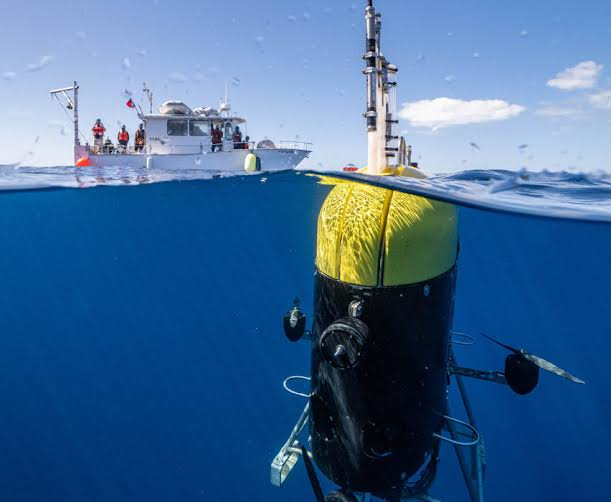
- Autonomous Underwater Vehicles (AUVs): Operate independently using onboard computers and navigation systems.
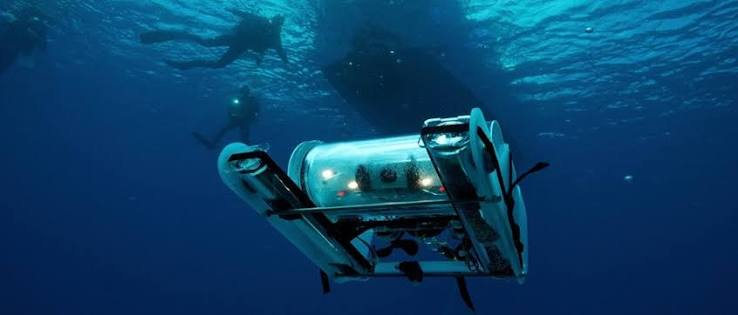
Both are designed to explore areas that are too deep or dangerous for human divers.
Scientific Discoveries
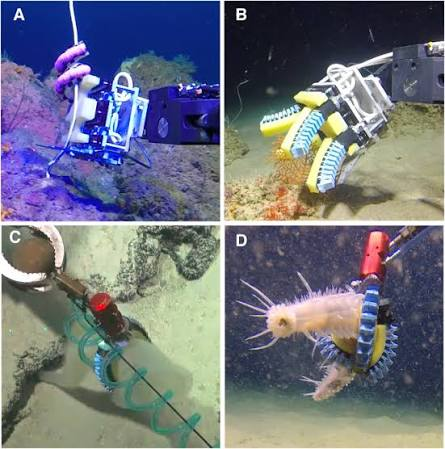
Underwater robots have discovered previously unknown marine species, explored hydrothermal vents, mapped underwater volcanoes, and investigated deep-sea ecosystems. They also help researchers understand ocean currents, climate patterns, and marine biodiversity.
These discoveries improve scientific knowledge and support environmental protection.
Protecting Marine Ecosystems
Robots play a vital role in monitoring coral reefs, detecting pollution, and studying the effects of climate change on marine life. High-resolution cameras and advanced sensors allow scientists to observe delicate ecosystems without causing significant disturbance.
Industrial Applications
Beyond research, underwater robots inspect pipelines, offshore wind farms, communication cables, and oil and gas infrastructure. They can also assist in underwater archaeology by documenting shipwrecks and submerged historical sites.
The Future of Ocean Exploration
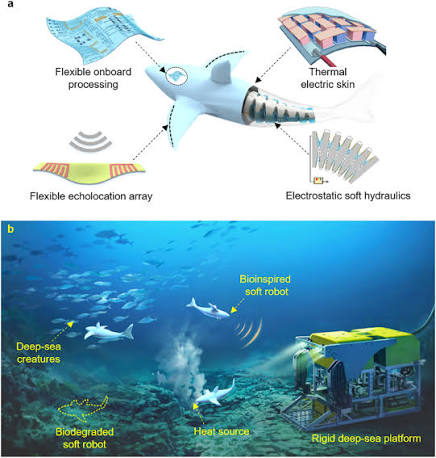
Future underwater robots are expected to become more intelligent, energy-efficient, and capable of long-duration missions. AI-powered systems will improve navigation, sample collection, and real-time scientific analysis, allowing researchers to explore even deeper parts of the ocean.
Conclusion
Underwater robots are transforming humanity’s ability to study and protect the oceans. By reaching places that humans cannot safely explore, these remarkable machines are expanding our understanding of Earth’s final frontier and supporting efforts to preserve marine ecosystems for future generations.