Introduction
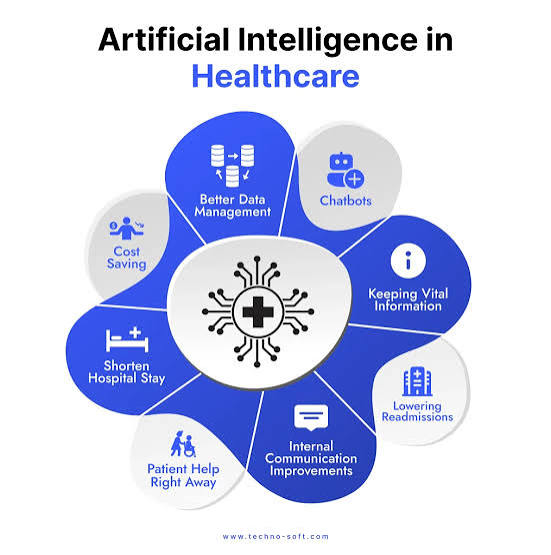
Artificial Intelligence (AI) is revolutionizing healthcare by improving diagnosis, treatment, and patient care. Hospitals, clinics, and research institutions are increasingly adopting AI-powered tools to enhance medical services, reduce errors, and save lives. By analyzing large amounts of medical data quickly and accurately, AI is helping healthcare professionals make better decisions and deliver personalized care.
Early Disease Detection
One of AI’s greatest strengths is identifying diseases at an early stage.
AI systems can detect:
- Cancer
- Heart disease
- Diabetes
- Alzheimer’s disease
- Eye disorders
Medical imaging technologies powered by AI analyze X-rays, CT scans, and MRIs with remarkable precision, enabling earlier treatment and improving survival rates.
Personalized Treatment
Every patient is unique. AI analyzes genetics, lifestyle, medical history, and test results to recommend personalized treatment plans. This approach increases treatment effectiveness while reducing unnecessary medications and side effects.
Faster Drug Discovery
Developing new medicines traditionally takes years. AI accelerates this process by analyzing millions of chemical compounds, predicting drug interactions, and identifying promising treatments much faster than traditional methods.
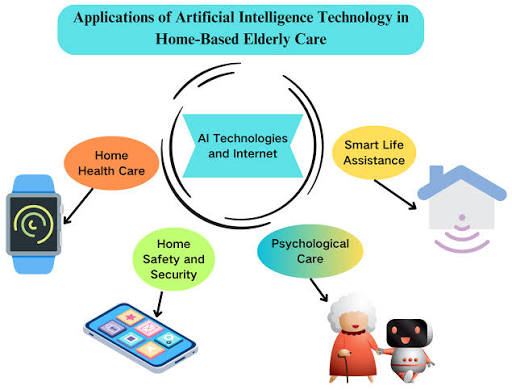
Remote Patient Monitoring
Wearable devices powered by AI continuously monitor:
- Heart rate
- Blood pressure
- Oxygen levels
- Sleep patterns
- Blood glucose
Doctors receive real-time health data, allowing them to detect problems before they become emergencies.
AI-Assisted Surgery
Robotic surgical systems supported by AI help surgeons perform highly precise procedures with:
- Smaller incisions
- Less blood loss
- Faster recovery
- Lower risk of complications
AI enhances surgical accuracy while surgeons remain in full control.
Challenges
Despite its benefits, AI in healthcare faces several challenges:
- Patient privacy
- Data security
- Regulatory compliance
- High implementation costs
- Ethical concerns
- Need for human oversight
Healthcare providers must ensure AI systems remain transparent, secure, and fair.
The Future
Future hospitals will rely heavily on AI-powered diagnostics, robotic assistants, predictive healthcare, and personalized medicine. AI will continue supporting healthcare professionals rather than replacing them, improving both efficiency and patient outcomes.
Conclusion
Artificial Intelligence is transforming healthcare into a smarter, faster, and more patient-centered system. From early diagnosis and personalized treatments to advanced surgeries and drug discovery, AI is saving lives and improving healthcare worldwide. As technology continues to evolve, AI will become an even more valuable partner in delivering high-quality medical care.
Keywords: AI Healthcare, Artificial Intelligence, Medical Technology, Digital Health, Smart Hospitals