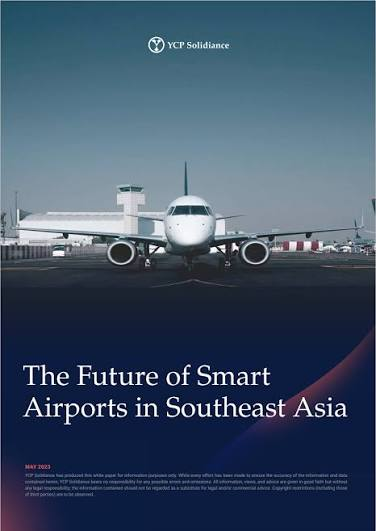
Introduction
Air travel is entering a new era as airports around the world adopt advanced technologies to improve efficiency, security, and passenger satisfaction. Known as smart airports, these modern transportation hubs use Artificial Intelligence (AI), the Internet of Things (IoT), biometric systems, automation, and data analytics to create a faster, safer, and more personalized travel experience. As global passenger numbers continue to grow, smart airports are becoming essential for meeting the demands of modern aviation.
What Is a Smart Airport?
A smart airport integrates digital technologies into its daily operations to optimize services for passengers, airlines, and airport staff. By connecting various systems through real-time data, airports can improve everything from check-in and baggage handling to security screening and flight management.
Key Technologies Behind Smart Airports
Artificial Intelligence (AI)
AI helps airports predict passenger traffic, optimize staffing, monitor security cameras, and provide virtual customer assistance through intelligent chatbots.
Biometric Identification
Facial recognition and fingerprint scanning are replacing traditional boarding passes and passports at many airports. These systems speed up identity verification while enhancing security.
Internet of Things (IoT)
IoT devices monitor airport equipment, baggage systems, lighting, air conditioning, and passenger movement. Real-time data helps airport managers respond quickly to changing conditions.
Automated Baggage Handling
Modern baggage systems use robotics and AI to sort and transport luggage more accurately, reducing delays and minimizing lost baggage.
Smart Security Screening
Advanced scanners and AI-powered threat detection systems make security checks faster without compromising passenger safety.
Benefits for Travelers
Smart airports offer numerous advantages, including:
- Faster check-in and boarding
- Reduced waiting times
- Improved baggage tracking
- Enhanced airport security
- Personalized travel notifications
- Easier navigation through digital maps
- Contactless payment and services
- Better accessibility for passengers with disabilities
These improvements create a smoother and more enjoyable travel experience.
Benefits for Airport Operators
Airport authorities also benefit from digital transformation by:
- Reducing operational costs
- Improving energy efficiency
- Enhancing resource management
- Predicting maintenance needs
- Increasing flight punctuality
- Strengthening cybersecurity
- Improving emergency response planning
Data-driven decision-making allows airports to operate more efficiently while accommodating growing passenger demand.
Sustainability in Smart Airports
Many smart airports are also focusing on environmental sustainability by:
- Using renewable energy sources
- Installing energy-efficient lighting systems
- Implementing smart waste management
- Reducing water consumption
- Supporting electric ground vehicles
- Monitoring carbon emissions
These initiatives help reduce the environmental impact of aviation infrastructure.
Challenges
Despite their advantages, smart airports face several challenges:
- High implementation costs
- Data privacy concerns
- Cybersecurity threats
- Integration with older airport systems
- Staff training requirements
Addressing these issues will be crucial for successful long-term adoption.
The Future of Air Travel
Future smart airports may feature fully autonomous baggage systems, AI-powered air traffic management, robotic customer service assistants, digital twins for airport operations, and seamless biometric travel from arrival to boarding. As technology continues to evolve, airports will become more connected, efficient, and environmentally responsible.
Conclusion
Smart airports are transforming air travel by combining advanced technologies with passenger-focused services. Through AI, automation, biometric identification, and sustainable practices, they are making travel faster, safer, and more convenient. As more airports embrace digital innovation, smart airports will play a central role in shaping the future of global aviation.
Keywords: Smart Airports, Air Travel, Aviation Technology, Artificial Intelligence, Biometric Security, IoT, Airport Innovation