ntroduction
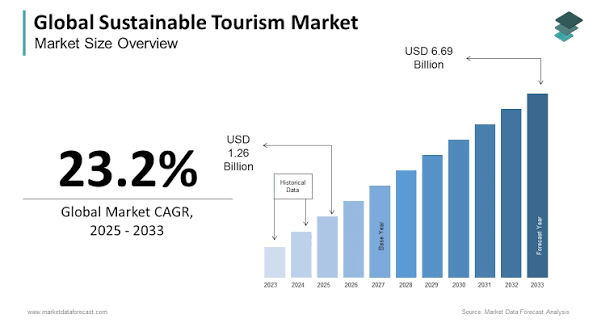
As environmental awareness continues to grow, travelers are becoming more conscious of their impact on the planet. In 2026, eco-friendly tourism is no longer a niche movement—it has become a major trend in the global travel industry. Tourists are choosing destinations, accommodations, and activities that promote sustainability while protecting natural ecosystems and supporting local communities. Governments, airlines, hotels, and tour operators are also adopting greener practices to meet the increasing demand for responsible travel.
What Is Eco-Friendly Tourism?
Eco-friendly tourism, also known as sustainable tourism, focuses on minimizing environmental damage while maximizing positive social and economic benefits. It encourages travelers to respect nature, preserve cultural heritage, and contribute to local economies without overusing natural resources.
Major Eco-Friendly Tourism Trends in 2026
Sustainable Hotels
Many hotels are reducing their environmental footprint by using solar energy, energy-efficient appliances, water-saving systems, and eco-friendly building materials. Plastic waste is being replaced with reusable or biodegradable alternatives.
Green Transportation
Travelers are increasingly choosing electric vehicles, hybrid buses, bicycles, and public transportation. Airlines are investing in sustainable aviation fuel (SAF) and fuel-efficient aircraft to reduce carbon emissions.
Community-Based Tourism
Visitors are supporting local businesses by staying in family-owned accommodations, purchasing handmade products, and participating in authentic cultural experiences that directly benefit local residents.
Nature Conservation Tourism
Eco-tourists are joining activities that protect wildlife and natural habitats, including tree planting, coral reef restoration, wildlife conservation programs, and national park initiatives.
Slow Travel
Instead of visiting multiple destinations in a short time, travelers are spending more time in fewer locations. This reduces transportation emissions while allowing deeper cultural experiences.
Digital Travel Planning
AI-powered travel platforms help tourists find environmentally friendly accommodations, calculate carbon footprints, and recommend sustainable travel options.
Benefits of Eco-Friendly Tourism
Sustainable tourism provides many advantages:
- Reduces environmental pollution
- Protects wildlife and biodiversity
- Supports local communities
- Preserves cultural traditions
- Creates sustainable employment
- Promotes responsible travel habits
- Encourages conservation of natural resources
Challenges
Despite its growth, eco-friendly tourism faces several challenges:
- Higher costs for sustainable infrastructure
- Limited awareness among travelers
- Greenwashing by some businesses
- Balancing tourism growth with environmental protection
- Climate change affecting natural attractions
Governments and tourism organizations must work together to address these issues.
The Future of Sustainable Travel
Future tourism will increasingly rely on AI, smart destination management, renewable energy, electric transportation, and carbon-neutral travel initiatives. Travelers will also play a greater role by making environmentally responsible choices throughout their journeys.
Conclusion
Eco-friendly tourism in 2026 represents a positive shift toward more responsible and sustainable travel. By choosing greener transportation, environmentally friendly accommodations, and community-focused experiences, travelers can help protect the planet while enjoying meaningful adventures. Sustainable tourism ensures that future generations will continue to experience the beauty and diversity of the world’s natural and cultural treasures.
Keywords: Eco-Friendly Tourism, Sustainable Travel, Green Tourism, Responsible Travel, Environmental Conservation, Sustainable Development
