Introduction
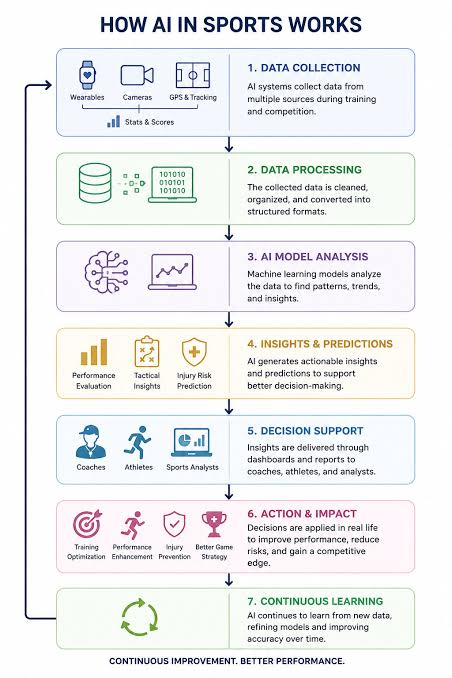
Artificial Intelligence (AI) is transforming the world of sports by providing athletes, coaches, and teams with powerful tools to analyze performance, improve training, and make smarter decisions. From professional football and basketball to athletics and tennis, AI is helping sports organizations gain valuable insights from data that were once impossible to obtain. By combining machine learning, computer vision, wearable technology, and real-time analytics, AI is redefining how sports performance is measured and enhanced.
What Is AI-Powered Sports Performance Analysis?
Sports performance analysis involves collecting and evaluating data to understand an athlete’s strengths, weaknesses, and overall performance. AI automates this process by analyzing large amounts of information from cameras, sensors, GPS trackers, and wearable devices. It identifies patterns, predicts outcomes, and provides recommendations that help athletes perform at their best.
Key Applications of AI in Sports
Performance Tracking
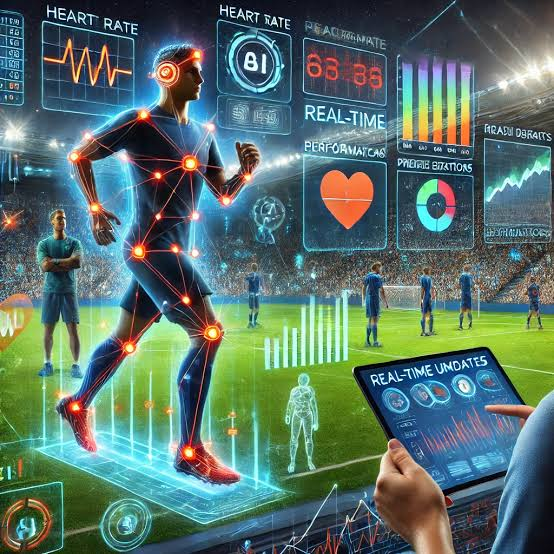
Wearable devices equipped with AI monitor important metrics such as:
- Heart rate
- Speed and acceleration
- Distance covered
- Body temperature
- Muscle fatigue
- Sleep quality
This real-time data helps coaches adjust training programs according to each athlete’s physical condition.
Video Analysis
AI-powered video analysis can automatically track player movements, ball possession, passing accuracy, shooting efficiency, and tactical positioning. Coaches use these insights to improve team strategies and individual skills.
Injury Prevention
AI analyzes movement patterns and workload data to identify signs of fatigue or potential injuries before they become serious. Medical staff can then recommend rest, rehabilitation, or changes in training intensity, helping athletes stay healthy throughout the season.
Tactical Decision-Making
AI evaluates opponents’ playing styles, formations, and previous performances to recommend game strategies. Coaches can use predictive analytics to make informed decisions during matches.
Talent Identification
Scouts are increasingly using AI to analyze thousands of players worldwide. By comparing statistics, physical performance, and technical skills, AI helps identify promising young talent more efficiently.
Benefits of AI in Sports
The use of AI offers numerous advantages:
- More accurate performance analysis
- Personalized training programs
- Faster tactical planning
- Reduced injury risk
- Better player development
- Improved scouting and recruitment
- Real-time decision support
- Enhanced team performance
These benefits help athletes reach higher levels of performance while giving teams a competitive advantage.
Challenges
Despite its many benefits, AI adoption in sports also presents challenges:
- High implementation costs
- Data privacy concerns
- Dependence on high-quality data
- Cybersecurity risks
- Need for skilled analysts
- Balancing technology with human judgment
Successful implementation requires combining AI insights with the experience of coaches and sports professionals.
The Future of AI in Sports
Future AI systems will become even more advanced through technologies such as digital twins, augmented reality training, robotic coaching assistants, and predictive performance models. Athletes may train in virtual environments where AI simulates real-game situations, allowing them to practice decision-making under realistic conditions. AI will also continue improving officiating, fan engagement, and sports broadcasting.
Conclusion
Artificial Intelligence is revolutionizing sports performance analysis by turning data into actionable insights. From injury prevention and tactical planning to personalized training and talent identification, AI is helping athletes and teams perform at their highest level. As technology continues to evolve, AI will become an even more valuable partner in shaping the future of sports.
Keywords: AI in Sports, Sports Performance Analysis, Artificial Intelligence, Sports Analytics, Athlete Performance, Wearable Technology