Introduction
Education is the foundation of a nation’s progress, empowering individuals with knowledge, skills, and opportunities to improve their lives. In Pakistan, education has made significant strides over the years, yet the country continues to face numerous challenges that affect access to quality learning. Factors such as poverty, inadequate infrastructure, teacher shortages, and unequal educational opportunities hinder the development of a strong education system.
Addressing these challenges requires collaboration between the government, educational institutions, communities, and the private sector. By investing in education and embracing innovative solutions, Pakistan can build a brighter future for its youth and strengthen its economy.
Major Educational Challenges in Pakistan
1. Limited Access to Education
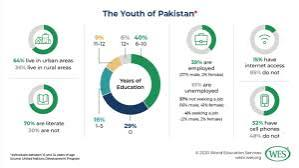
Many children, particularly in rural and remote areas, have limited access to schools. Long travel distances, lack of transportation, and insufficient educational facilities prevent many students from receiving formal education.
Girls often face additional barriers due to cultural norms, safety concerns, and limited educational opportunities in certain regions.
2. Poor Educational Infrastructure
Numerous schools lack basic facilities such as:
- Clean drinking water
- Functional classrooms
- Electricity
- Libraries
- Science laboratories
- Computer labs
- Proper sanitation
Poor infrastructure creates an unfavorable learning environment and discourages student attendance.
3. Teacher Shortages and Training
Qualified teachers play a crucial role in student success. However, many schools experience shortages of trained educators, especially in rural communities.
Continuous professional development and modern teaching methods are essential to improve classroom learning and student engagement.
4. High Dropout Rates
Many students leave school before completing their education due to:
- Financial difficulties
- Child labor
- Early marriages
- Family responsibilities
- Lack of nearby schools
Reducing dropout rates remains one of Pakistan’s biggest educational priorities.
5. Quality of Education
While enrollment has increased in recent years, maintaining quality education remains challenging.
Common issues include:
- Outdated teaching methods
- Memorization-based learning
- Limited practical activities
- Insufficient critical thinking development
- Weak assessment systems
Modern education should encourage creativity, innovation, and problem-solving skills.
6. Digital Divide
Technology has transformed education worldwide, but many students in Pakistan still lack access to:
- High-speed internet
- Computers
- Digital learning platforms
- Online educational resources
The digital divide became especially evident during online learning initiatives.
7. Education Inequality
Educational opportunities differ greatly between:
- Urban and rural areas
- Public and private schools
- Wealthy and low-income families
Reducing these inequalities is essential for inclusive national development.
Effective Solutions
Increase Education Funding
Higher investment in education can improve:
- School construction
- Teacher recruitment
- Learning resources
- Technology integration
- Student scholarships
Consistent funding supports long-term educational development.
Improve Teacher Training
Professional training programs should focus on:
- Modern teaching techniques
- Classroom management
- Digital education tools
- Student-centered learning
- Continuous professional development
Well-trained teachers inspire students to achieve their full potential.
Expand Digital Learning
Technology can make education more accessible through:
- Online classrooms
- Educational mobile applications
- Virtual libraries
- Smart classrooms
- Interactive learning platforms
Affordable internet access can significantly improve educational opportunities.
Strengthen Technical and Vocational Education
Technical education prepares students with practical skills needed in industries such as:
- Information Technology
- Engineering
- Healthcare
- Agriculture
- Manufacturing
- Entrepreneurship
Skill-based education increases employment opportunities and supports economic growth.
Encourage Girls’ Education
Providing safe schools, scholarships, transportation, and community awareness programs can increase female enrollment and reduce gender disparities.
Educated women contribute significantly to healthier families, stronger communities, and national development.
Modernize the Curriculum
An updated curriculum should emphasize:
- Critical thinking
- Communication skills
- Digital literacy
- Artificial Intelligence awareness
- Environmental education
- Financial literacy
- Entrepreneurship
Preparing students for future careers requires education that reflects modern global needs.
The Role of Parents and Communities
Parents and local communities play an important role by:
- Encouraging regular school attendance
- Supporting children’s learning at home
- Participating in school activities
- Promoting the importance of education
Strong community involvement helps improve educational outcomes.
Looking Ahead
Pakistan has enormous potential to strengthen its education system. Continued investment, technological innovation, effective educational policies, and public-private partnerships can transform learning opportunities across the country.
Educating today’s youth means building tomorrow’s leaders, scientists, entrepreneurs, and innovators.
Conclusion
Education is the key to Pakistan’s sustainable development and future prosperity. Although challenges such as inadequate infrastructure, unequal access, teacher shortages, and the digital divide remain significant, practical solutions are available. By prioritizing quality education, investing in teachers, expanding digital learning, and ensuring equal opportunities for all children, Pakistan can create a stronger, more inclusive education system that empowers future generations.