Introduction
Life is filled with challenges, uncertainties, and unexpected changes. While difficult situations can be overwhelming, they also provide opportunities for personal growth and self-discovery. Resilience is the ability to recover from setbacks, adapt to change, and continue moving forward despite adversity.
Resilient individuals do not avoid challenges; instead, they develop the strength and confidence to face them with determination. Building resilience helps people manage stress, overcome obstacles, and achieve long-term success in both personal and professional life.
What Is Resilience?
Resilience is the capacity to bounce back from difficult experiences while maintaining a positive outlook. It involves emotional strength, adaptability, and perseverance.
Resilient people understand that setbacks are temporary and use them as learning experiences rather than allowing them to define their future.
Why Resilience Matters
Resilience enables individuals to:
- Handle stress more effectively
- Adapt to unexpected changes
- Build self-confidence
- Maintain emotional well-being
- Solve problems creatively
- Stay motivated during difficult times
These qualities contribute to healthier relationships, improved career performance, and greater life satisfaction.
Developing a Positive Mindset
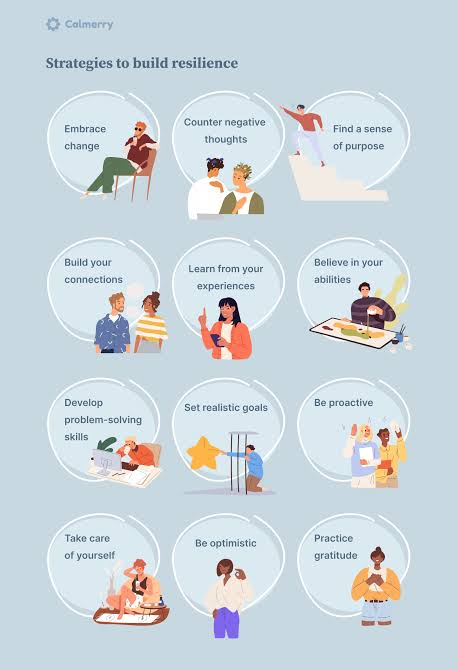
A positive mindset is the foundation of resilience. Instead of focusing only on problems, resilient individuals concentrate on finding solutions and learning from their experiences.
Positive thinking encourages hope, confidence, and determination, making it easier to overcome challenges.
Learning from Failure
Failure is a natural part of personal and professional growth. Every setback provides valuable lessons that contribute to future success.
Successful individuals often view failure as an opportunity to improve skills, gain experience, and develop greater resilience.
Building Strong Support Networks
Family members, friends, mentors, and colleagues provide encouragement during difficult times.
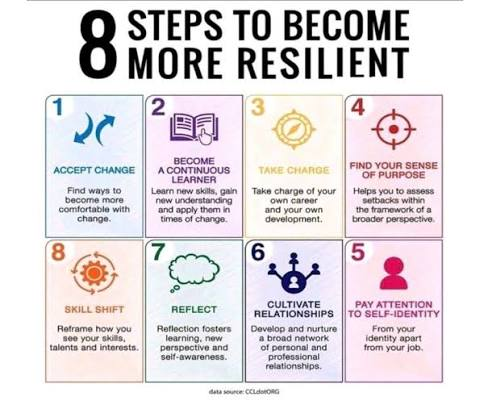
Strong relationships create emotional support systems that help individuals cope with stress and maintain perspective during challenging situations.
Developing Problem-Solving Skills
Resilient individuals approach challenges systematically by:
- Identifying the problem
- Evaluating possible solutions
- Making informed decisions
- Learning from outcomes
Strong problem-solving skills increase confidence and reduce feelings of helplessness.
Practicing Self-Care
Physical and emotional health play important roles in resilience.
Healthy habits include:
- Regular exercise
- Balanced nutrition
- Sufficient sleep
- Relaxation techniques
- Time for hobbies and recreation
Self-care improves emotional stability and prepares individuals to handle future challenges.
Embracing Change
Change is an inevitable part of life. Resilient individuals remain flexible and open to new opportunities rather than resisting change.
Adaptability allows people to adjust quickly to changing circumstances while maintaining their goals.
Setting Realistic Goals
Breaking larger goals into smaller, achievable steps helps maintain motivation and creates a sense of accomplishment.
Each small success builds confidence and strengthens resilience over time.