Introduction
Cultural diversity is one of the greatest strengths of human society. It refers to the presence of different cultures, traditions, languages, religions, and lifestyles within a community or nation. Social harmony, on the other hand, is the peaceful coexistence of people from diverse backgrounds. In today’s interconnected world, embracing cultural diversity is essential for promoting mutual understanding, respect, and social harmony.
Understanding Cultural Diversity
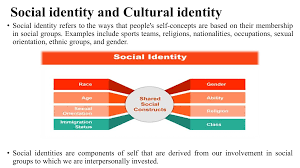
Cultural diversity exists when people from various ethnic, religious, and social groups live together while preserving their unique identities. Each culture contributes valuable perspectives, customs, and traditions that enrich society. Diversity allows individuals to learn from one another and appreciate the richness of human experiences.
The Importance of Cultural Diversity
1. Promotes Mutual Understanding
Interaction among people from different cultural backgrounds helps break stereotypes and misconceptions. It encourages understanding, tolerance, and acceptance of differences.
2. Enriches Society
Different cultures bring unique ideas, traditions, cuisines, arts, and languages. This cultural exchange enhances creativity, innovation, and social development.
3. Encourages Global Citizenship
Cultural diversity helps individuals develop a broader perspective of the world. It prepares people to live and work in multicultural environments and promotes respect for humanity as a whole.
4. Strengthens Communities
Communities that embrace diversity often experience stronger social bonds and greater cooperation. People learn to work together despite their differences, creating a more inclusive society.
The Role of Social Harmony
Social harmony is essential for maintaining peace and stability within society. It is built on respect, equality, justice, and cooperation among all members of the community. Harmonious societies experience lower levels of conflict and greater opportunities for growth and development.
How Cultural Diversity Promotes Social Harmony
Respect for Differences
When people appreciate cultural differences, they are more likely to treat others with respect and dignity. This reduces discrimination and promotes peaceful coexistence.
Effective Communication
Open communication among diverse groups helps resolve misunderstandings and strengthens relationships. Dialogue encourages cooperation and mutual trust.
Equal Opportunities
Providing equal opportunities regardless of cultural background promotes fairness and social inclusion. It ensures that everyone can contribute to society and achieve their potential.
Shared Values
Although cultures may differ, many values such as honesty, kindness, respect, and compassion are universal. Focusing on these shared values helps unite communities.
Challenges to Cultural Diversity
Despite its benefits, cultural diversity can sometimes lead to misunderstandings, prejudice, or social tensions. Lack of awareness and intolerance may create divisions within society. Education, dialogue, and inclusive policies are important tools for overcoming these challenges.
Promoting Cultural Diversity and Social Harmony
- Encourage intercultural education and awareness.
- Respect different traditions and beliefs.
- Promote equality and human rights.
- Support community activities that bring diverse groups together.
- Foster open-mindedness and tolerance among individuals.
Conclusion
Cultural diversity and social harmony are essential for building peaceful, inclusive, and prosperous societies. Diversity enriches communities by bringing together different perspectives and experiences, while social harmony ensures that people live together with respect and understanding. By embracing cultural differences and promoting unity, we can create a world where everyone feels valued and respected.