Introduction
In today’s competitive and rapidly changing business environment, organizations must have a clear direction to achieve their goals and remain successful. Strategic planning is a systematic process that helps organizations define their vision, set objectives, and develop strategies to achieve long-term success. It serves as a roadmap that guides decision-making and ensures that resources are used effectively.
What is Strategic Planning?
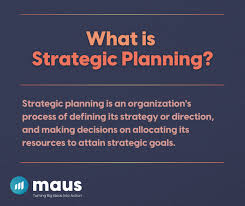
Strategic planning is the process of determining an organization’s future direction and making decisions on allocating resources to achieve its goals. It involves analyzing the current situation, identifying opportunities and challenges, setting objectives, and creating action plans to reach desired outcomes.
According to management experts, strategic planning helps organizations align their activities with their mission and vision while adapting to changes in the external environment.
Importance of Strategic Planning
1. Provides Clear Direction
Strategic planning gives organizations a clear sense of purpose and direction. It helps employees understand the organization’s goals and their role in achieving them.
2. Improves Decision-Making
A well-developed strategic plan provides a framework for making informed decisions. Managers can evaluate options based on long-term objectives rather than short-term pressures.
3. Enhances Resource Allocation
Strategic planning ensures that financial, human, and technological resources are allocated efficiently to support organizational priorities.
4. Increases Organizational Effectiveness
Organizations with clear strategies are better able to coordinate activities, improve performance, and achieve desired results.
5. Encourages Adaptability
Strategic planning helps organizations anticipate changes in the business environment and respond effectively to challenges and opportunities.
Key Components of Strategic Planning
Vision Statement
A vision statement describes what the organization aims to achieve in the future. It provides inspiration and long-term direction.
Mission Statement
A mission statement defines the organization’s purpose, values, and primary objectives.
Goals and Objectives
Goals are broad outcomes the organization seeks to achieve, while objectives are specific and measurable targets.
Environmental Analysis
Organizations analyze internal strengths and weaknesses as well as external opportunities and threats through a SWOT analysis.
Action Plans
Action plans outline the specific activities, responsibilities, timelines, and resources required to achieve strategic objectives.
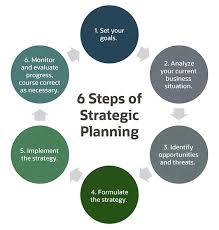
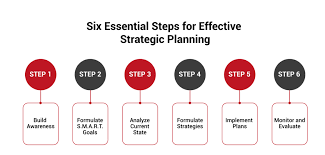
Steps in the Strategic Planning Process
1. Define Mission and Vision
Establish a clear mission and vision that reflect the organization’s purpose and future aspirations.
2. Conduct Environmental Analysis
Assess internal and external factors affecting organizational performance.
3. Set Strategic Goals
Develop realistic and measurable goals aligned with the organization’s vision.
4. Formulate Strategies
Create strategies that leverage strengths, address weaknesses, capitalize on opportunities, and minimize threats.
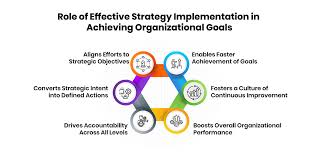
5. Implement the Plan
Put strategies into action by assigning responsibilities and allocating resources.
6. Monitor and Evaluate Progress
Regularly review performance and make adjustments when necessary to ensure goals are achieved.
Benefits of Strategic Planning
- Improved organizational performance
- Better coordination and communication
- Increased employee engagement
- Enhanced competitiveness
- Greater flexibility and adaptability
- Long-term sustainability and growth
Challenges in Strategic Planning
Organizations may face challenges such as resistance to change, limited resources, uncertain market conditions, and poor communication. Effective leadership and stakeholder involvement are essential for overcoming these obstacles.
Conclusion
Strategic planning is a vital management tool that enables organizations to achieve long-term success. By establishing a clear vision, setting achievable goals, and implementing effective strategies, organizations can improve performance, adapt to changing environments, and maintain a competitive advantage. A well-executed strategic plan not only guides organizational growth but also ensures sustainable success in the future.