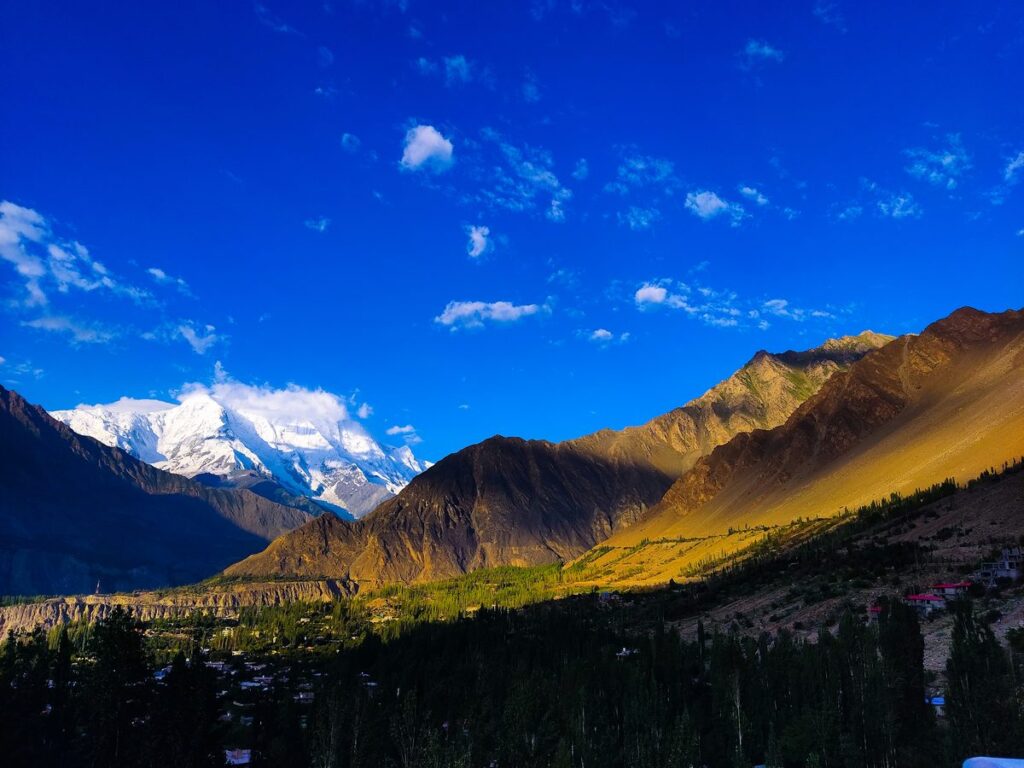
When travelers dream of epic mountain journeys, they usually picture the Alps or the Himalayas of Nepal. But tucked into Pakistan’s far north lies one of Asia’s great mountain wonderlands — the high valleys of Gilgit-Baltistan and northern Khyber Pakhtunkhwa, where 7,000-meter peaks tower over turquoise lakes, ancient forts, and apricot orchards. Best of all for students: it is astonishingly affordable. Here is how to explore northern Pakistan’s hidden gems without emptying your wallet.
Why Northern Pakistan Should Be on Your List
Landscapes that rival anywhere on Earth
This is where the Karakoram, Himalaya, and Hindu Kush ranges collide — the greatest concentration of high peaks on the planet. Glaciers longer than many countries, alpine lakes of impossible blue, and meadows framed by sheer rock walls: the scenery genuinely belongs in the same conversation as Patagonia or the Swiss Alps.
Surprisingly affordable
A bed in a decent guesthouse can cost less than a fast-food meal back home, local transport is cheap, and the best attraction — the mountains themselves — is free. A week in the north can cost less than a single night in a European hostel. For students, the value is unbeatable.
Hunza Valley: The Crown Jewel
Hunza is the valley that converts skeptics. Terraced fields and blossoming orchards cling to mountainsides beneath peaks like Rakaposhi and Ultar Sar, while the 700-year-old Baltit and Altit Forts watch over the villages of Karimabad and Duikar.
Don’t miss
Sunrise at Duikar (Eagle’s Nest) viewpoint, the turquoise Attabad Lake formed by a 2010 landslide, the swaying Hussaini suspension bridge for thrill-seekers, and the otherworldly Passu Cones — a serrated wall of rock that looks computer-generated. In spring, cherry and apricot blossom turn the whole valley pink and white.
Budget tips
Stay in family-run guesthouses in Karimabad or Aliabad rather than the pricier resorts. Eat where locals eat — chapli kebabs, daal, and fresh tandoori naan cost very little. Shared jeeps and vans between sights are a fraction of private hire; team up with other travelers to split costs.
Skardu and Deosai: Lakes, Deserts, and High Plains
Further east, Skardu is the gateway to some of the region’s most surreal scenery. Shangrila and Upper Kachura lakes glow impossibly blue against red-rock cliffs, the Cold Desert of Shigar has actual sand dunes at 2,200 meters, and the Deosai Plains — one of the world’s highest plateaus — burst into wildflower meadows in summer, with Himalayan brown bears roaming in the distance. Sheosar Lake, glassy and remote, rewards those who make the bumpy jeep ride up.
Fairy Meadows and the Killer Mountain
Fairy Meadows is the stuff of legend: a lush alpine plateau staring directly at the 8,126-meter Nanga Parbat, the world’s ninth-highest peak. Getting there is half the adventure — a white-knuckle jeep track followed by a two-to-three-hour trek. Budget travelers can stay in simple wooden huts or camp, falling asleep to the sound of glaciers cracking in the dark. Go with a group to share jeep costs, and bring warm layers: mountain weather changes fast.
Naran, Kaghan, and Swat: Closer to Home
If the Karakoram feels too far, the Kaghan Valley (Naran, Shogran, Siri Paye) and Swat Valley (Kalam, Malam Jabba, Mahodand Lake) offer stunning mountains a shorter journey from Islamabad. These areas have more developed tourist infrastructure, frequent public transport, and plenty of budget hotels — ideal for a first trip or a long weekend.
Getting There on a Student Budget
Transport
Overnight buses and vans from major cities to Gilgit or Skardu are comfortable and cheap; the legendary Karakoram Highway journey is an experience in itself. Within the north, shared Hiace vans and jeeps connect the valleys. Flights to Gilgit and Skardu exist but cost far more — save them for emergencies or landslides.
Where to stay
Guesthouses and hostels run by local families are the backbone of budget travel here — clean, friendly, and often including home-cooked meals. Camping is possible in designated areas like Fairy Meadows and Deosai. Book the first night in advance during peak summer season, then negotiate directly for longer stays.
Practical Tips for Student Travelers
Best time to visit
Late April to June brings blossom and mild weather; July to September is peak season with full access to high valleys like Deosai; October offers golden autumn colors. Winter is harsh and many roads close — beautiful, but only for the well-prepared.
Respect local culture
The northern valleys are known for hospitality, but dress modestly, ask before photographing people, and learn a few words of greeting. Your respect will be repaid many times over in kindness — and probably in cups of chai.
Conclusion
Northern Pakistan proves that the world’s greatest adventures do not require a trust fund. With a backpack, a student budget, and a sense of wonder, you can stand beneath 8,000-meter giants, sail on turquoise lakes, and sleep in meadows that look painted. Go now, travel gently, spend locally — and bring back stories no classroom can teach.
References
Wikipedia — Hunza Valley: https://en.wikipedia.org/wiki/Hunza_Valley
Lonely Planet — Pakistan travel guide: https://www.lonelyplanet.com/destinations/pakistan
#Travel #Pakistan #BudgetTravel #Adventure #Students
