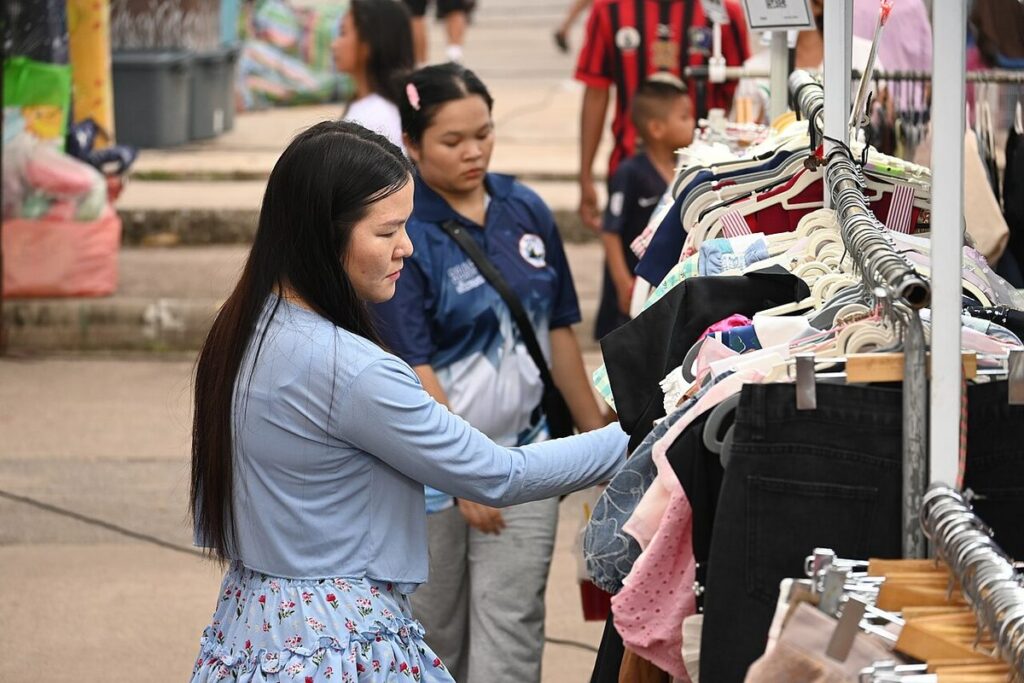
That $8 T-shirt feels like a bargain — until you learn what it really costs. The fashion industry is one of the world’s biggest polluters, and the fast fashion model of cheap, disposable clothing is at the heart of the problem. Students, as some of the industry’s biggest customers, have more power to change this than they realize. Here is what is really going on, and what you can practically do about it.
What Is Fast Fashion, Exactly?
Fast fashion means rapidly producing inexpensive clothing in response to the latest trends — new collections dropping weekly instead of seasonally. The business model depends on you buying more, wearing items fewer times, and throwing them away quickly. Globally, clothing production has roughly doubled since 2000 while the average garment is worn far fewer times before being discarded.
The Environmental Price Tag
Water and chemical pollution
Producing a single cotton T-shirt can consume around 2,700 liters of water — roughly what one person drinks in two and a half years. Dyeing and finishing textiles releases toxic chemicals into rivers in manufacturing regions, devastating local water supplies and ecosystems. Every wash of synthetic clothing also sheds microplastics that flow into oceans.
Mountains of waste
The equivalent of one garbage truck of textiles is landfilled or burned every second. Synthetic fabrics can take centuries to decompose, and even “donated” clothes often end up dumped in countries that never asked for them. The linear model — take, make, dispose — treats the planet as both mine and landfill.
Carbon emissions
The fashion industry accounts for a significant share of global carbon emissions — estimates put it at up to 10 percent, more than international flights and shipping combined. From growing fibers to manufacturing, shipping, and washing, nearly every step burns fossil fuels.
The Human Cost Behind the Price Tag
That $8 shirt is cheap because someone else pays the difference. Garment workers — overwhelmingly young women in developing countries — often earn poverty wages in unsafe conditions with punishing hours. When you understand that your bargain depends on their exploitation, “cheap” starts to look like what it is: a cost shifted onto people you will never meet.
Why Students Are Key to Change
Young people buy the most fast fashion — and they also care the most about the planet. That combination makes students the demographic most able to shift the industry. Brands obsess over student trends; when students demand better, companies listen. You do not need to be perfect to matter. You just need to be intentional.
What You Can Actually Do
Buy less, choose well
The most sustainable garment is the one you never buy. Before purchasing, wait 48 hours and ask: will I wear this at least 30 times? Building a smaller wardrobe of versatile pieces you genuinely love beats a closet full of impulse buys — and it saves serious money.
Thrift and secondhand first
Thrift stores, charity shops, vintage markets, and resale apps are treasure troves for students. Secondhand shopping keeps clothes in use, costs a fraction of new, and turns outfit-hunting into an adventure. Organize clothing swaps with friends — free, fun, and zero-waste.
Care for what you own
Wash clothes less often, in cold water, and air-dry when you can — it saves energy and makes garments last years longer. Learn basic repairs: sewing on a button or patching jeans is easier than YouTube makes it look, and campus repair cafes will teach you for free.
Sell, swap, and donate responsibly
When you are done with something wearable, sell it on resale platforms, swap with friends, or donate to reputable local charities — not anonymous bins of unknown destination. Keep truly worn-out textiles for rags or textile recycling programs rather than landfill.
Spot greenwashing
“Conscious collections” from the same brands pumping out thousands of new styles weekly deserve skepticism. Look past the marketing: check whether a brand publishes supplier lists, uses credible certifications, and — most tellingly — produces fewer, more durable items. Real sustainability changes the business model, not just the advertising.
Conclusion
No one expects students to overhaul the global fashion industry single-handedly. But every thrifted jacket, repaired pair of jeans, and resisted impulse buy is a vote for a different system. Dress with intention, and you will look good, spend less, and tread lighter — proof that style and conscience can share the same wardrobe.
References
UNEP — The environmental costs of fast fashion: https://www.unep.org/news-and-stories/story/environmental-costs-fast-fashion
Wikipedia — Fast fashion: https://en.wikipedia.org/wiki/Fast_fashion
#Environment #FastFashion #Sustainability #ClimateAction
