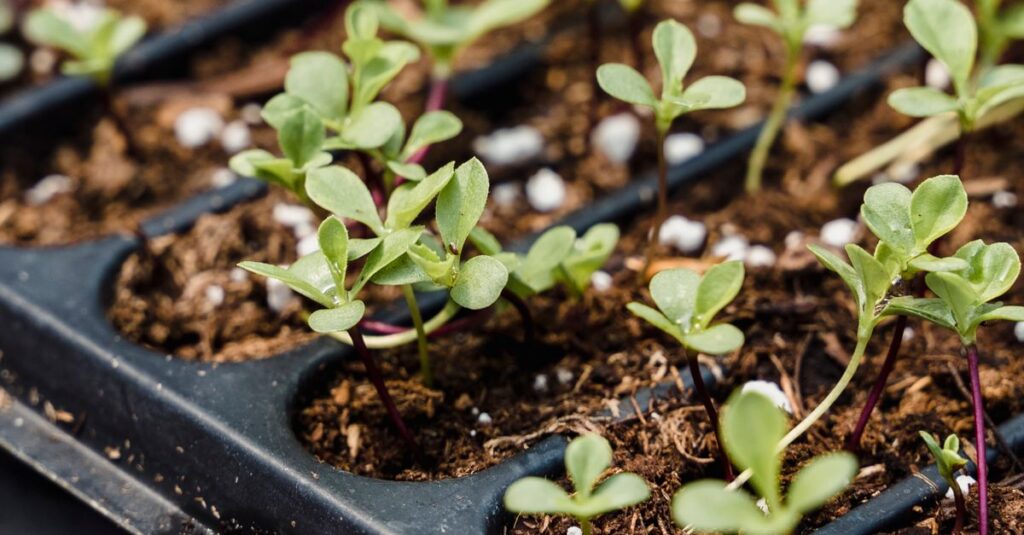
You do not need a backyard to grow food. A windowsill, a narrow balcony, or even a sunny kitchen corner can produce real, edible harvests — herbs, salads, peppers, and more. Urban farming is less about square footage and more about technique: the right containers, the right crops, and a little consistency. For students in apartments or dorms, it is also one of the cheapest ways to cut grocery bills and eat fresher. Here is how to start.
Start by Reading Your Space
Before buying seeds, spend a day watching how sunlight moves through your space. This single observation determines almost everything. Most vegetables fall into three categories: full-sun crops that need 6–8 hours of direct light (tomatoes, peppers), partial-sun crops that need 4–6 hours (many herbs and leafy greens), and low-light tolerant crops that manage on bright indirect light. A narrow balcony with strong afternoon sun is perfect for peppers. A north-facing window that never gets direct sun? Leafy greens, herbs, and microgreens will still thrive there. Match the plant to the light you actually have, not the light you wish you had.
Containers: The Foundation
Container choice matters more than container price. Fabric grow bags are light and breathable. Terracotta pots look good but dry out fast. Plastic pots hold moisture longer. You can even use buckets or wooden crates — just drill drainage holes, because waterlogged roots rot quickly and kill plants faster than almost any other beginner mistake. As a rough guide: herbs and lettuce do fine in pots 6–8 inches deep, peppers want 3–5 gallons, and tomatoes need at least 5 gallons. Bigger containers dry out more slowly, which means less watering stress for beginners.
Use Proper Potting Mix
Do not dig up soil from the ground — it is too dense for containers, compacts easily, and can carry pests. Buy a proper potting mix, or make your own from roughly 40 percent compost, 40 percent coco coir or peat moss, and 20 percent perlite for drainage. Good soil is a one-time investment that prevents a season of problems: poor drainage, stunted growth, and mystery wilting usually trace back to the mix, not the plant.
Pick Beginner-Friendly Crops
Fast results build confidence, so start with crops that forgive mistakes. Leafy greens — lettuce, spinach, arugula — grow quickly and can be harvested leaf by leaf for weeks. Radishes mature in as little as 25–30 days, which makes them perfect for impatient beginners. Herbs like basil, mint, parsley, and chives are nearly indestructible (keep mint in its own pot — it invades everything). Cherry tomatoes and bush peppers are the most rewarding fruiting crops in containers. And microgreens — young seedlings harvested 7–14 days after sowing — grow on any windowsill and pack remarkable nutrition into almost no space.
Grow Up, Not Out
When floor space is limited, vertical is your friend. Trellises let cucumbers and beans climb instead of sprawl. Wall-mounted pocket planters turn a bare wall into a herb garden. Tiered shelves multiply a single square meter into several growing levels. Railing planters and hanging grow bags add production without touching floor space at all. Growing upward can easily double the output of a small balcony.
Watering and Feeding
Containers dry out fast because they are exposed on all sides, so hot weather may mean daily watering. Water deeply until it drains from the bottom rather than sprinkling lightly — deep water builds deeper roots. Yellowing leaves signal overwatering; wilting signals the opposite. Because container roots cannot hunt for nutrients, feed plants with diluted liquid organic fertilizer every two to three weeks.
Handle Pests Without Chemicals
City gardens have fewer pests than rural ones, but aphids, spider mites, and fungus gnats still appear. Check plants weekly — early detection is everything. Neem oil spray, insecticidal soap, or a strong blast of water handle most problems. You are going to eat these plants, so skip chemical pesticides.
Succession Planting: Harvest All Season
Instead of planting everything at once, sow in small batches: lettuce every two weeks, radishes monthly, fresh seedlings where you harvested spinach. This technique — succession planting — turns a small balcony into a steady food source across the whole season.
Grow What You Actually Eat
The most overlooked rule: do not grow eggplants if nobody in your house eats eggplants. Start with the salad greens you already buy, the herbs you cook with weekly, the tomatoes that disappear from your kitchen. A garden that matches your real eating habits pays for itself. Start with three or four crops you genuinely want and expand next season.
References
- Farmstand – 7 Ideas for Urban Farming in Small Spaces That Yield Big Results: vertical gardening, containers, hydroponics, microgreens and mushrooms
- The Ultimate Homestead – Urban Gardening for Beginners: How to Grow Food in Small Spaces: containers, soil, watering, feeding and seasonal planning
#UrbanFarming #Sustainability #Environment #Gardening #Food
