Introduction
Water is one of the most valuable natural resources on Earth. It is essential for human survival, agriculture, industries, and the balance of ecosystems. However, increasing population, pollution, climate change, and overuse of water resources are creating serious challenges. Water conservation and environmental protection are necessary steps to ensure a sustainable and healthy future for all living beings.
Understanding Water Conservation
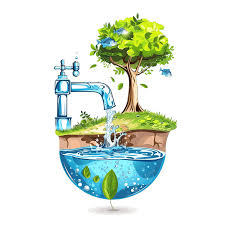
Water conservation refers to the responsible use, protection, and management of water resources. It involves reducing water waste, preventing pollution, and using water efficiently. Conserving water helps maintain natural resources and ensures that future generations have access to clean and safe water.
Importance of Water Conservation
1. Protects Natural Resources
Fresh water is limited, and conserving it helps protect rivers, lakes, groundwater, and other water sources from depletion.
2. Supports Human Life
Clean water is essential for drinking, sanitation, and health. Water conservation ensures that communities have enough water for their daily needs.
3. Protects Ecosystems
Many plants and animals depend on water sources for survival. Conserving water helps protect biodiversity and maintain ecological balance.
4. Reduces Energy Consumption
Treating and supplying water requires energy. Saving water reduces the energy needed for water processing and transportation, helping lower carbon emissions.
5. Helps Fight Climate Change
Efficient water use and protection of natural resources contribute to climate change solutions by reducing environmental stress and promoting sustainability.
Environmental Protection and Its Role
Environmental protection involves actions taken to preserve nature and reduce harmful human impacts on the planet. It includes protecting forests, reducing pollution, conserving wildlife, and promoting sustainable practices.
Ways to Conserve Water and Protect the Environment
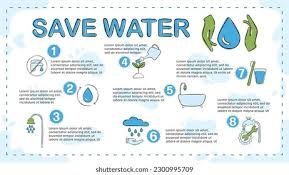
1. Reduce Water Waste
Simple actions such as fixing leaking taps, turning off water when not needed, and using water-efficient appliances can save large amounts of water.
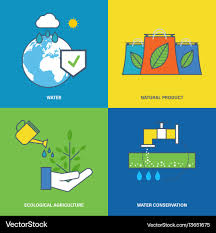
2. Practice Sustainable Agriculture
Farmers can conserve water by using modern irrigation methods, preventing soil erosion, and adopting environmentally friendly farming techniques.
3. Prevent Water Pollution
Avoiding the disposal of chemicals, plastics, and waste into water sources helps maintain clean and healthy water systems.
4. Plant More Trees
Trees help maintain the water cycle, prevent soil erosion, and improve air quality. Reforestation supports both water conservation and environmental protection.
5. Promote Recycling
Recycling reduces waste and decreases the pollution that can harm land and water resources.
6. Spread Awareness
Education and awareness encourage people to adopt responsible habits and participate in environmental conservation efforts.
Role of Individuals
Every person can contribute to water conservation by:
- Using water wisely
- Avoiding unnecessary waste
- Keeping surroundings clean
- Supporting environmental initiatives
- Teaching others about conservation
Challenges in Water Conservation
Water conservation faces challenges such as population growth, industrial pollution, lack of awareness, and poor management of resources. Solving these issues requires cooperation between governments, organizations, and individuals.
Conclusion
Water conservation and environmental protection are essential for maintaining life on Earth. By using water responsibly, reducing pollution, and protecting natural resources, we can create a sustainable environment for present and future generations. Small actions taken today can lead to significant positive changes for our planet.