Chia seeds are everywhere these days, from smoothie bowls to protein bars to overnight oats. They have been called a superfood for years, but is the hype backed by real research? The short answer is yes, mostly. Chia seeds are genuinely one of the most nutrient-dense foods you can add to your diet.
This article looks at what science actually says about the benefits of chia seeds, what they can and cannot do for your health, and how to eat them safely. Everything here is based on published research, not marketing claims.
What Are Chia Seeds?
Chia seeds come from the plant Salvia hispanica, a member of the mint family native to Mexico and Guatemala. They were a staple food for the Aztecs and Mayans centuries ago. The word “chia” is derived from the Mayan word for strength, and these tiny black and white seeds have lived up to that name nutritionally.
Just one ounce, about two tablespoons, of chia seeds contains roughly 138 calories, 11 grams of fiber, 4 grams of protein, 9 grams of fat, and a meaningful dose of calcium, magnesium, phosphorus, and manganese. That combination of fiber, protein, and healthy fats in such a small serving is rare among whole foods.
They are also one of the best plant sources of omega-3 fatty acids, specifically alpha-linolenic acid, or ALA. This makes them especially valuable for vegetarians and vegans who do not eat fish.
Chia Seeds and Heart Health
One of the most studied benefits of chia seeds is their effect on heart health markers. Because they are rich in fiber and omega-3 fatty acids, researchers have investigated whether chia seeds can lower blood pressure, reduce inflammation, and improve cholesterol levels.
Several human studies have found that chia seeds can lower systolic blood pressure in people with hypertension or type 2 diabetes. A 2013 randomized trial published in Diabetes Care found that patients with type 2 diabetes who ate about 37 grams of chia seeds daily for 12 weeks saw reductions in blood pressure and inflammatory markers, with no negative effects on blood sugar or body weight.
The fiber in chia seeds also helps manage cholesterol. Soluble fiber binds to cholesterol in the digestive tract and helps remove it from the body, which can lower LDL cholesterol over time. While the evidence is moderate rather than overwhelming, the direction is consistently positive.
Do Chia Seeds Help With Weight Loss?
Chia seeds are often marketed as a weight-loss food, so let us be honest about what the science shows. Chia seeds are not a magic fat burner, and no single food causes weight loss on its own. However, they can support weight management in real, measurable ways.
Their biggest advantage is satiety. When chia seeds contact liquid, they absorb up to 12 times their weight in water and form a gel. This gel slows digestion and keeps you feeling full longer. A 2017 study found that participants who ate chia seed yogurt reported significantly less hunger than those who did not.
The combination of high fiber, protein, and healthy fats in a low-calorie package makes chia seeds a smart addition to meals for anyone trying to eat less without feeling deprived. They work best as part of a balanced diet, not as a replacement for one.
Chia Seeds for Digestion and Gut Health
With about 11 grams of fiber per ounce, chia seeds deliver nearly 40 percent of the recommended daily fiber intake in just two tablespoons. Almost all of that fiber is insoluble and soluble fiber working together, which is excellent news for your digestive system.
Fiber adds bulk to stool and feeds the beneficial bacteria in your gut. Regular chia seed consumption can help prevent constipation and promote a healthier gut microbiome. The gel-forming soluble fiber also acts as a prebiotic, supporting the growth of good bacteria.
If you are new to high-fiber foods, start with one tablespoon a day and increase gradually. Jumping straight to large amounts of fiber can cause bloating and gas, especially if your current diet is low in fiber.
Blood Sugar Control and Diabetes
Chia seeds may help steady blood sugar levels, which is particularly relevant for people with prediabetes or type 2 diabetes. The gel that chia seeds form in the stomach slows the conversion of carbohydrates into sugar, leading to a gentler rise in blood glucose after meals.
A 2009 study published in the British Journal of Nutrition found that adding chia seeds to bread reduced the post-meal blood sugar response in healthy volunteers. Longer trials in people with type 2 diabetes have shown improvements in markers of metabolic health, including reduced inflammation.
This does not mean chia seeds can replace medication or a proper diabetes management plan. But as part of a fiber-rich diet, they are a genuinely useful tool for blood sugar stability.
How to Eat Chia Seeds Safely
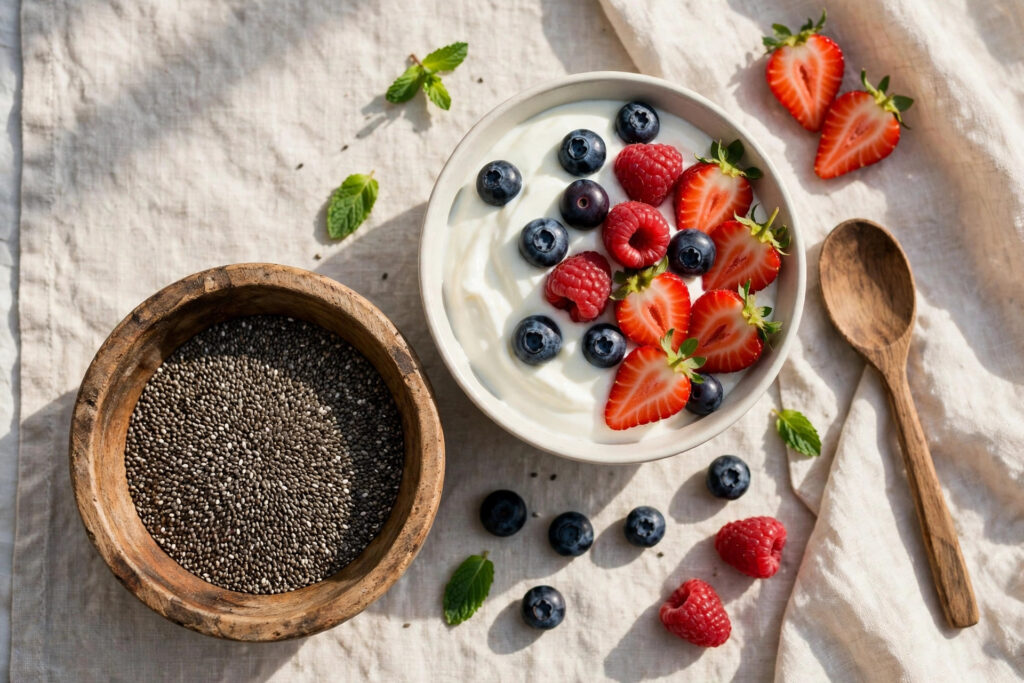
Chia seeds are easy to add to almost any meal. The most popular method is chia pudding: mix three tablespoons of seeds with one cup of milk or yogurt, stir, refrigerate for at least two hours, and top with fruit. Overnight oats, smoothies, and salads are all great vehicles too.
One important safety note: because chia seeds expand dramatically in liquid, never eat a spoonful of dry chia seeds followed by a glass of water. There are rare reports of dry seeds swelling in the throat and causing choking. Always soak them first or mix them into wet foods.
People taking blood thinners or blood pressure medication should talk to their doctor before eating large amounts of chia seeds daily, since the omega-3s and fiber can amplify the effects of these drugs. For most healthy people, two tablespoons a day is a safe and effective amount.
Conclusion
The benefits of chia seeds are real but modest, which is exactly what you should expect from a whole food. Science supports their role in heart health, digestion, blood sugar control, and satiety, even if they are not a miracle cure for anything. Two tablespoons a day, soaked or mixed into food, is a simple and inexpensive way to add fiber, omega-3s, protein, and minerals to your diet. Start small, stay consistent, and let the seeds do what they do best: quietly support a healthy diet.
Sources
- https://www.healthline.com/nutrition/11-proven-health-benefits-of-chia-seeds
- https://www.medicalnewstoday.com/articles/291334
- https://www.webmd.com/diet/health-benefits-chia-seeds
- https://www.hsph.harvard.edu/nutritionsource/food-features/chia-seeds/
- https://pubmed.ncbi.nlm.nih.gov/23666009/
#ChiaSeeds #Superfoods #Nutrition #HealthyEating #WeightLoss #GutHealth #Wellness
