Introduction
Robotics is revolutionizing industries across the globe. From manufacturing plants to hospitals and warehouses, robots are performing tasks with greater speed, precision, and efficiency. As robotic technologies continue to advance, they are reshaping the nature of work and raising important questions about the future of employment.
The Growing Role of Robotics
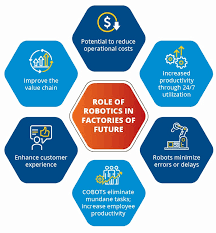
Modern robots are capable of performing repetitive, dangerous, and complex tasks. Industries such as manufacturing, healthcare, agriculture, and logistics increasingly rely on robotics to improve productivity and reduce operational costs. Automated systems can work continuously, leading to higher efficiency and fewer human errors.
Benefits for Employment
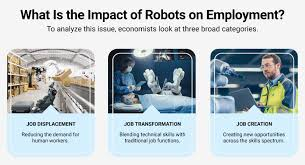
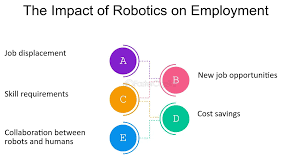
Although robotics may replace certain jobs, it also creates new opportunities. The demand for robotics engineers, software developers, technicians, and AI specialists continues to grow. Robotics can also improve workplace safety by handling hazardous tasks and allowing workers to focus on more creative and strategic responsibilities.
Challenges and Concerns
One of the main concerns is job displacement. Workers performing routine and repetitive tasks may face unemployment if they lack the skills needed for emerging roles. This challenge highlights the importance of education, training, and workforce development programs.
Preparing for the Future
Governments, educational institutions, and businesses must invest in reskilling and upskilling programs. Digital literacy, problem-solving, and technical expertise will become increasingly valuable in the future workforce.
Conclusion
Robotics is transforming employment rather than eliminating it entirely. While some jobs may disappear, many new opportunities will emerge. Success in the robotic age will depend on adaptability, continuous learning, and innovation.

Very impact full 🌝