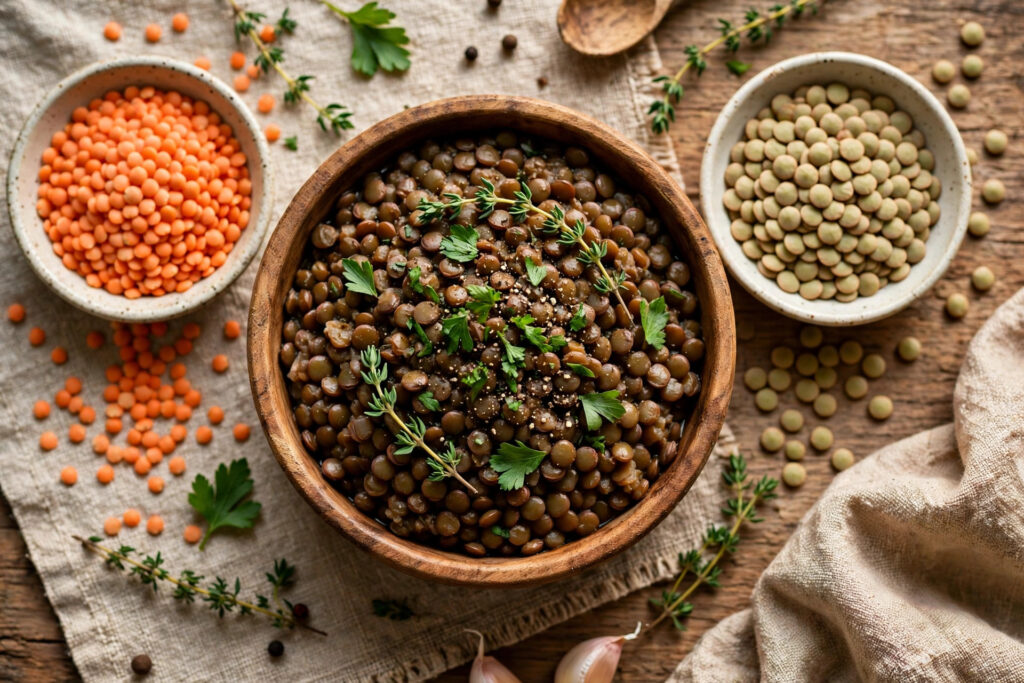
Lentils are small, cheap, and easy to cook, yet they are one of the most nutritious foods you can eat every day. These tiny legumes have been a staple in kitchens across Asia, the Middle East, and the Mediterranean for thousands of years, and modern science keeps confirming what traditional diets already knew. Eating lentils every day can support your heart, your digestion, your energy, and your long-term health.
If you want a simple, affordable way to eat better, lentils are a great place to start. They are packed with plant protein, fiber, iron, and folate, and they fit into soups, salads, curries, and stews. This guide explains the benefits of eating lentils every day and how to add them to your routine.
What Makes Lentils So Nutritious
Lentils belong to the legume family, along with beans, chickpeas, and peas. A single cooked cup provides around 18 grams of protein and about 15 grams of fiber, plus useful amounts of iron, folate, magnesium, potassium, and B vitamins. They are naturally low in fat and free of cholesterol, which makes them a smart choice for everyday eating.
Unlike many protein sources, lentils also deliver slow-digesting complex carbohydrates. That means they release energy gradually instead of causing a quick spike and crash. According to the United States Department of Agriculture, lentils are among the most nutrient-dense foods available for their cost, which is one reason nutrition experts often recommend them for balanced, budget-friendly diets.
Benefits of Eating Lentils Every Day
The benefits of eating lentils every day start with fiber. Lentils are rich in soluble fiber, which feeds the good bacteria in your gut and supports regular digestion. People who eat more fiber often report less bloating and more comfortable digestion over time, especially when they increase their intake gradually and drink enough water.
Lentils are also a strong source of plant-based iron. Iron helps your body make red blood cells and carry oxygen to your tissues. When you eat lentils with a source of vitamin C, such as tomatoes, lemon juice, or bell peppers, your body absorbs the iron more easily. Folate, another key nutrient in lentils, supports healthy cell growth and is especially important during pregnancy.
Lentils and Heart Health
Heart health is one of the best-studied benefits of lentils. The soluble fiber in lentils can help lower LDL cholesterol, often called bad cholesterol, by reducing how much cholesterol is absorbed from food. Lentils also provide potassium and magnesium, two minerals linked to healthy blood pressure.
A study published in The American Journal of Clinical Nutrition found that regular consumption of pulses, including lentils, was linked to improvements in cholesterol levels. While no single food can protect your heart on its own, eating lentils as part of a diet rich in vegetables, whole grains, and healthy fats is a practical step toward better cardiovascular health.
Lentils for Blood Sugar and Weight Management
Lentils have a low glycemic index, which means they raise blood sugar slowly and steadily. This is helpful for people managing blood sugar, including those with type 2 diabetes or prediabetes. The fiber and protein in lentils slow digestion, which helps prevent sharp glucose spikes after a meal.
For weight management, lentils are filling without being high in calories. A bowl of lentil soup can feel satisfying for hours, which makes it easier to eat less overall without feeling deprived. Research on pulses has linked higher intake with better appetite control, and lentils are one of the easiest pulses to cook and eat regularly.
How to Add Lentils to Your Daily Diet
Adding lentils to your daily diet does not require a complete change in how you cook. Red lentils cook in about 15 to 20 minutes and break down into a soft, creamy texture that works well in soups, dals, and stews. Green and brown lentils hold their shape better, so they are ideal for salads, grain bowls, and side dishes.
Try a few simple ideas to get started. Add cooked lentils to a salad with cucumber, tomatoes, and olive oil. Stir red lentils into a vegetable soup for extra protein. Swap half the minced meat in a pasta sauce or taco filling for cooked lentils. Keep a batch in the fridge so you can add it to meals all week.
If you are new to eating lentils every day, start with a smaller portion and increase it over a week or two. Some people feel gassy at first, but this usually improves as the gut adapts, and rinsing canned lentils well can help.
Conclusion
The benefits of eating lentils every day are clear, practical, and backed by solid nutrition science. They support heart health, steady blood sugar, healthy digestion, and lasting fullness, all at a very low cost. You do not need supplements or complicated meal plans to enjoy them. Just add a serving of lentils to one meal a day, vary the recipes, and let this humble legume quietly improve your diet.
#Lentils #HealthyEating #PlantProtein #FiberRich #HeartHealth #Nutrition #Superfoods
