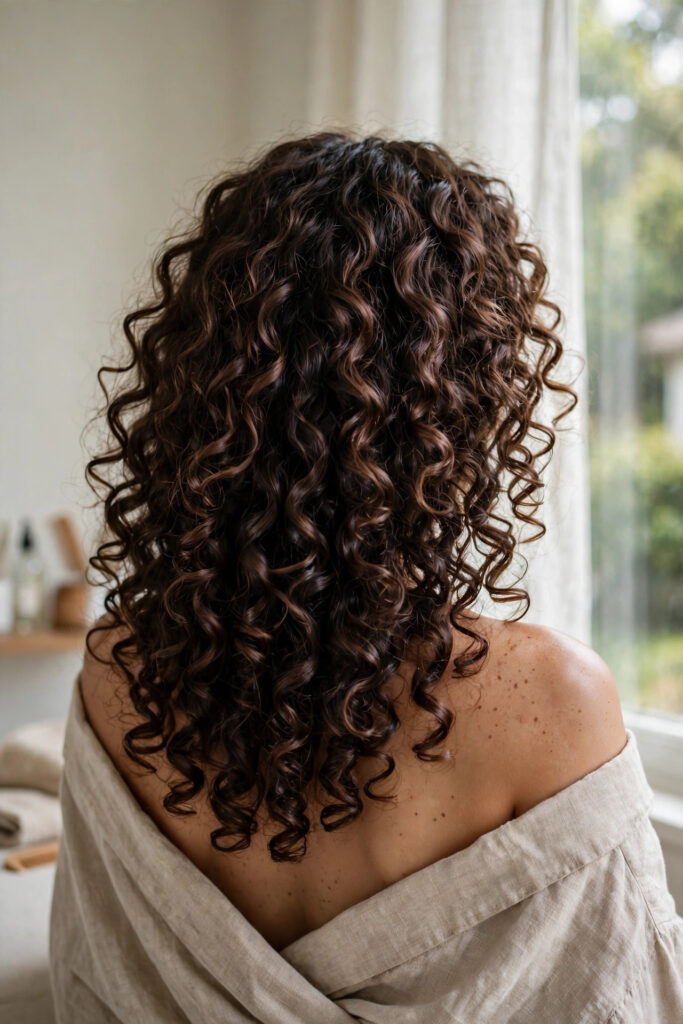
Curly hair is beautiful, unique, and full of personality, but it needs a different kind of care than straight hair. If you are new to curly hair care, the learning curve can feel steep. Frizz, dryness, tangles, and undefined curls are common frustrations, yet most of them come down to using the wrong products or the wrong routine. Healthy, defined curls are within reach once you understand what your hair needs.
Understanding Your Curl Type
Before you buy a single product, it helps to know your curl type. Curly hair is usually grouped into three categories: wavy (type 2), curly (type 3), and coily (type 4). Your curl type affects how much moisture your hair needs and which products work best. Fine, loose curls can be weighed down easily by heavy creams, while thick, coily hair often needs richer butters and oils to stay hydrated.
It also helps to learn about hair porosity, which describes how well your hair absorbs and holds moisture. Low-porosity hair resists water, so lightweight products work best. High-porosity hair absorbs moisture quickly but loses it fast, so it needs heavier creams and sealing oils. To test yours, place a clean strand in a glass of water: if it floats, porosity is likely low, and if it sinks, it is likely high.
Washing Curly Hair the Right Way
Curly hair tends to be drier than straight hair because natural oils from the scalp struggle to travel down the twists of each strand. That is why most routines call for washing just two to three times per week. Washing every day can strip away moisture and leave curls frizzy and brittle. Use a sulfate-free shampoo, and focus it on your scalp, where oil and buildup collect.
Many people with curly hair also try co-washing, which means washing with conditioner instead of shampoo on some days. This can add moisture and reduce dryness, but it is not right for everyone. If you use a lot of styling products or have an oily scalp, you may still need a regular shampoo to prevent buildup. The key is balance: clarify when hair feels coated, and add moisture when it feels dry.
Conditioning and Moisturizing Curly Hair
Conditioner is the most important product in a curly hair care routine. After shampooing, apply a generous amount from the middle of your hair to the ends, where dryness is worst. Leave it in for three to five minutes, then detangle gently with your fingers or a wide-tooth comb while the conditioner is still in. Never brush curly hair when it is dry, as this breaks up the curl pattern and creates frizz.
For extra moisture, add a deep conditioning treatment once a week. A deep conditioner restores hydration and improves elasticity, which helps curls bounce back instead of breaking. After rinsing, apply a leave-in conditioner to damp hair to lock in moisture before styling. The National Institutes of Health notes that hair health is closely linked to overall nutrition and hydration, so healthy habits matter too.
Styling Tips for Defined Curls
Styling curly hair is all about working with your natural pattern, not against it. Apply products to soaking wet or very damp hair for the best definition. A curl cream adds moisture and soft hold, while a gel provides stronger hold and helps curls keep their shape as they dry. Many people use both: cream first for moisture, then gel to lock in the curl. Scrunch the product in, then avoid touching your curls while they dry.
How you dry your hair matters as much as what you put in it. Air-drying is the gentlest option, but it takes time. If you use a hair dryer, attach a diffuser, which spreads the airflow and protects the curl pattern. Use low heat and stop when your hair is about 80 percent dry. Once it is fully dry, scrunch out the gel cast with your hands or a little oil. The Mayo Clinic notes that limiting heat styling helps prevent damage.
Common Mistakes to Avoid
A few common mistakes can undo even a good curly hair routine. Products with sulfates and drying alcohols strip moisture and lead to frizz. Towel-drying with a rough bath towel creates friction that roughens the hair cuticle, so use a microfiber towel or an old cotton T-shirt to squeeze out excess water instead. Sleeping on a cotton pillowcase can also flatten curls overnight, so try silk or satin.
Another mistake is changing products too often. Curly hair needs time to adjust to a new routine, so give a product at least two to three weeks before deciding it does not work. Patience is part of curly hair care, and the results are worth it.
Conclusion
Taking care of curly hair does not have to be complicated. Learn your curl type, wash less often with gentle products, condition generously, style on wet hair, and protect your curls at night. Small, consistent habits make the biggest difference, and with the right care your natural curls can look healthy and defined every day.
#CurlyHair #HairCare #CurlyHairCare #NaturalCurls #HairTips #HealthyHair #CurlyHairRoutine
