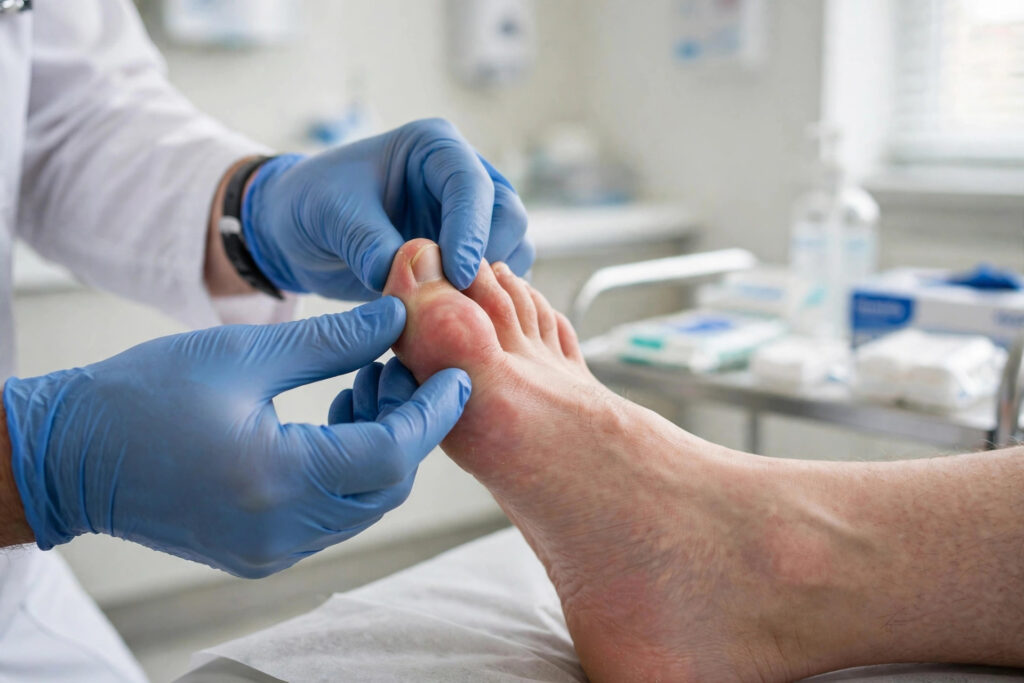
Gout is a painful form of arthritis that can strike without warning, often in the middle of the night. One moment you feel fine, and the next your big toe is swollen, red, and so tender that even a bedsheet hurts to touch. If that sounds familiar, you are not alone. Millions of people live with gout, and understanding it is the first step toward managing it.
According to the Mayo Clinic and the Arthritis Foundation, gout happens when uric acid builds up in the blood and forms sharp crystals in the joints. These crystals trigger sudden attacks of pain and swelling known as flares. The good news is that gout is one of the most treatable forms of arthritis when it is diagnosed and managed properly.
What Is Gout?
Gout is a type of inflammatory arthritis caused by high levels of uric acid in the blood, a condition called hyperuricemia. Uric acid is a waste product formed when your body breaks down purines, substances found naturally in your body and in certain foods such as red meat, organ meats, and seafood.
Normally, uric acid dissolves in the blood and leaves the body through urine. But when the body makes too much uric acid, or the kidneys cannot remove enough of it, crystals form in the joints.
Gout most often affects the joint at the base of the big toe, but it can also strike the ankles, knees, elbows, wrists, and fingers.
Signs and Symptoms of Gout
The main sign of gout is a sudden, severe attack of joint pain. The affected joint becomes swollen, red, warm, and extremely tender. Attacks often begin at night and may wake you from sleep.
Between attacks, you may feel completely normal. But as gout progresses, flares can become more frequent and last longer. Some people develop lumps of uric acid crystals under the skin, called tophi, usually around the ears, fingers, or toes. If gout is left untreated for years, it can cause lasting joint damage.
See a doctor promptly if you have sudden, intense joint pain with swelling and redness, especially if it comes with a fever.
Causes and Risk Factors
Several factors raise the risk of gout. A diet high in purine-rich foods, alcohol (especially beer), and sugary drinks can increase uric acid levels. Being overweight, having high blood pressure, diabetes, or kidney disease also raises the risk. Some medicines, such as diuretics, can contribute as well.
Men are more likely than women to develop gout, though the risk for women rises after menopause. Family history matters too. If a parent has gout, your chances of developing it are higher. Age also plays a role, as gout becomes more common after age 40.
How Gout Is Diagnosed
Doctors usually diagnose gout based on symptoms, a physical exam, and blood tests that measure uric acid levels. However, uric acid levels can be normal during a flare, so a blood test alone is not always enough.
The most reliable test is joint fluid analysis. A doctor uses a needle to take a small sample of fluid from the affected joint and looks for uric acid crystals under a microscope. Imaging tests such as X-rays or ultrasound may also be used to check for joint damage or crystal deposits.
How to Manage Gout
Managing gout has two parts: treating flares and preventing future ones. During a flare, doctors often prescribe anti-inflammatory medicines such as NSAIDs, colchicine, or corticosteroids. Resting the joint, applying ice, and drinking plenty of water also help.
For long-term control, doctors may prescribe medicines that lower uric acid levels, such as allopurinol or febuxostat. These are usually taken daily, even when you feel well. It is important to keep taking them as directed, because stopping can trigger new flares.
Diet changes make a real difference. Limit red meat, organ meats, shellfish, alcohol, and drinks sweetened with fructose. Eat more vegetables, whole grains, low-fat dairy, and cherries, which some studies link to fewer flares. Losing excess weight slowly and staying hydrated also help lower uric acid levels.
Living Well With Gout
Gout is a lifelong condition for many people, but it does not have to control your life. Keep a simple record of your flares, including what you ate or drank beforehand, to spot your personal triggers. Take medicines as prescribed and attend follow-up appointments, even when you feel fine.
Regular gentle exercise, such as walking or swimming, keeps joints flexible and helps with weight control. Avoid crash diets, which can temporarily raise uric acid levels. If you drink alcohol, cut back or avoid it during flares, and talk to your doctor about what level is safe for you.
Conclusion
Gout is a painful but manageable form of arthritis caused by uric acid crystals in the joints. Recognizing the signs early, getting a proper diagnosis, and following a treatment plan can prevent most flares and protect your joints. With the right medicines, a balanced diet, and healthy habits, most people with gout live full and active lives.
#Gout #Arthritis #JointPain #UricAcid #Inflammation #Health #Diet
