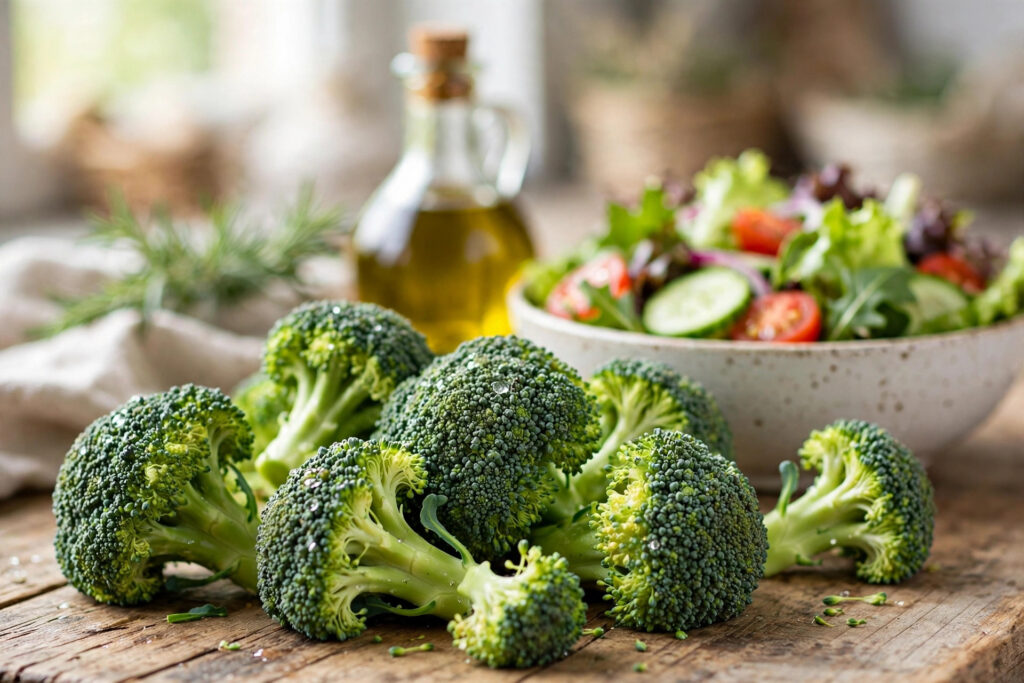
Broccoli has earned its place on the list of the world’s healthiest vegetables. It is cheap, easy to cook, and packed with vitamins, minerals, and plant compounds that scientists link to lower disease risk. But what actually happens when you eat broccoli every day? Is it safe, and does the science support the hype? This article looks at the nutrients in broccoli, the benefits research has found, and how to add it to your meals without getting bored.
What Is Inside Broccoli?
One cup of raw broccoli, about 91 grams, gives you roughly 30 calories, 2.5 grams of fiber, and more than 100 percent of your daily vitamin C needs. It also provides vitamin K, folate, potassium, and smaller amounts of vitamin A, calcium, and iron, according to the United States Department of Agriculture (USDA). Broccoli belongs to the cruciferous family, along with cauliflower, cabbage, and kale. What makes it special is sulforaphane, a plant compound formed when you chop or chew it. Researchers at Johns Hopkins University have studied sulforaphane for years and found that it activates the body’s own defense systems against damage from toxins and stress.
Support for Your Immune System
Vitamin C is one of the best-known nutrients for immunity, and broccoli is one of the richest sources. A single cup covers your daily need, helping your body make white blood cells and protect them from damage. Broccoli also contains vitamin A and zinc, both of which play roles in immune defense. Eating it regularly during cold season is a simple way to support your immune system.
Heart Health and Blood Pressure
Heart disease remains one of the leading causes of death worldwide, and diet is one of the strongest tools for prevention. Broccoli helps in several ways. Its fiber can lower LDL cholesterol, the type linked to clogged arteries. Its potassium helps control blood pressure by balancing the effects of sodium. Its antioxidants, including sulforaphane and kaempferol, reduce inflammation in blood vessels. A large review published in the journal Nutrients found that people who eat more cruciferous vegetables tend to have a lower risk of heart disease. Broccoli is not a medicine, but as part of a balanced diet it supports a healthy heart.
Cancer Prevention: What the Evidence Shows
The strongest research on broccoli concerns cancer risk. Studies have linked diets rich in cruciferous vegetables with lower rates of colorectal, lung, prostate, and breast cancer. Sulforaphane appears to help the body remove harmful substances and slow the growth of abnormal cells. The National Cancer Institute notes that laboratory and animal studies show promise, and population studies support the link, though more human trials are still needed. No food can guarantee protection from cancer, but eating broccoli daily is one of the most evidence-based food choices you can make.
Bones, Digestion, and Healthy Skin
Broccoli supports your bones with vitamin K and calcium, both needed for bone strength. Its fiber feeds the good bacteria in your gut and keeps digestion regular, which can reduce bloating and constipation. For skin, vitamin C helps your body produce collagen, the protein that keeps skin firm and helps wounds heal. The antioxidants in broccoli also protect skin cells from sun damage, though they are no replacement for sunscreen. Eating broccoli every day covers several body systems at once, which is why dietitians often call it a true superfood.
Is Eating Broccoli Every Day Safe?
For most people, yes. Broccoli is very safe in normal food amounts. Two things are worth knowing. First, it is high in vitamin K, which affects blood clotting, so people taking blood-thinning medicine such as warfarin should keep their vitamin K intake steady and talk to their doctor before making big changes. Second, broccoli can cause gas and bloating because it contains raffinose, a fiber that gut bacteria ferment. Cooking it well and eating it in moderate portions usually solves this. Light steaming for three to five minutes keeps most nutrients while making it easier to digest, and it preserves more vitamin C than long boiling.
Easy Ways to Eat It Daily
Add broccoli to stir-fries, pasta, soups, and omelets, or roast it with olive oil, garlic, and a pinch of salt until the edges crisp. Blend it into a green smoothie with fruit to hide the taste, or eat it raw with hummus as a snack. Frozen broccoli is just as nutritious as fresh and saves time on busy days. Aim for at least one cup a day, and pair it with other colorful vegetables so your diet stays varied. Small changes, repeated daily, add up to real health benefits.
Conclusion
Eating broccoli every day is a simple habit with strong science behind it. It supports immunity, heart health, digestion, bones, and skin, and research links it with a lower risk of several cancers. It is low in calories, rich in vitamin C and fiber, and safe for most people. Add a cup to your daily meals and cook it lightly.
#Broccoli #HealthyEating #VitaminC #CancerPrevention #Nutrition #Vegetables #Superfood
