Introduction
Online learning has transformed the educational landscape by making knowledge accessible to learners around the world. Advances in technology and internet connectivity have enabled students to study anytime and anywhere. While online education offers numerous benefits, it also presents several challenges that must be addressed to ensure effective learning experiences.
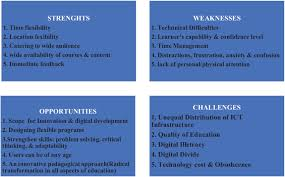
Opportunities of Online Learning
Accessibility
Online learning removes geographical barriers and allows students from different regions to access quality education. Learners can participate in courses offered by institutions worldwide.
Flexibility
Students can learn at their own pace and schedule, making it easier to balance education with work, family, and other responsibilities.
Cost-Effectiveness
Online courses often reduce expenses related to transportation, accommodation, and printed materials, making education more affordable.
Diverse Learning Resources
Digital platforms provide access to videos, interactive simulations, e-books, and discussion forums that enhance learning experiences.
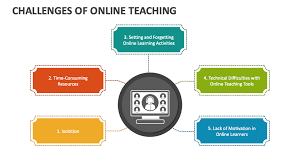
Challenges of Online Learning
Limited Social Interaction
Students may experience feelings of isolation due to reduced face-to-face communication with teachers and classmates.
Technical Issues
Internet connectivity problems, lack of devices, and software difficulties can disrupt learning.
Self-Discipline Requirements
Online learning requires strong time management and self-motivation skills. Some learners may struggle to stay focused and organized.
Digital Divide
Not all students have equal access to technology and reliable internet services, creating educational inequalities.
Conclusion
Online learning has revolutionized education by providing flexible and accessible learning opportunities. However, addressing challenges such as digital inequality and learner engagement is crucial for maximizing its benefits. With continued technological advancements, online education will remain an important component of modern learning.