Introduction
The world of work is changing rapidly due to technological advancements, globalization, and digital transformation. Many traditional jobs are evolving, while entirely new career opportunities are emerging. To succeed in the future workforce, individuals must develop a combination of technical, interpersonal, and adaptable skills. Preparing for future careers requires continuous learning and a willingness to embrace change.
The Changing Nature of Work
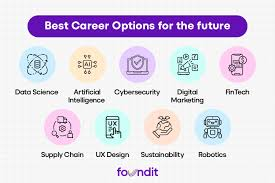
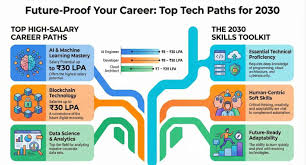
Automation, artificial intelligence, robotics, and digital technologies are transforming industries across the globe. As routine tasks become automated, employers increasingly seek workers who can solve problems, think creatively, and adapt to new situations. Future careers will demand skills that complement technology rather than compete with it.
Essential Skills for Future Careers
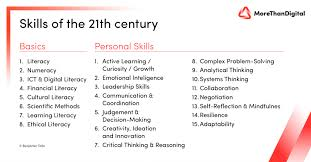
1. Digital Literacy
Digital literacy is the ability to use technology effectively and responsibly. Employees must be comfortable working with digital tools, online platforms, and data-driven systems in various professional settings.
2. Critical Thinking and Problem-Solving
Employers value individuals who can analyze information, evaluate options, and develop effective solutions to complex challenges. Critical thinking helps employees make informed decisions in dynamic environments.
3. Communication Skills
Strong verbal and written communication skills are essential for collaboration, leadership, and professional success. Effective communication helps individuals share ideas clearly and work efficiently with diverse teams.
4. Creativity and Innovation
As automation handles routine tasks, human creativity becomes increasingly valuable. Innovative thinking enables individuals to develop new products, services, and solutions that drive progress.
5. Adaptability and Flexibility
The future workplace will continue to evolve. Employees must be willing to learn new skills, embrace technological changes, and adapt to shifting job requirements.
6. Emotional Intelligence
Emotional intelligence involves understanding and managing emotions while building positive relationships with others. This skill supports teamwork, leadership, and conflict resolution.
7. Leadership and Collaboration
Organizations need individuals who can work effectively in teams and inspire others. Leadership skills help professionals guide projects and contribute to organizational success.
The Importance of Lifelong Learning
Continuous learning is becoming essential in a rapidly changing world. Professional development programs, online courses, certifications, and higher education opportunities help individuals remain competitive in the job market.
Conclusion
Future careers will require a blend of technical knowledge, critical thinking, creativity, and interpersonal skills. By developing these competencies and embracing lifelong learning, individuals can successfully navigate the challenges and opportunities of the modern workforce.