Introduction
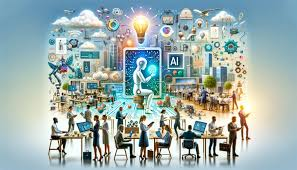
Artificial Intelligence (AI) is transforming workplaces across the globe. From automating routine tasks to supporting complex decision-making, AI is reshaping how businesses operate and how employees perform their jobs. In 2026, organizations are increasingly focusing on practical AI applications that improve productivity and efficiency. AI is moving beyond simple assistance and becoming an active collaborator in many professional environments.
Opportunities Created by AI
AI can automate repetitive tasks, allowing employees to focus on creativity, innovation, and strategic thinking. Businesses benefit from improved efficiency, reduced costs, and faster decision-making. New careers in AI development, data science, cybersecurity, and digital transformation are also emerging.
Challenges and Concerns
The growing use of AI raises concerns about job displacement, skill gaps, and ethical issues. Workers must adapt to changing job requirements and continuously update their skills to remain competitive in the labor market.
Preparing for the Future
Educational institutions and organizations should prioritize AI literacy, critical thinking, and problem-solving skills. Lifelong learning will become essential as technology continues to evolve.
Conclusion
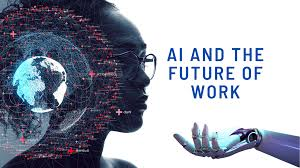
AI is not replacing human potential; it is transforming how work is performed. By embracing innovation and continuous learning, individuals and organizations can thrive in the AI-powered future.