Introduction
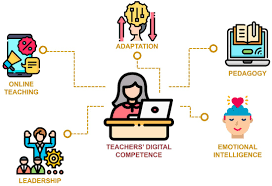
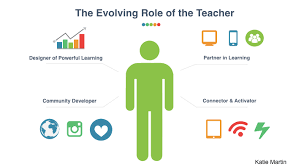
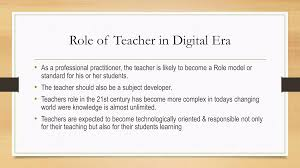
The digital revolution has transformed nearly every aspect of society, including education. With the widespread use of computers, smartphones, online learning platforms, and artificial intelligence, the role of teachers has evolved significantly. In the digital era, teachers are no longer merely providers of information; they serve as facilitators, mentors, and guides who help students navigate an increasingly complex learning environment.
Changing Responsibilities of Teachers
Traditionally, teachers focused on delivering knowledge through lectures and textbooks. Today, students have access to vast amounts of information through the internet. As a result, teachers play a crucial role in helping learners evaluate information, think critically, and use technology responsibly.
Integrating Technology into Learning
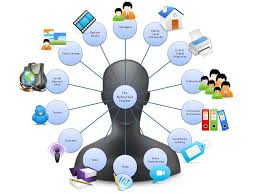
Modern teachers use digital tools such as online learning platforms, virtual classrooms, educational applications, and multimedia resources to enhance learning experiences. These technologies make education more interactive, engaging, and accessible.
Supporting Personalized Learning
Technology enables teachers to address the unique needs of individual students. By using digital assessments and learning analytics, educators can identify strengths and weaknesses and provide customized support.
Developing Digital Citizenship
Teachers help students become responsible digital citizens by promoting ethical technology use, online safety, and respect for intellectual property. These skills are essential in today’s interconnected world.
Challenges Faced by Teachers
Despite technological advancements, teachers face challenges such as adapting to new technologies, managing online classrooms, and ensuring equal access to digital resources for all students.
Conclusion
Teachers remain at the heart of education in the digital era. By embracing technology and fostering critical thinking, creativity, and responsible digital behavior, educators can prepare students for success in a rapidly changing world.