Introduction
The Information Age has provided unprecedented access to knowledge through the internet, social media, and digital communication platforms. While information is readily available, not all of it is accurate, reliable, or trustworthy. In this environment, critical thinking has become an essential skill that enables individuals to analyze information, evaluate evidence, and make informed decisions.
Understanding Critical Thinking
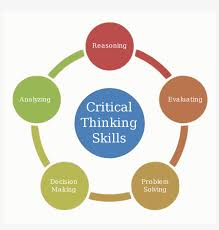
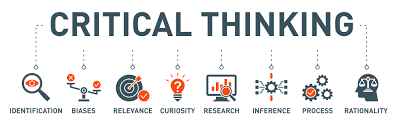
Critical thinking is the ability to objectively examine information, identify assumptions, assess arguments, and draw logical conclusions. It involves questioning sources, considering multiple perspectives, and avoiding misinformation.
Importance in Modern Society
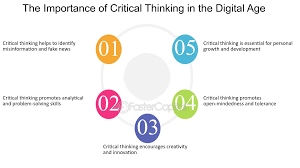
In today’s digital world, individuals encounter vast amounts of information daily. Critical thinking helps people distinguish between facts and opinions, identify bias, and evaluate the credibility of sources.
Benefits of Critical Thinking
Better Decision-Making
Critical thinkers analyze available evidence before making decisions, leading to more effective outcomes.
Problem-Solving Skills
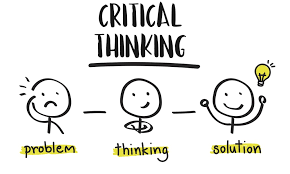
The ability to think critically helps individuals identify solutions to complex challenges in education, business, and everyday life.
Academic Success
Students who develop critical thinking skills perform better in research, analysis, and independent learning.
Responsible Citizenship
Critical thinking enables citizens to evaluate social, political, and economic issues more effectively.
Challenges in the Information Age
The spread of misinformation, fake news, and biased content presents significant challenges. Social media algorithms may also reinforce existing beliefs rather than encourage balanced perspectives.
Promoting Critical Thinking
Educational institutions should encourage inquiry-based learning, debates, research projects, and media literacy programs to strengthen critical thinking skills.
Conclusion
Critical thinking is one of the most valuable skills in the Information Age. It empowers individuals to navigate complex information environments, make informed decisions, and contribute positively to society.