Introduction
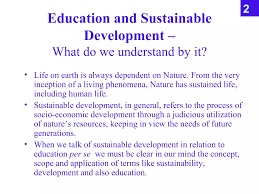
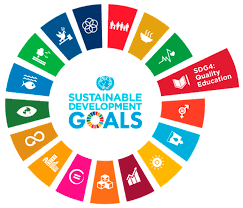
Sustainable development aims to meet the needs of the present without compromising the ability of future generations to meet their own needs. Education plays a vital role in achieving this goal by equipping individuals with the knowledge, skills, values, and attitudes necessary to build a more sustainable world. Education for Sustainable Development (ESD) empowers learners to address environmental, social, and economic challenges responsibly.
Understanding Education for Sustainable Development
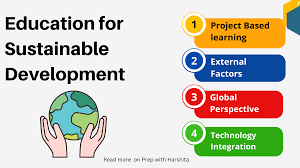
ESD integrates sustainability principles into teaching and learning processes. It encourages students to understand global issues such as climate change, poverty, inequality, biodiversity loss, and resource management.
Key Objectives of ESD
Promoting Environmental Awareness
Students learn about environmental protection, conservation, and sustainable use of natural resources.
Encouraging Responsible Citizenship
ESD develops responsible citizens who understand the consequences of their actions and contribute positively to society.
Supporting Economic Sustainability
Learners gain knowledge about sustainable economic practices that balance growth with environmental protection.
Fostering Social Equity
Education promotes inclusivity, equality, and respect for cultural diversity.
Benefits of Education for Sustainable Development
- Enhances critical thinking and problem-solving skills.
- Encourages environmental stewardship.
- Supports community development.
- Promotes sustainable lifestyles.
- Prepares future leaders to address global challenges.
Challenges
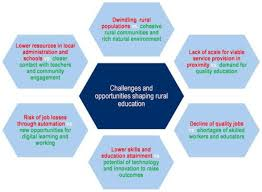
Implementing ESD requires curriculum reforms, teacher training, adequate resources, and strong institutional support. Many educational systems still face difficulties integrating sustainability concepts effectively.
The Future of Sustainable Education
As global challenges become more complex, ESD will play an increasingly important role in shaping responsible and informed citizens. Educational institutions must continue integrating sustainability into all levels of learning.
Conclusion
Education for Sustainable Development is essential for creating a sustainable future. By empowering learners with knowledge, values, and practical skills, education can help address global challenges and promote a more equitable, prosperous, and environmentally responsible world.