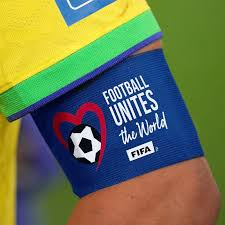
Football is often called the world’s most popular sport, and at the heart of its global success is FIFA (Fédération Internationale de Football Association). As the international governing body of football, FIFA plays a crucial role in organizing competitions, developing the sport, and bringing together millions of players and billions of fans from every corner of the globe.
What Is FIFA?
Founded in 1904, FIFA is responsible for governing international football and promoting the growth of the sport worldwide. Today, it works with 211 member associations, making it one of the largest international sports organizations. FIFA oversees football at every level—from grassroots development to the world’s biggest tournaments.
FIFA’s Mission
FIFA’s primary mission is to develop football globally while promoting fair play, integrity, inclusion, and respect. The organization invests in youth programs, coaching education, women’s football, referee development, and football infrastructure to help the sport grow in every region of the world.
The FIFA World Cup
The FIFA World Cup is the most prestigious football tournament on the planet. Held every four years, it brings together the best national teams to compete for the ultimate prize in football.
The tournament has produced unforgettable moments, legendary players, and historic matches that continue to inspire generations of football fans. Beyond the competition itself, the World Cup promotes cultural exchange, tourism, and international unity.
Women’s Football
FIFA has made significant investments in women’s football through international competitions, youth tournaments, and development programs. The FIFA Women’s World Cup continues to grow in popularity, attracting larger audiences and encouraging greater participation by women and girls worldwide.
Developing Football Worldwide
FIFA supports member associations through funding, training, and development initiatives. These programs help improve football facilities, organize youth leagues, educate coaches and referees, and create opportunities for talented players regardless of their background.
By investing in grassroots football, FIFA aims to ensure the sport remains accessible to everyone.
Technology in Modern Football
Football has embraced technology to improve fairness and accuracy. FIFA has introduced innovations such as:
- Video Assistant Referee (VAR)
- Goal-Line Technology
- Semi-Automated Offside Technology
- Advanced player and match analytics
These technologies help officials make more accurate decisions while maintaining the integrity of the game.
Football’s Global Impact
Football is more than just a sport—it is a universal language that connects people across cultures and nations. FIFA tournaments inspire young athletes, promote teamwork, encourage healthy lifestyles, and bring communities together through shared passion.
Major FIFA events also create economic opportunities by generating tourism, creating jobs, and supporting local businesses in host countries.
Challenges and Future Goals
As football continues to grow, FIFA faces challenges such as ensuring fair governance, improving player welfare, expanding access to football, and making tournaments more sustainable. The organization continues to evolve while seeking to balance the sport’s growth with the needs of players, fans, and member associations.
Conclusion
FIFA has played a central role in shaping modern football for more than a century. Through its international tournaments, development programs, and commitment to growing the game, it continues to inspire millions of players and fans around the world. As football evolves, FIFA remains a key force in promoting competition, unity, and the global spirit of the beautiful game.