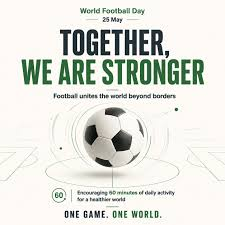
Football is often referred to as “the beautiful game,” and for good reason. It is the most popular sport in the world, played and watched by billions of people across every continent. Beyond the excitement of goals, trophies, and rivalries, football represents unity, perseverance, teamwork, and hope. It has the unique ability to bring people together regardless of nationality, language, culture, or background.
A Sport for Everyone
One of football’s greatest strengths is its accessibility. Unlike many other sports, football requires minimal equipment—a ball and an open space are often enough to begin playing. This simplicity has made it a favorite pastime for children and adults alike, from busy cities to remote villages.
Whether played professionally in packed stadiums or casually in neighborhood parks, football creates opportunities for people to stay active, socialize, and develop valuable life skills.
Building Character Through Football
Football teaches lessons that extend far beyond the pitch. Players learn the importance of discipline, dedication, patience, and resilience. Every match requires teamwork, communication, and trust, helping individuals understand the value of working toward a common goal.
Winning teaches confidence and humility, while losing teaches perseverance and the determination to improve. These qualities benefit players in school, work, and everyday life.
The Role of Coaches and Mentors
Behind every successful football team is a dedicated coach who inspires, motivates, and guides players. Coaches not only improve technical skills but also help athletes develop leadership, respect, and sportsmanship.
Young players especially benefit from positive mentors who encourage hard work, fair play, and personal growth.
Football and Community Development
Football has the power to strengthen communities. Local clubs create safe environments where young people can learn, compete, and build friendships. Community tournaments encourage participation, foster local pride, and promote healthy lifestyles.
Many charitable organizations also use football as a tool to support education, promote peace, and empower disadvantaged communities around the world.
The Importance of Fitness
Football is one of the best sports for maintaining physical health. It improves cardiovascular endurance, strengthens muscles, enhances coordination, and increases flexibility. Regular participation also reduces stress, boosts confidence, and supports mental well-being.
For children and teenagers, football encourages an active lifestyle that can lead to healthier habits throughout adulthood.
The Evolution of Modern Football
Football continues to evolve with advances in sports science, nutrition, coaching techniques, and technology. Performance analysis, wearable fitness trackers, and improved training methods allow athletes to reach higher levels of performance while reducing the risk of injury.
At the same time, digital media and live broadcasting have made football more accessible than ever, allowing fans to follow their favorite teams and players from anywhere in the world.
Inspiring Future Generations
Every generation has football heroes who inspire young players to dream big. Their dedication, professionalism, and achievements encourage children to believe that hard work and determination can turn dreams into reality.
Grassroots football programs continue to provide opportunities for future stars while promoting inclusivity, equality, and lifelong participation in sport.
Conclusion
Football is much more than a competition—it is a universal language that connects people across borders and cultures. It promotes health, teamwork, discipline, and friendship while creating unforgettable memories for players and fans alike. As the game continues to grow, its ability to inspire, unite, and transform lives remains stronger than ever. Football truly is a sport that belongs to the world.