Introduction
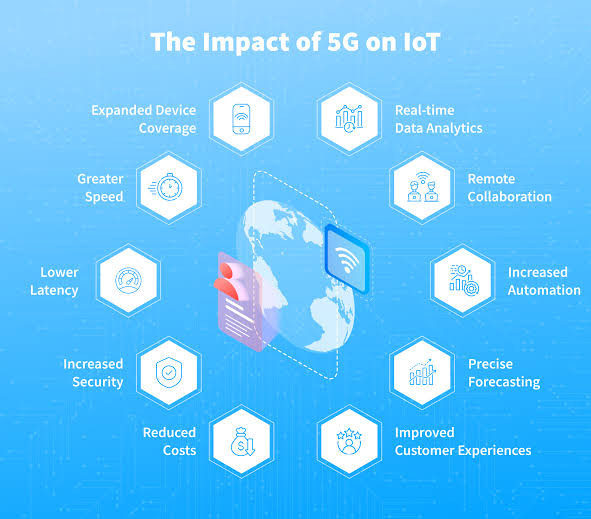
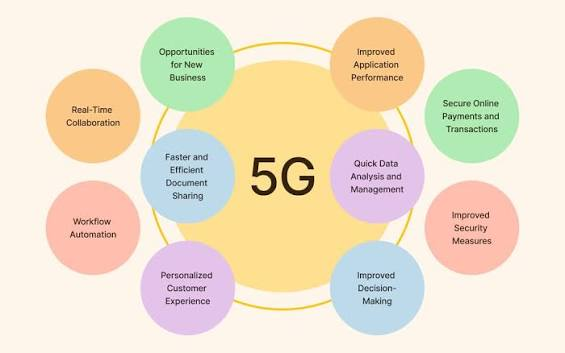
The introduction of 5G technology marks a significant milestone in the evolution of wireless communication. As the fifth generation of mobile networks, 5G offers faster internet speeds, lower latency, and greater connectivity than previous generations. It is transforming the way people communicate, work, learn, and access digital services.
What Is 5G Technology?
5G is the latest generation of wireless communication technology designed to deliver high-speed internet and support billions of connected devices. It enables faster downloads, smoother video streaming, and more reliable network performance.
Key Features of 5G
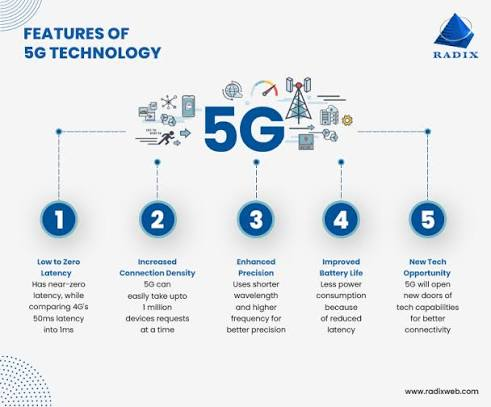
1. Ultra-Fast Internet Speed
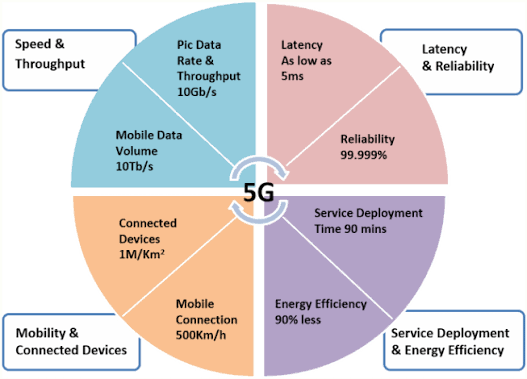
5G provides download and upload speeds that are many times faster than 4G, allowing users to stream high-quality videos and download large files within seconds.
2. Low Latency
Latency refers to the delay in data transmission. 5G significantly reduces this delay, making real-time applications such as online gaming, remote surgery, and autonomous vehicles more effective.
3. Massive Device Connectivity
5G can support millions of connected devices simultaneously, making it ideal for smart cities and the Internet of Things (IoT).
Benefits of 5G Technology
Improved Healthcare
Doctors can perform remote consultations and even assist in surgeries using high-speed, low-latency connections.
Better Education
Students can participate in virtual classrooms, interactive learning, and augmented reality experiences with minimal interruptions.
Smart Cities
5G supports intelligent traffic systems, smart energy grids, and efficient public services, improving urban living.
Industrial Growth
Factories can automate production using connected machines, improving productivity and reducing operational costs.
Enhanced Entertainment
Users enjoy smoother video streaming, cloud gaming, virtual reality (VR), and augmented reality (AR) experiences.
Challenges of 5G
Although 5G offers numerous benefits, it also faces challenges such as high infrastructure costs, limited coverage in rural areas, cybersecurity concerns, and the need for compatible devices.
The Future of 5G
As 5G networks continue to expand, they will enable innovations such as autonomous transportation, advanced artificial intelligence, smart agriculture, and fully connected digital ecosystems. The technology will serve as the foundation for future innovations worldwide.
Conclusion
5G technology is revolutionizing communication by delivering faster, more reliable, and more efficient connectivity. Its impact extends far beyond mobile phones, influencing healthcare, education, business, manufacturing, and entertainment. As adoption continues to grow, 5G will become one of the most important technologies shaping the future.