Introduction
Digital payments have transformed the way people buy goods, pay bills, and transfer money. From mobile wallets and QR codes to online banking and contactless cards, technology has made financial transactions faster, easier, and more secure. As the world continues to embrace digital innovation, the future of digital payments promises even greater convenience and efficiency.
What Are Digital Payments?
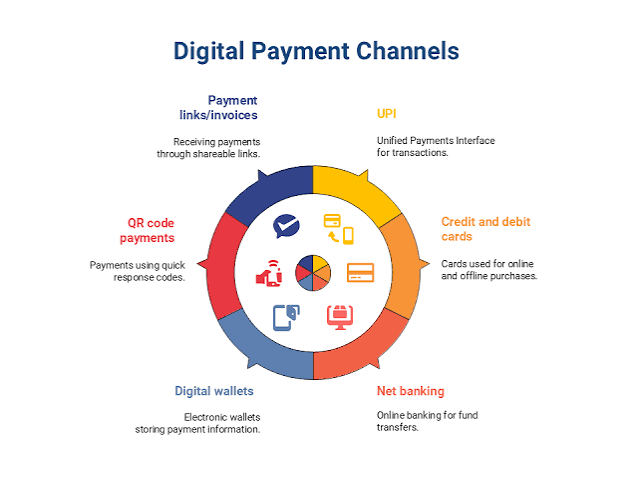
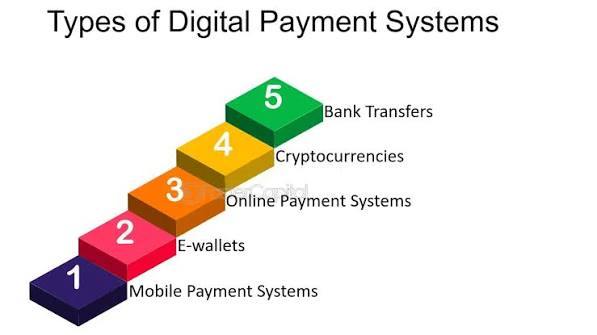
Digital payments are financial transactions made electronically without using physical cash. They include credit and debit card payments, mobile payment apps, online banking, digital wallets, and cryptocurrency transactions.
Emerging Trends in Digital Payments
1. Contactless Payments
Contactless technology allows users to pay simply by tapping their card or smartphone. This method is becoming increasingly popular because it is quick, secure, and convenient.
2. Mobile Wallets
Applications such as Apple Pay, Google Pay, and Samsung Pay enable users to make purchases directly from their smartphones, reducing the need to carry physical wallets.
3. Artificial Intelligence in Banking
AI is improving payment security by detecting fraudulent transactions in real time. It also helps banks provide personalized financial services and faster customer support.
4. Biometric Authentication
Future payment systems will rely more on fingerprint scanning, facial recognition, and voice authentication, making transactions both secure and user-friendly.
5. Blockchain Technology
Blockchain provides transparent and secure transaction records, reducing fraud and improving trust in digital financial systems.
Benefits of Digital Payments
- Faster and more convenient transactions
- Improved security and fraud prevention
- Easy online shopping and bill payments
- Better financial record management
- Reduced dependence on physical cash
- Increased financial inclusion for remote communities
Challenges Ahead
Despite many advantages, digital payments face several challenges:
- Cybersecurity threats
- Online fraud and scams
- Privacy concerns
- Internet connectivity issues
- Digital literacy gaps in developing countries
Governments and financial institutions must continue investing in security and public awareness to overcome these challenges.
The Future Outlook
The future of digital payments will likely include cashless societies, AI-powered banking, central bank digital currencies (CBDCs), and seamless international transactions. As technology advances, digital payments will become even faster, safer, and more accessible for everyone.
Conclusion
Digital payments are shaping the future of global commerce. With continuous technological advancements, electronic transactions will become more secure, efficient, and widely available. Embracing digital payment systems responsibly can improve economic growth, financial inclusion, and everyday convenience.