Introduction
Water is the foundation of life. Every cell, tissue, and organ in the human body depends on water to function properly. Despite its importance, many people do not drink enough water each day, leading to dehydration, fatigue, poor concentration, and other health problems. Staying properly hydrated is one of the simplest yet most effective ways to maintain overall health and well-being.
Why Water Is Essential
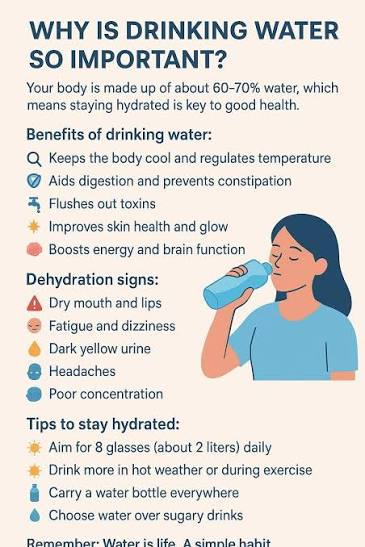
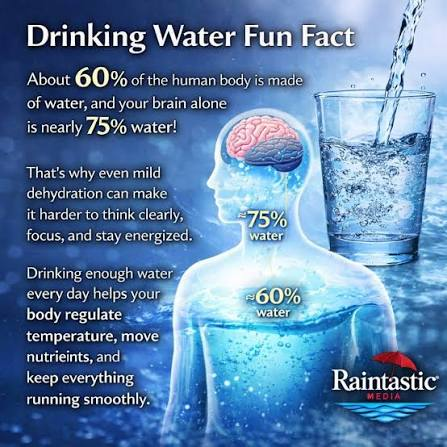
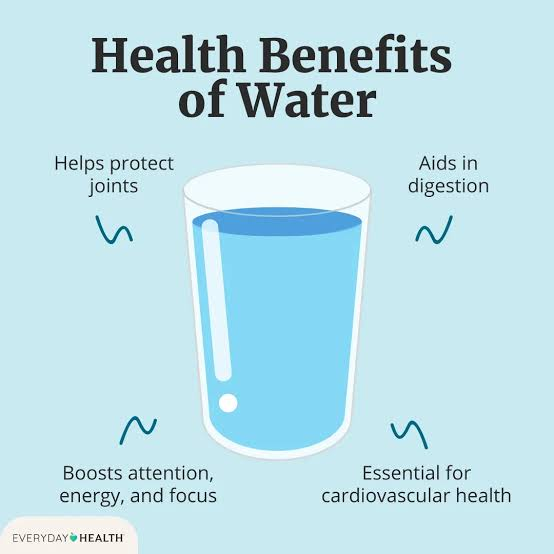
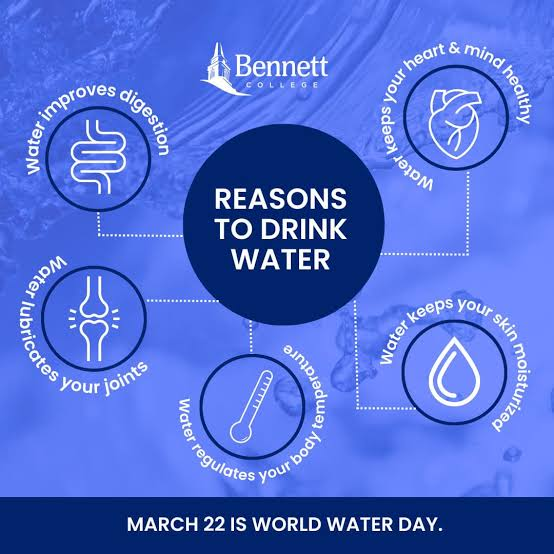
The human body is made up of approximately 60% water. Water plays a critical role in almost every bodily function, including:
- Regulating body temperature
- Transporting nutrients and oxygen
- Removing waste products
- Supporting digestion
- Lubricating joints
- Maintaining healthy skin
- Protecting organs
- Supporting brain function
Without adequate water intake, the body cannot perform these functions efficiently.
Health Benefits of Drinking Enough Water
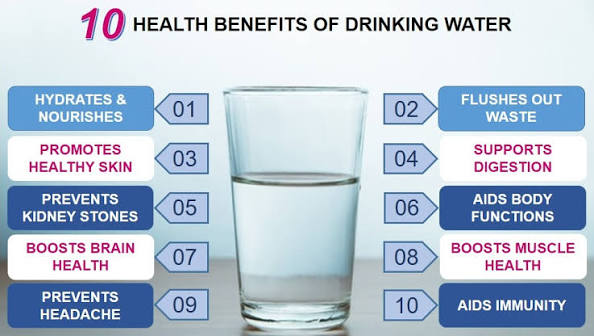
1. Improves Physical Performance
Proper hydration helps muscles function efficiently during exercise and reduces fatigue.
2. Supports Brain Function
Even mild dehydration can affect concentration, memory, and mood. Drinking enough water helps maintain mental clarity.
3. Aids Digestion
Water assists in breaking down food and helps prevent constipation by supporting healthy bowel movements.
4. Promotes Healthy Skin
Hydration keeps skin moisturized, improving its appearance and elasticity.
5. Helps Maintain a Healthy Weight
Drinking water before meals can increase feelings of fullness and reduce unnecessary calorie intake.
6. Protects Kidney Health
Adequate water intake helps the kidneys filter waste effectively and reduces the risk of kidney stones.
7. Regulates Body Temperature
Sweating and evaporation help cool the body during physical activity or hot weather.
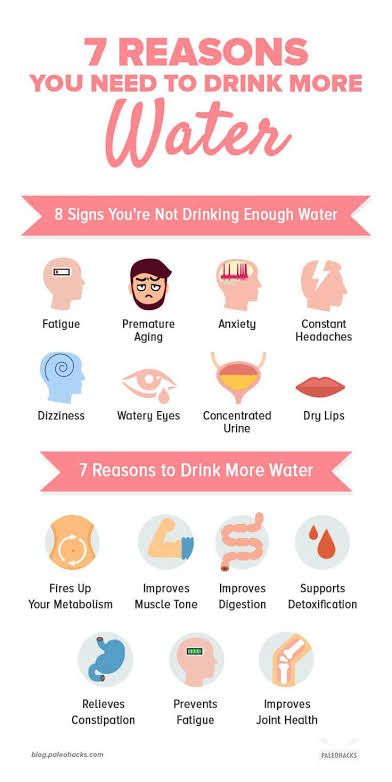
Signs of Dehydration
Common symptoms include:
- Dry mouth
- Headaches
- Fatigue
- Dizziness
- Dark-colored urine
- Difficulty concentrating
- Muscle cramps
Severe dehydration requires immediate medical attention.
How Much Water Should You Drink?
Daily water needs vary depending on age, activity level, weather, and overall health. A common recommendation is:
- Around 2–3 liters per day for many adults.
- More during exercise or hot weather.
- Additional fluids during illness or pregnancy, as advised by healthcare professionals.
Listening to your body’s thirst signals and maintaining pale yellow urine are practical indicators of good hydration.
Tips to Drink More Water
- Carry a reusable water bottle.
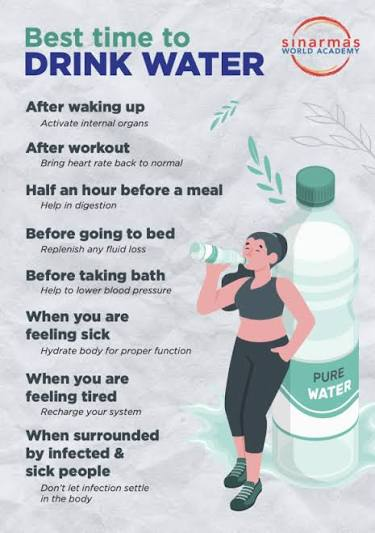
- Drink a glass of water after waking up.
- Drink water before meals.
- Eat water-rich fruits and vegetables.
- Set reminders on your phone.
- Replace sugary drinks with water.
- Keep water easily accessible throughout the day.
Common Myths About Water
Myth 1: Only drink when thirsty.
Thirst is helpful, but by the time you feel thirsty, you may already be mildly dehydrated.
Myth 2: Coffee and tea completely dehydrate you.
Although they contain caffeine, they still contribute to your daily fluid intake for most people.
Myth 3: More water is always better.
Excessive water consumption in a short period can be harmful. Balance is important.
Conclusion
Drinking enough water is one of the easiest and most affordable ways to improve your health. Proper hydration supports every major body system, boosts physical and mental performance, and helps prevent numerous health problems. Making water a regular part of your daily routine can lead to lasting improvements in your overall well-being and quality of life.